Health Warning Issued for Spain Holidaymakers as Two Illnesses Skyrocket to Record Highs
By Natascha Rivera • Updated: 27 May 2026 • 18:13 • 2 minutes read
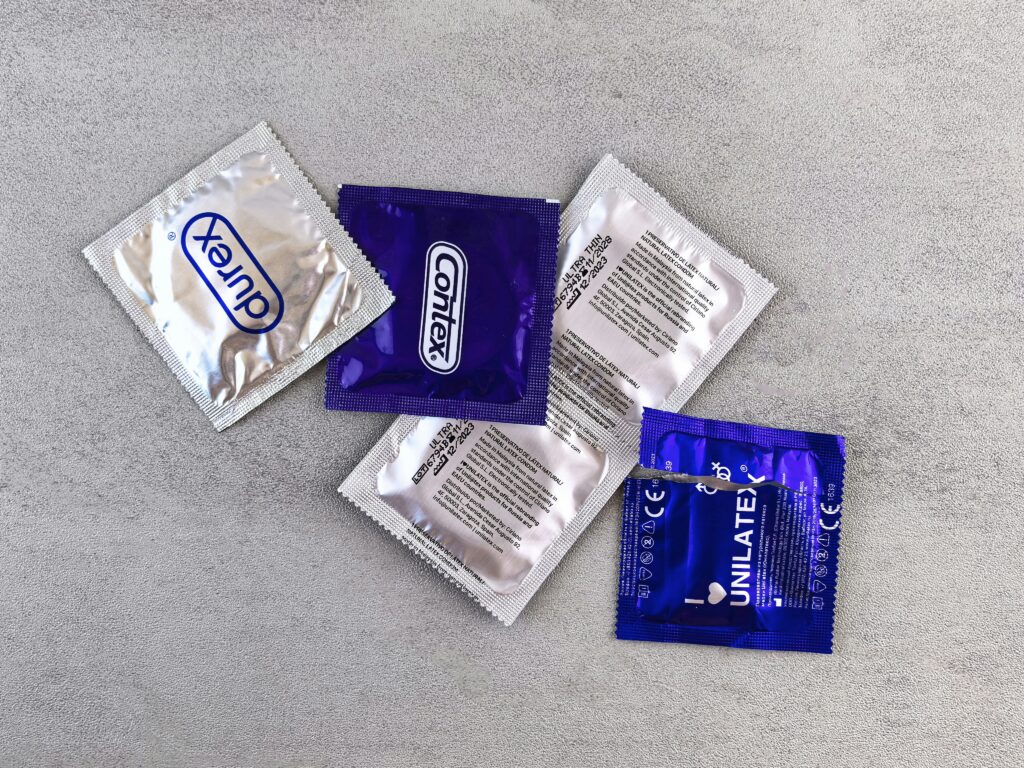
STI cases surge in Spain. Photo Credit: Andrey Matveev / Unsplash
According to the European Centre for Disease Prevention and Control (ECDC), two illnesses have spiked across Europe in recent years, with the number of cases in Spain skyrocketing. Sexually transmitted infections gonorrhoea and syphilis have reached record high levels, with Spain experiencing the highest spike in cases.
Gonorrhoea and syphilis cases at an all-time high
New data published by the ECDC shows that in 2024, gonorrhoea cases numbered 106,331, representing a 303 per cent increase since 2015, while the number of syphilis cases more than doubled in the same period to 45,557. According to the health agency, the spike was caused by an increasing lack of testing and prevention.
According to the ECDC, men who had sex with men were the most disproportionately affected group, showing the steepest long-term rises in gonorrhoea and syphilis. Heterosexual women of reproductive age also saw large increases in syphilis.
Putting a spanner in the works for the Spain summer romance plans?
Spain ranks as Europe’s hotspot for the two sexually transmitted infections, with 37,169 gonorrhoea cases and 11,556 syphilis cases reported in 2024.
One of the main reasons that these two illnesses have spread so quickly is because many people may not be aware they are infected, even though the illness is already transmissible. Gonorrhoea often presents no symptoms at all, particularly in women, where up to half of all cases are asymptomatic.
Syphilis, on the other hand, often primarily presents as a single sore, but since it is usually painless and can be hidden inside the body (inside the vagina or rectum, for instance), many people never notice it.
Another reason for the spike is the increase in holiday activity; alcohol, spontaneity, and a partying mindset can lead to the lowering of inhibitions, leading to riskier sexual behaviour.
When to get tested: Recognising the symptoms of gonorrhoea and syphilis
While gonorrhoea often presents as asymptomatic at first, it is a smart idea to get tested if you experience any of the following symptoms:
For men:
- Discharge
- A sharp, burning, or painful sensation when urinating
- Testicular discomfort, pain, or swelling
- Urethral irritation
For women:
- Altered discharge
- Painful urination
- Irregular bleeding or spotting, especially between menstrual cycles or after sexual intercourse
- Pelvic pain
The symptoms for syphilis include:
Primary stage:
- One or multiple small, firm, and round sores
Secondary stage:
- A non-itchy, reddish-brown rash, often appearing on the palms of the hands or soles of the feet
- Sores and growths
- Flu-like symptoms
Latent stage:
- During this phase, there are no visible signs or symptoms, though the bacteria can still be detected during blood tests
Tertiary stage:
(If left untreated, syphilis can advance to this stage even decades after the initial infection.)
- Organ damage
- Difficulty coordinating muscle movements
- Paralysis
- Numbness
- Dementia
- Aneurysms
- Blindness
It is best to get tested for STIs or STDs if you are experiencing any of the above symptoms, have had unprotected sex, or have reason to believe the condom was broken or damaged.
How to prevent the spread of gonorrhoea and syphilis
Whether on holiday in Spain or simply getting to know someone new in your home country, there are a couple of things people can do to help prevent the spread of these two illnesses and keep themselves safe:
- Use a condom. Condoms are the only form of contraception that protect against both pregnancy and STIs.
- Avoid handling condoms after using sun creams or tanning oils. Oils can break down the latex in the condoms and lead to breakage.
- Avoid leaving condoms in a hot car.
- Get tested if you experience any symptoms and encourage your partner to do the same.
Follow Euro Weekly News on Google News
Get breaking news from Spain, travel updates, and expat stories directly on your Google News feed.
Follow on Google NewsSign up for personalised news
Subscribe to our Euro Weekly News alerts to get the latest stories into your inbox!
By signing up, you will create a Euro Weekly News account if you don't already have one. Review our Privacy Policy for more information about our privacy practices.





Natascha Rivera
Natascha is a Dominican writer based in Spain with a background in audiovisual and marketing communication. A lifelong reader and passionate storyteller, she brings a creative edge to her work at Euro Weekly News. Her multicultural perspective informs her coverage of lifestyle and community stories, offering fresh angles and relatable storytelling that connects with a diverse audience.
Comments