Fewer babies, fewer migrants: why Britain faces a population squeeze
By Elli Freeman • Published: 28 May 2026 • 18:00 • 2 minutes read
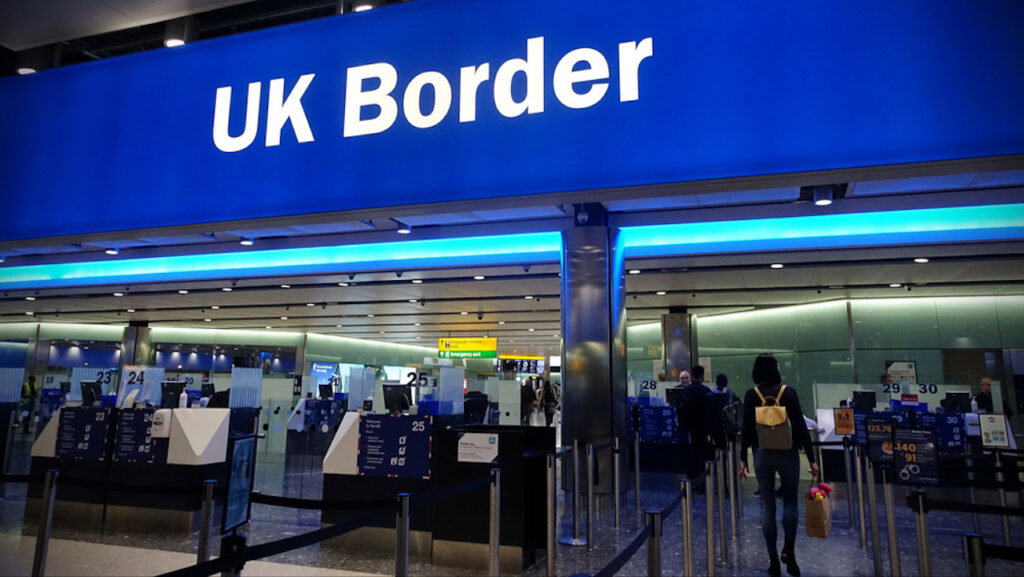
UK's net migration falls to lowest levels since 2012 Credit: Shutterstock, 1000 Words
UK net migration fell to 171,000 in 2025, its lowest level since 2012. The ONS estimates 813,000 people immigrated to the UK, while 642,000 people moved away. The sharp decline follows tighter visa rules introduced by the government, including restrictions on overseas care workers bringing dependants and higher salary thresholds for skilled worker visas.
Experts anticipate the decrease in net migration to be temporary as lower immigration tends to lead to lower emigration. Many migrants who arrive for work or study later leave the country, meaning today’s lower immigration figures could eventually reduce the number of people departing the UK in future years.
Economic impact of lower UK migration
Despite migration being a point of contention in recent years, lower net migration is not wholly positive. Experts suggest the UK economy would shrink by 3.6 per cent by 2040 if it fell to zero. A smaller population reflects a smaller workforce which would prompt higher taxes to bridge the budget deficit.
The economic impact of a 2025’s lower net migration is yet unknown as it depends largely on who is or isn´t migrating. Asylum seekers, for example, have low employment rate and therefore depend on more financial assistance from the government. But less migration could also dissuade foreign businesses from working in the UK and ultimately contributing to the system.
The ONS noted a 47 drop in non-EU national arriving to the UK for “work related reasons”, which significantly impacted the final figures. At the same time, international student arrivals also declined following stricter visa regulations.
England fertility rate hits record low.
England is also currently facing a low fertility rate. Data from ONS shows that the fertility rate across England and Wales dropped to record lows of 1.39 children per woman in 2025, down from 1.41 in 2024. Experts attribute the decline to rising living costs, expensive childcare, housing insecurity, and people choosing to have children later in life.
Notably, a third of babies were born to foreign-born mothers, underlining the role migration plays in maintaining population growth. Without migration, the UK population would age more rapidly and could eventually begin to decline as deaths outnumber births.
If the country wishes to maintain a stable population without migration, the fertility rate would need to raise to at least 2.1. However, achieving such a figure would be extremely difficult given current economic conditions and changing social attitudes towards family life.
Future outlook for UK population growth
While the political debate surrounding immigration is unlikely to disappear, experts argue that migration remains closely tied to the UK’s long-term economic stability and demographic balance. The government may welcome lower headline migration figures in the short term, but sustained declines could create labour shortages in sectors already struggling to recruit workers, including healthcare, construction, and hospitality.
The long-term effects of 2025’s migration decline will therefore depend not only on the number of people entering the UK, but also on the skills, age, and economic contribution of those who choose to come or leave.
Follow Euro Weekly News on Google News
Get breaking news from Spain, travel updates, and expat stories directly on your Google News feed.
Follow on Google NewsSign up for personalised news
Subscribe to our Euro Weekly News alerts to get the latest stories into your inbox!
By signing up, you will create a Euro Weekly News account if you don't already have one. Review our Privacy Policy for more information about our privacy practices.




Elli Freeman
Originally from the UK, Elli has lived in Spain for more than half of her life. She holds a B.A in English Literature and Creative Writing. Before joining the Euro Weekly News team, Elli was an avid traveller, with a keen interest in exploring new cultures.
Comments