Some homeowners in Spain could see their IBI bill rise by up to 150%
By Farah Mokrani • Published: 30 May 2026 • 21:27 • 3 minutes read
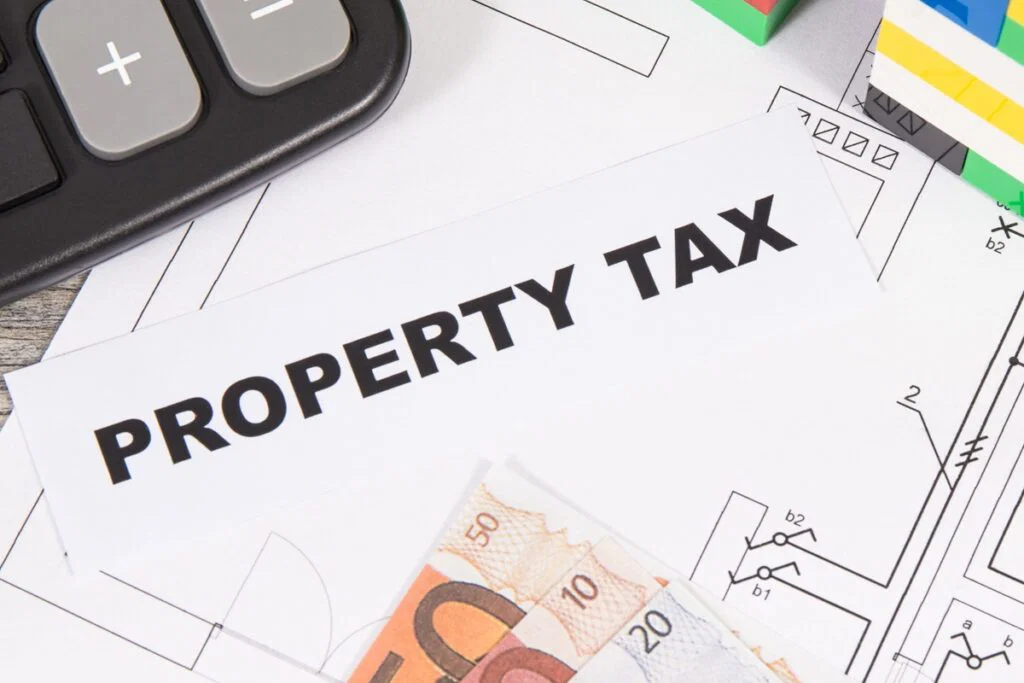
Some homeowners could face higher IBI bills under rules targeting long term vacant properties. Credit : ratmaner, Shutterstock
A headline saying your annual property tax could rise by 150 per cent is enough to make any homeowner stop scrolling.
That is exactly why Spain’s empty home surcharge is attracting renewed attention.
Under the Housing Law, local councils can apply an additional charge to IBI, Spain’s property tax, on certain homes that remain empty for long periods. In the most extreme cases, the surcharge can reach 150 per cent of the standard tax bill.
For many property owners, especially those with a holiday home, the immediate concern is whether their own property could be affected.
The answer depends on several factors because the measure does not apply automatically to every empty home and it does not automatically apply to every second residence.
Why some empty properties could face much higher IBI bills
The surcharge was introduced as part of Spain’s Housing Law and is intended to encourage long term vacant homes to return to the housing market.
However, the legal requirements are more restrictive than many people realise.
For a property to be considered permanently vacant, it generally must have remained unoccupied for more than two years without a justified reason.
There is another condition that often gets overlooked. The owner must hold four or more residential properties.
This means the measure is not aimed at someone who simply owns a holiday apartment or inherited a second property from a family member.
Even when those conditions are met, the surcharge cannot be applied automatically.
Each local council must first approve the measure through its own municipal tax regulations. Councils are responsible for setting the procedures, evidence requirements and administrative process needed before a property can officially be declared vacant.
As a result, the situation can vary from one municipality to another.
How councils determine whether a property is vacant
Local authorities can use different indicators when assessing whether a property has been left empty.
Among the factors that may be considered are municipal registration records and utility consumption data.
Low water or electricity usage, for example, could help support the conclusion that a property has not been occupied for an extended period.
However, councils must follow a formal procedure before reaching that decision.
Property owners have the right to be heard and present evidence before a dwelling is officially classified as permanently vacant.
The surcharge is accrued on 31 December and is charged annually once the administrative declaration has been completed.
The level of the surcharge depends on how long the property has remained vacant.The standard increase can reach up to 50 per cent of the property’s IBI liability.
If the dwelling has been empty for more than three years, councils may increase the surcharge to as much as 100 per cent.
In some cases, an additional increase of up to 50 percentage points can be added when the owner has two or more vacant residential properties in the same municipality.
That is how the maximum figure of 150 per cent can be reached.
Why many holiday home owners may never be affected
One of the biggest misunderstandings surrounding the measure is the belief that all second homes are automatically targeted.
That is not what the law says. The legislation recognises several situations where a property’s lack of occupation is considered justified.
These include temporary relocations for work or education, health related circumstances, dependency situations and social emergencies.
Properties undergoing renovation or major building work are also covered.
The same applies to homes involved in legal disputes. Holiday homes are another important exception.
The law specifically includes second residences among the situations that may justify a property’s lack of permanent occupation, provided certain conditions are met.
Properties that are actively being sold or rented can also fall within the exemption rules.
For homes on the market for sale, the legislation allows a period of up to one year. For rental properties, the reference period is six months.
Only after those time limits have passed may a council consider whether the conditions exist to begin the process of declaring the property vacant.
For homeowners worried by headlines about a 150 per cent tax increase, the key point is that the measure applies only in specific circumstances.
A property must meet the legal definition of a permanently vacant dwelling, the owner must fall within the categories established by the legislation and the local council must have chosen to introduce the surcharge in the first place.
That means many owners of holiday homes across Spain may never be affected at all, despite the attention generated by the headline figure.
Follow Euro Weekly News on Google News
Get breaking news from Spain, travel updates, and expat stories directly on your Google News feed.
Follow on Google NewsSign up for personalised news
Subscribe to our Euro Weekly News alerts to get the latest stories into your inbox!
By signing up, you will create a Euro Weekly News account if you don't already have one. Review our Privacy Policy for more information about our privacy practices.

Farah Mokrani
Farah is a journalist and content writer with over a decade of experience in both digital and print media. Originally from Tunisia and now based in Spain, she has covered current affairs, investigative reports, and long-form features for a range of international publications. At Euro Weekly News, Farah brings a global perspective to her reporting, contributing news and analysis informed by her editorial background and passion for clear, accurate storytelling.
Comments