Brussels approves €9bn anti-blackout plan to bolster Spain’s electricity supply
By Molly Grace • Published: 30 May 2026 • 21:05 • 3 minutes read
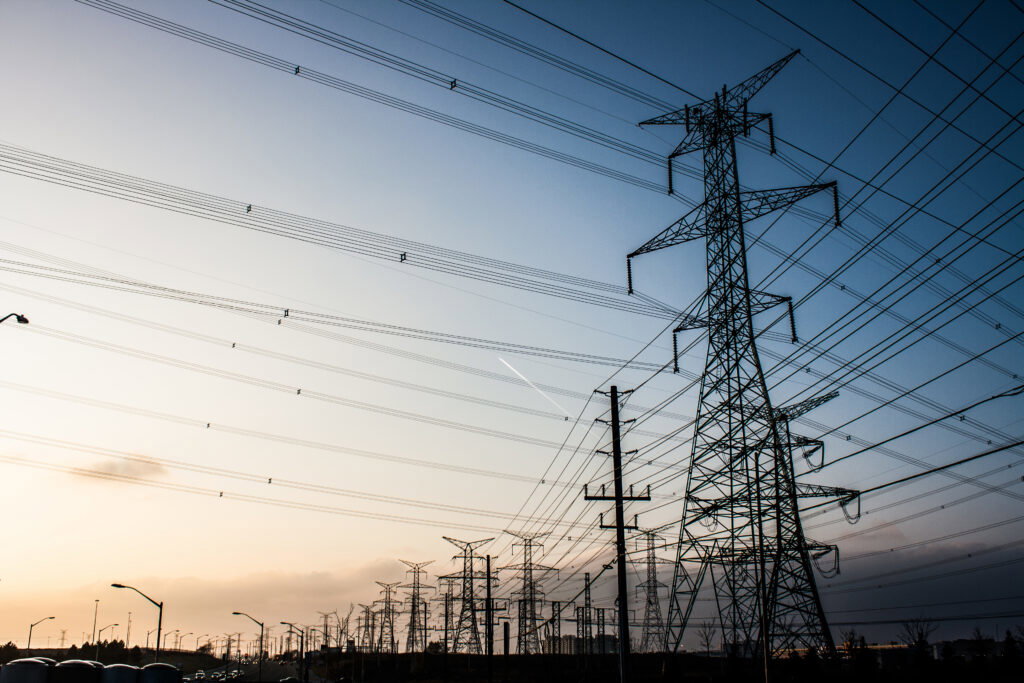
The programme is expected to mobilise up to €9 billion over its 10-year lifespan. Photo credit: Takchun/Shutterstock
The European Commission has approved a €9 billion Spanish electricity capacity market designed to reinforce the country’s power system and reduce the risk of supply shortages over the coming decade. The scheme, authorised under European Union state aid rules, will operate for 10 years and is intended to ensure sufficient electricity capacity remains available during periods of high demand, low renewable generation or unexpected disruptions to the network.
The approval was announced on May 29 and clears the way for Spain to introduce a market mechanism under which electricity generators, energy storage operators and large consumers capable of reducing demand can receive payments in return for guaranteeing availability when required by the system operator.
How the capacity market will operate
The capacity market is designed to ensure that sufficient reserve resources remain available, even if they are not operating continuously. Participants will compete through a series of auctions, with successful bidders receiving payments in exchange for committing to provide electricity generation, storage capacity or demand reduction services when called upon. According to the European Commission, the measure addresses concerns over future electricity adequacy as Spain continues its transition towards a power system increasingly reliant on renewable energy sources.
While wind and solar generation have expanded rapidly in recent years, their output varies according to weather conditions, creating a need for backup capacity that can respond when renewable production falls short of demand. The Commission concluded that the scheme is necessary, proportionate and compatible with the EU’s internal market rules. It stated that the measure includes safeguards to minimise distortions to competition and that participation will be allocated through transparent and competitive auctions.
Storage and demand-response expected to benefit
The programme is expected to mobilise up to €9 billion over its 10-year lifespan. Funding will support a range of technologies, including conventional generation facilities, battery storage projects and industrial consumers capable of temporarily reducing electricity consumption during periods of system stress.
Demand-response services are expected to play an increasingly important role within the mechanism. These services allow large energy users to lower their consumption at critical moments, helping to balance the grid without requiring additional electricity generation.
Industry analysts believe energy storage projects could be among the principal beneficiaries of the scheme. Battery installations are expected to compete for contracts alongside conventional power stations and demand-response providers, potentially providing greater investment certainty for developers.
Spain’s energy transition drives the need for reform
Spain first proposed the capacity market in 2024 through the Ministry for the Ecological Transition. The government argued that additional incentives would be required to maintain sufficient reserve capacity as older power stations are gradually retired and the electricity system becomes more dependent on renewable sources. The Commission noted that the scheme will be open to all eligible technologies capable of meeting technical requirements.
This includes electricity generation facilities, storage operators and demand-side response providers. The mechanism will also permit participation from projects located in other European Union member states where interconnection arrangements allow cross-border contributions to Spain’s electricity security.
Part of a wider European energy security strategy
The approval reflects policy developments across Europe, where governments are introducing measures designed to safeguard electricity systems during the transition away from fossil fuels. Capacity markets have already been implemented in several European countries to ensure sufficient backup resources remain available when market revenues alone may not provide adequate investment incentives.
Spain’s electricity system has undergone significant changes over the past decade, with renewable energy accounting for an increasingly large share of generation. The country has become one of Europe’s leading producers of wind and solar power, but policymakers have repeatedly stressed that system reliability requires complementary resources capable of responding rapidly when renewable output fluctuates.
The Commission’s decision comes amid continued efforts by European governments to strengthen energy security following the energy crisis that began in 2022 and the subsequent period of market volatility.
Cross-border participation and interconnection challenges
Brussels also highlighted provisions allowing future participation by electricity capacity providers located in interconnected EU member states. The measure is intended to support greater integration of European electricity markets while enhancing security of supply across national borders.
Spain has historically faced challenges linked to limited electricity interconnection capacity with the rest of continental Europe, particularly through France. Energy experts have long argued that stronger cross-border connections would improve both system resilience and the efficient use of renewable electricity generation.
Conclusion
Although the newly approved mechanism does not require Spain to permanently generate more electricity than it consumes, it is intended to ensure additional capacity is available whenever needed. By maintaining reserve resources capable of supporting the grid during periods of stress, the scheme represents a significant component of Spain’s strategy to preserve electricity security while continuing its transition towards a lower-carbon energy system.
Follow Euro Weekly News on Google News
Get breaking news from Spain, travel updates, and expat stories directly on your Google News feed.
Follow on Google NewsSign up for personalised news
Subscribe to our Euro Weekly News alerts to get the latest stories into your inbox!
By signing up, you will create a Euro Weekly News account if you don't already have one. Review our Privacy Policy for more information about our privacy practices.




Molly Grace
Molly is a British journalist and author who has lived in Spain for over 25 years. With a background in animal welfare, equestrian science, and veterinary nursing, she brings curiosity, humour, and a sharp investigative eye to her work. At Euro Weekly News, Molly explores the intersections of nature, culture, and community - drawing on her deep local knowledge and passion for stories that reflect life in Spain from the ground up.
Comments