Europe is about to make electric car batteries far less mysterious under new EU rules
By Farah Mokrani • Published: 30 May 2026 • 20:45 • 3 minutes read
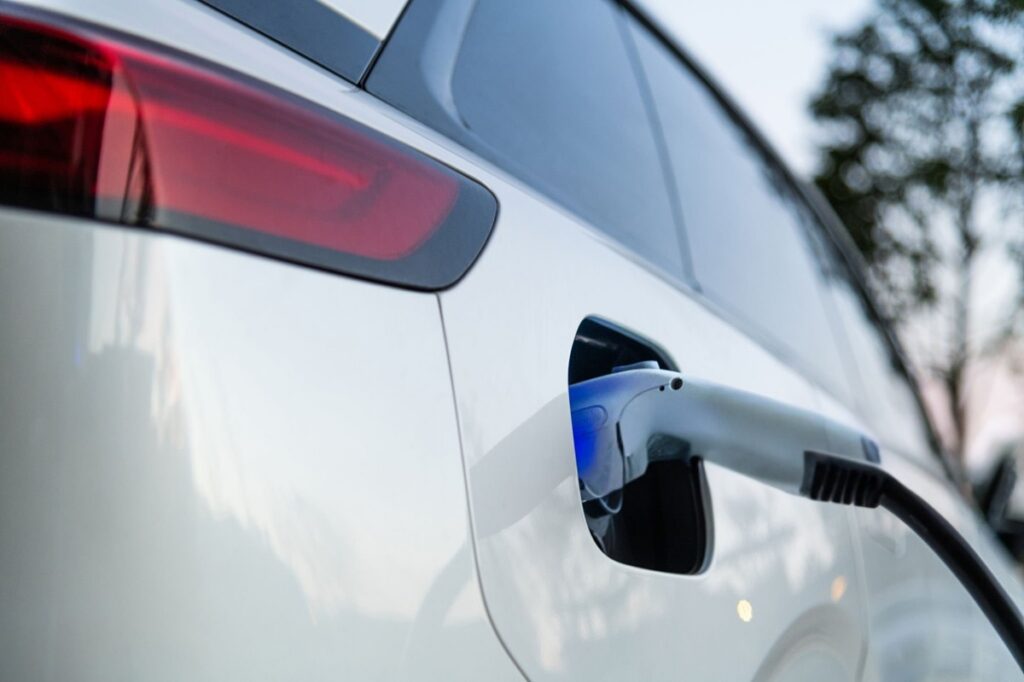
New EU battery passport rules aim to give EV owners clearer information about battery health and performance. Credit : baona jnr, Shutterstock
Anyone who has ever looked at a used electric car has probably wondered the same thing : What condition is the battery really in?
Mileage is easy to check and service history can usually be verified. The battery, however, is a different story.
It is often the most expensive part of the vehicle, yet for many buyers it remains something of a mystery.
Sellers can provide information. Manufacturers publish official figures. There are battery health reports and specialist inspections available.
Even so, many drivers still feel they are making an educated guess when it comes to understanding the true condition of an electric vehicle’s battery.
That uncertainty is exactly what the European Union hopes to reduce with a major change arriving in 2027.
From 18 February 2027, electric vehicles sold in Europe will be required to carry a digital battery passport, known as the Battery Pass. Accessible through a QR code attached to the vehicle, it will allow drivers, buyers and repair professionals to access detailed information about the battery with a simple scan.
For anyone thinking about buying an electric vehicle in the future, it could make one of the most important parts of the car far easier to understand.
Why battery information has become such a big issue for drivers
The battery sits at the centre of almost every conversation about electric vehicles.
How long will it last?How much range has it lost?Will it still perform properly in five years?How expensive would it be to replace?
These questions matter because the battery influences everything from daily driving range to the resale value of the vehicle.
The challenge is that finding reliable information is not always straightforward.
Two electric cars may look identical from the outside and have similar mileage, yet their batteries may have experienced very different levels of wear.
One might have spent years fast charging several times a week.Another may have been driven gently and charged more slowly.
Until now, much of that information has remained difficult for ordinary buyers to access.
That has helped create uncertainty in the used EV market, particularly among people considering their first electric vehicle.
The new Battery Pass is designed to make some of those unknowns easier to understand.
What drivers will actually be able to see
The QR code will act as a digital record linked directly to the battery.Once scanned, it will provide information including the battery manufacturer, production date, place of manufacture, serial number and technical specifications.
Drivers will also be able to see details about the materials used in the battery, including recycled content and certain environmental information.
For many consumers, however, the most interesting part will be the information relating to performance and durability.
The aim is to provide greater visibility into how the battery has been designed and how it is expected to perform throughout its life.
The system will not apply only to electric cars.It will also cover plug in hybrids and other battery powered vehicles equipped with batteries of 2 kWh or more.
That includes certain vans, motorcycles, scooters and electric bikes.
The measure forms part of the EU Battery Regulation approved in 2023, which seeks to improve transparency, sustainability and traceability throughout the battery industry.
Why the used EV market could benefit the most
Many industry observers believe the biggest impact may be felt in the second hand market. Buying a used petrol car has become relatively familiar territory for most drivers.
People know what to look for. Electric vehicles are still newer territory.
For many potential buyers, battery health remains the biggest unknown.
A standardised system providing official battery information could help build confidence and make comparisons easier between different vehicles.
That does not mean every concern about battery ageing will suddenly disappear.
Drivers will still have questions, battery technology will continue evolving and different manufacturers will continue using different systems.
What may change is the level of transparency available to consumers.
The information that many buyers currently struggle to find could soon be available with a simple scan.
As electric vehicles become a bigger part of everyday life across Europe, that extra visibility may prove valuable not only for buyers, but also for sellers, dealers and repair specialists.
For years, battery health has been one of the hardest parts of EV ownership to understand.In less than two years, it could become one of the easiest.
Follow Euro Weekly News on Google News
Get breaking news from Spain, travel updates, and expat stories directly on your Google News feed.
Follow on Google NewsSign up for personalised news
Subscribe to our Euro Weekly News alerts to get the latest stories into your inbox!
By signing up, you will create a Euro Weekly News account if you don't already have one. Review our Privacy Policy for more information about our privacy practices.





Farah Mokrani
Farah is a journalist and content writer with over a decade of experience in both digital and print media. Originally from Tunisia and now based in Spain, she has covered current affairs, investigative reports, and long-form features for a range of international publications. At Euro Weekly News, Farah brings a global perspective to her reporting, contributing news and analysis informed by her editorial background and passion for clear, accurate storytelling.
Comments