Some Airbnb listings in Belgium could disappear under new rules for holiday rentals
By Farah Mokrani • Published: 02 Jun 2026 • 14:18 • 3 minutes read
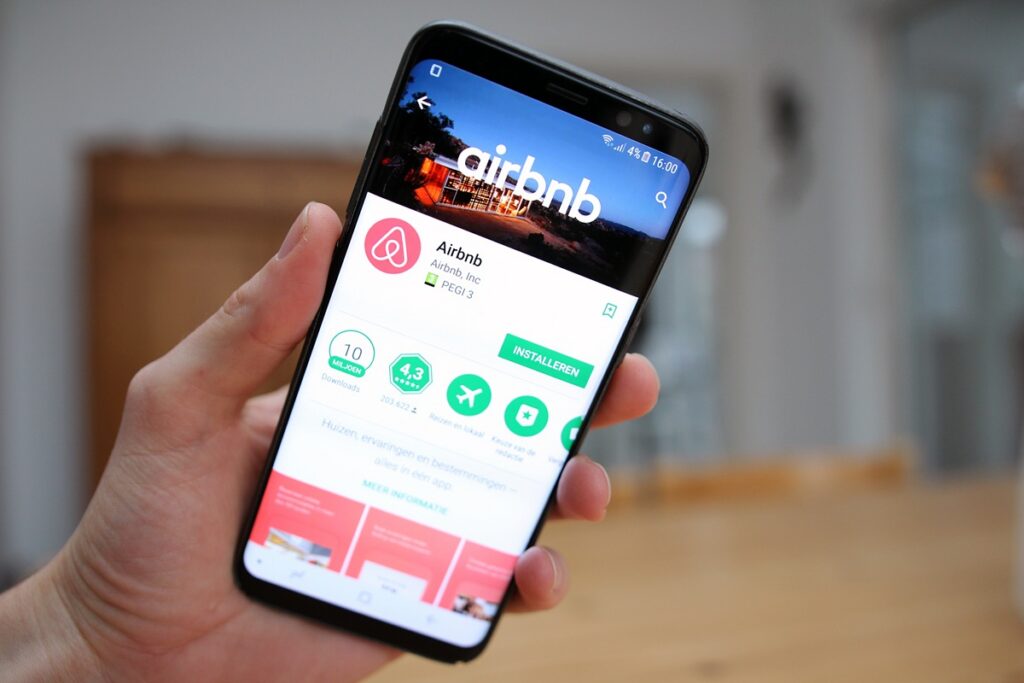
New rules in Belgium could affect how some Airbnb properties are listed and operated. Credit : ThomasDeco, Shutterstock
Finding a holiday apartment on Airbnb in Belgium may soon become a little different.
The Flemish government has approved new measures that will prevent tourist accommodation from appearing on platforms such as Airbnb unless it has an official registration number. At the same time, local councils will be given faster ways to act against properties that fail to comply with planning rules.
For travellers, the changes may not seem dramatic at first glance. But for some hosts, they could determine whether a property remains available online or disappears from booking platforms altogether.
The decision comes after inspections revealed that compliance remains a problem across part of Belgium’s holiday rental market. According to Tourism Flanders, only six out of ten tourist accommodation properties checked during annual inspections were fully complying with the region’s tourist accommodation regulations.
That finding has prompted authorities to take a closer look at how holiday rentals operate and how rules are enforced.
Why Belgium wants tighter control over Airbnb listings
Holiday rentals have become part of everyday travel.
Many visitors now choose apartments, guest houses and holiday homes instead of traditional hotels, particularly when travelling with family or staying for longer periods. But while the popularity of short term rentals has grown rapidly, authorities say not every property is meeting the standards required by law.
In Flanders, accommodation providers are already expected to register their properties and comply with rules covering areas such as fire safety, insurance and hygiene.
The issue, according to the government, is that too many properties are still operating without completing those requirements.
The new measures are designed to make registration impossible to avoid.
Under the updated system, tourist accommodation without an official registration number issued by Tourism Flanders will no longer be allowed to appear on booking platforms.
The government believes this will make it easier for travellers to book accommodation that meets legal requirements while creating a fairer environment for hosts who already follow the rules.
What Airbnb hosts will need to do
For hosts who have already completed the necessary registration process, little is expected to change.
Their properties should continue to operate as normal provided they remain compliant with existing regulations.
The situation is different for accommodation providers who have never registered their properties or who fail to meet the required standards.
Without a valid registration number, listings will no longer be permitted on online platforms.
The authorities are also increasing access to information.
Booking platforms will be required to share data about listings and activity with Tourism Flanders, allowing officials to identify accommodation operating outside the system more easily.
For legitimate hosts, the aim is to create greater transparency.
For those operating without registration, avoiding detection could become considerably more difficult.
Local councils will gain faster powers to close non compliant rentals
One of the biggest changes concerns enforcement.
Until now, dealing with properties that breached local planning rules could become a lengthy process. In some cases, administrative procedures could drag on for years before action was taken.
Under the new framework, local authorities will be able to move much more quickly.
If a municipality establishes that a property is violating local planning regulations, an official report from the council will now be sufficient for Tourism Flanders to initiate closure measures.
Authorities say this will help address problems more efficiently, particularly in areas where residents have complained about nuisance linked to tourist accommodation.
The government has also presented the measures as a way of giving local communities more control over how short term rentals operate in their neighbourhoods.
The changes reflect a broader trend visible across Europe, where cities and regional governments are increasingly looking for ways to monitor tourist accommodation more closely.
Concerns vary from one destination to another. Some focus on housing availability, others on compliance with safety regulations or the impact of tourism on residential areas.
In Belgium’s case, the immediate focus is registration and compliance.
For travellers planning future visits, the number of available holiday rentals is unlikely to change overnight. For some hosts, however, the message is becoming clearer. Properties that do not meet the rules may find it increasingly difficult to remain on platforms such as Airbnb in the years ahead.
Follow Euro Weekly News on Google News
Get breaking news from Spain, travel updates, and expat stories directly on your Google News feed.
Follow on Google NewsSign up for personalised news
Subscribe to our Euro Weekly News alerts to get the latest stories into your inbox!
By signing up, you will create a Euro Weekly News account if you don't already have one. Review our Privacy Policy for more information about our privacy practices.




Farah Mokrani
Farah is a journalist and content writer with over a decade of experience in both digital and print media. Originally from Tunisia and now based in Spain, she has covered current affairs, investigative reports, and long-form features for a range of international publications. At Euro Weekly News, Farah brings a global perspective to her reporting, contributing news and analysis informed by her editorial background and passion for clear, accurate storytelling.
Comments