Foreign buyers in Spain warned prefab homes could be removed from rural land
By Harry Dennis • Updated: 15 Jun 2026 • 12:43 • 3 minutes read
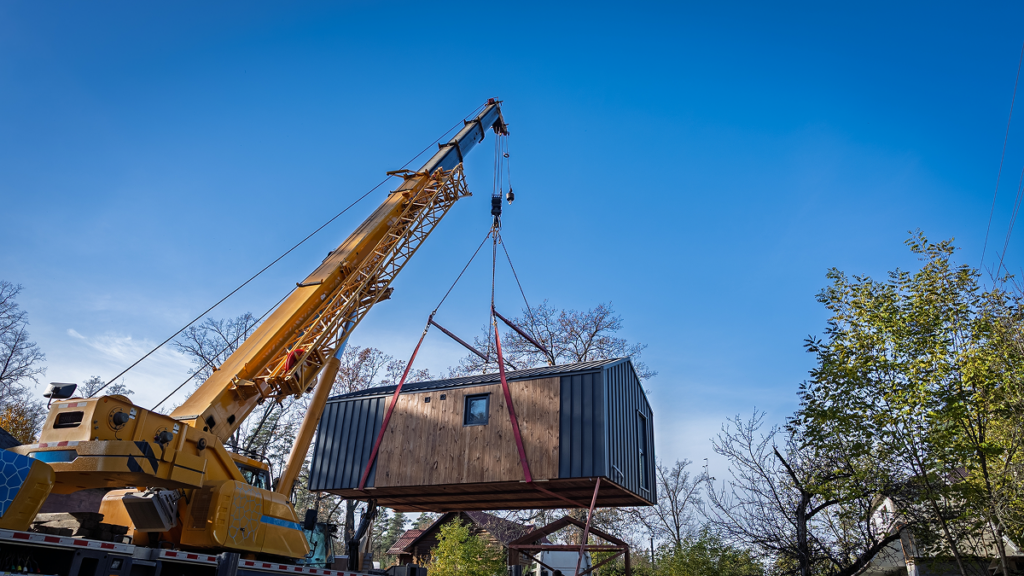
The dream home that may not have permission to stay. Credit: Viacheslav Nikolaenko / Shutterstock
Foreign buyers tempted by cheap prefab homes in rural Spain are being warned that the dream can quickly turn costly, with cases in Málaga and Almería showing how homes placed without the right land permissions can face fines, legal trouble and even removal by crane.
Why a cheap rural home can become an expensive legal problem
The appeal is understandable. A small wooden or modular home, sold online for a fraction of the price of a traditional property, can look like an answer for people priced out of Spain’s housing market.
For British residents in Spain, retirees, remote workers and families looking beyond expensive coastal towns, the appeal is obvious: more space, lower costs and a quieter life in the countryside.
There is, of course, the separate question of whether every rural buyer really wants their southern Spanish home to resemble a Swedish sauna. But style is not the issue causing legal trouble. In Andalucía, the decisive question is not whether a home is made of wood, steel, concrete or wheels. The decisive question is whether the land can legally be used as a residence.
That distinction is becoming more important as authorities increase scrutiny of mobile and prefabricated homes placed on rural land without the correct urban planning permission.
A prefab home is not automatically treated like a caravan
Spain’s Supreme Court has already addressed one of the most common claims used in these sales: that a mobile home does not need the same planning checks because it can be moved.
In a 2024 ruling, the court said mobile homes can be treated in planning terms like prefabricated houses rather than simple trailers when they are installed for residential use. The ruling focused on the use of the land, not only the physical structure.
That matters for buyers because a home with wheels, a timber cabin or a modular unit may still need a licencia urbanística, meaning an urban planning licence. In many rural areas, especially on suelo rústico (rustic land), ordinary residential use may not be allowed.
How the prefab housing issue is spreading in the Málaga province
The issue is not theoretical. In Málaga province, authorities have been looking closely at mobile and prefabricated homes in the Guadalhorce Valley, including areas such as Cártama, Alhaurín de la Torre and Alhaurín el Grande.
Reports linked to Guardia Civil operation Murus described dozens of alleged urban planning offences and more than 100 people investigated in connection with illegal rural constructions. Local authorities have warned that homes can be delivered by lorry or crane and installed in a single day, making enforcement more difficult.
But the same speed that makes them attractive can also work against buyers. If a home can arrive by crane without the right permission, it can also leave by crane when authorities decide it has no legal right to stay.
For councils, the concern is that illegal rural homes can create new informal settlements without proper roads, sanitation, waste systems, emergency access or legal water and electricity connections.
For buyers, the financial risk is very personal. A home advertised as “mobile”, “eco”, “off-grid” or “no licence needed” may still lead to sanctions, a removal order or a long legal process if the land use is not permitted.
How the Almería case shows foreign buyers can be directly targeted
Almería has already seen a case with a clear warning for international buyers.
The Junta de Andalucía previously reported the dismantling of 29 irregular luxury prefabricated homes in Sorbas, which had been installed on rustic land under the appearance of a tourist campsite.
According to the regional government, the homes were marketed online to foreign buyers as an opportunity to invest abroad, live permanently or spend long periods in Spain. Some were being sold for tens of thousands of euros and linked to specific plots with services such as water, electricity, sanitation and waste collection.
The Junta said 16 homes were removed and 13 were later legalised as fixed tourist accommodation after municipal authorisation, payment of fees and approval from tourism officials.
The case shows the grey area that can catch buyers out. A site may look organised, serviced and commercially established, but that does not automatically mean every residential use has been legally authorised.
The red flags to look out for before paying for a plot or prefab home
Buyers should be cautious when a seller says a licence is unnecessary because the home is removable, temporary or not built with bricks.
Other warning signs include rustic plots divided into small lots, adverts promising “water and electricity included”, pressure to pay a deposit quickly, vague references to future legalisation, or claims that neighbours have already done the same thing.
A private contract with a seller is not the same as planning permission from the local Ayuntamiento, or town hall. Nor does a home being delivered, insured, connected to services or advertised online prove that it can legally be used as a dwelling.
Before paying, buyers should ask the town hall in writing what the land classification is, whether residential use is allowed, and whether a planning licence is required. An independent lawyer or architect familiar with local planning rules should check the paperwork before money changes hands.
Follow Euro Weekly News on Google News
Get breaking news from Spain, travel updates, and expat stories directly on your Google News feed.
Follow on Google NewsSign up for personalised news
Subscribe to our Euro Weekly News alerts to get the latest stories into your inbox!
By signing up, you will create a Euro Weekly News account if you don't already have one. Review our Privacy Policy for more information about our privacy practices.





Harry Dennis
Born in the UK and raised on the Cádiz coast, Harry brings his background in design, music, and photography to his writing for Euro Weekly News, sharing stories that celebrate culture and lifestyle across Spain and beyond.
Comments