The sunset travel trend that could make evening hotspots busier this summer in Spain
By Harry Dennis • Updated: 17 Jun 2026 • 14:31 • 3 minutes read
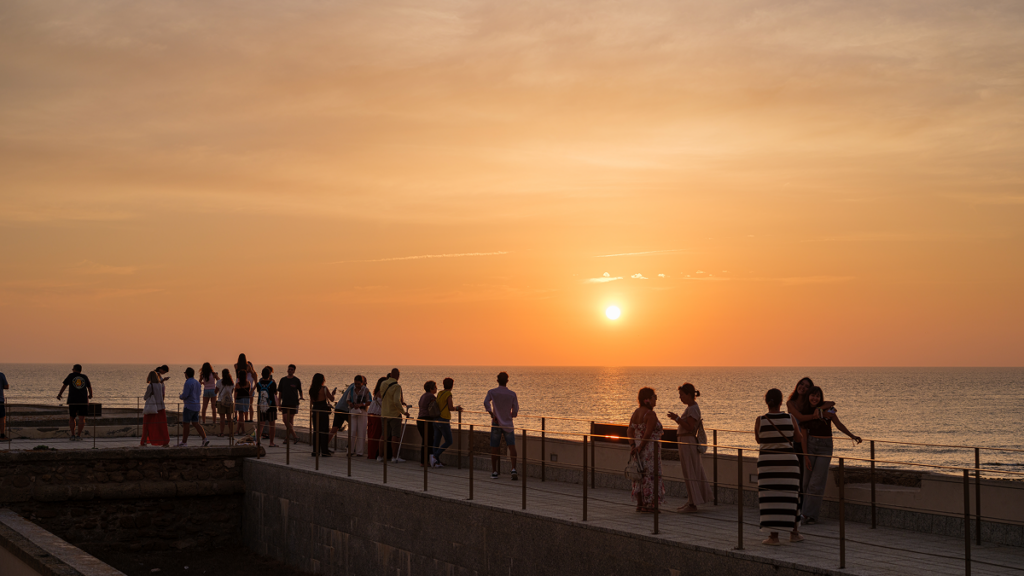
Spain’s evenings are becoming prime travel time. Credit: J Thomas Salas / Shutterstock
A new travel habit called “dusking” is pushing more travellers towards late-afternoon and sunset plans, with Tenerife named among leading global spots. For Spain visitors this summer, the shift could mean cooler evenings and cheaper memories, but also busier viewpoints, booked-out tours and safety checks in places such as Mount Teide.
Why Spain’s best sunset hours may feel busier this summer
A travel trend built around doing less could still change how tourists plan their busiest hours in Spain this summer.
The idea is called “dusking”, originating from the Netherlands, it is a term used to describe stepping outside in the late afternoon or evening to watch the daylight fade. Usually with less screen time, less rushing and more attention to being present while experiencing the light, temperature and atmosphere around a place.
It sounds simple, but travel platforms and tourism writers are now treating the late-day window as a growing part of holiday planning, particularly in warmer destinations where midday sightseeing can feel uncomfortable.
GetYourGuide, the online travel experiences platform, said in a June travel trends release that bookings for activities after 5pm had risen by nearly 40 per cent year-on-year. The company linked the shift to travellers looking for cooler, quieter and more atmospheric experiences as summer heat peaks.
For Spain, that makes the trend pretty easy to get onboard with. Evening already plays a major role in Spanish daily life, from the paseo to late dinners and packed terraces. The difference now is that visitors may increasingly plan their day around sunset tours, golden-hour viewpoints, evening boat trips and dusk walks rather than treating them as an afterthought.
How Tenerife became Spain’s strongest dusking name
Tenerife has become the clearest Spanish link in the recent dusking coverage.
The Canary Island is among the leading destinations for the trend, highlighting its clear skies, Atlantic setting and strong appeal to visitors. Mount Teide has been singled out as one of the best places on the island to experience dusk away from the coastal resorts.
Spain’s official tourism website also promotes sunset and stargazing experiences on Teide, including views from more than 3,555 metres, weather permitting, and astronomical observation after dark.
That gives Tenerife a strong travel hook, especially for British visitors who already know the island for winter sun, package holidays and beach resorts. The more useful point for travellers, however, is that the best dusking experiences may not be the easiest ones.
Teide is not a casual seaside viewpoint where you can stroll along and have a caña (small beer) in the meantime. It is a high mountain environment where temperatures and conditions can change quickly. Spain’s Ministry for Ecological Transition and the Demographic Challenge advises visitors to wear suitable footwear, bring warm clothing even when it is hot, use sun protection and avoid unfamiliar or unmarked routes.
Why sunset plans in Spain may need more planning than expected
For many holidaymakers, dusking can be free: a beach, a promenade, a balcony, a village viewpoint or a quiet bench facing west may be enough.
But the travel industry’s interest in sunset experiences also means some of the most attractive options may need booking earlier than expected. Evening boat trips, rooftop tables, guided walks, stargazing tours and national park excursions can all be limited by capacity, weather, transport or safety rules.
That matters for families, older travellers and visitors staying outside major resorts. A late sunset plan can quickly become stressful if the last bus has gone, a car park closes after dark, mobile signal drops, or a mountain viewpoint turns colder than expected.
It is advisable to check sunset times, return transport, access rules and weather before setting off on excursions. For natural parks and mountain areas, official guidance should come before social media clips. In protected spaces, visitors should also keep to marked routes, take rubbish away and avoid disturbing wildlife or other people looking for the same quiet moment. And if you want to enjoy the sun going down with a beer or glass of wine in hand, booking in advance is always the way to go when possible.
How to try dusking in Spain without joining the crowd
The easiest version of dusking in Spain does not require a paid tour or a viral viewpoint.
On the Costa del Sol, Costa Blanca, Balearic Islands, Canary Islands and much of inland Spain, the late afternoon can offer a more comfortable way to enjoy summer without squeezing another expensive attraction into the day. Residents and long-stay visitors will most likely already be accustomed to the lower-cost ways to wind down during the evening: a quieter stretch of promenade, a local mirador, an inland hill town or a simple west-facing terrace can offer the same pause without adding pressure to already busy beauty spots.
As Spain moves deeper into the summer season, the 5pm-to-sunset window is likely to become more valuable. Travellers planning around that time should treat it like any other peak slot: arrive early, check the basics, and remember that the point of dusking is not getting the perfect photo, but quite the opposite. It is having a cooler, calmer end to the day without turning sunset into another holiday queue.
Follow Euro Weekly News on Google News
Get breaking news from Spain, travel updates, and expat stories directly on your Google News feed.
Follow on Google NewsSign up for personalised news
Subscribe to our Euro Weekly News alerts to get the latest stories into your inbox!
By signing up, you will create a Euro Weekly News account if you don't already have one. Review our Privacy Policy for more information about our privacy practices.





Harry Dennis
Born in the UK and raised on the Cádiz coast, Harry brings his background in design, music, and photography to his writing for Euro Weekly News, sharing stories that celebrate culture and lifestyle across Spain and beyond.
Comments