What tourists should never do during San Juan: Avoiding trouble at Spain’s biggest summer party
By Natascha Rivera • Published: 18 Jun 2026 • 9:00 • 4 minutes read
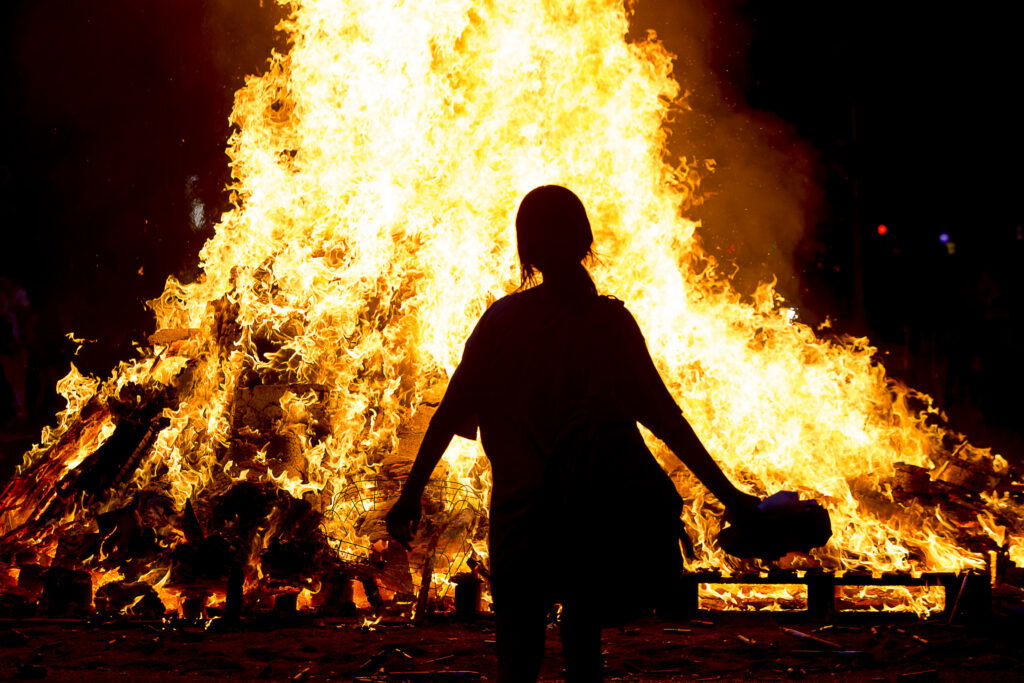
Tourists warned about safety and etiquette during Spain’s San Juan celebrations Photo Credit: Barcelona City Hall
San Juan, also called Sant Joan, will light up cities and towns across Spain on the night of June 23, celebrating the summer solstice and bringing a spectacular, vibrant, and lively vibe to the coastlines and inland areas of some of the country’s most popular tourist hotspots. Cities like Barcelona, Valencia, and Alicante famously go all-out for this annual celebration, attracting thousands of visitors to the beach or gathering in plazas to watch the fireworks show.
But, with a celebration this large comes the inevitable: rowdy tourists, fireworks chaos, and cultural divides. Being a tourist in Spain during San Juan can make for one of the most memorable trips of the year, but it is also essential to know what not to do during this special, one-of-a-kind night on the Mediterranean coastline.
Fire safety
When thinking of San Juan, the first thing most people think of are fireworks. As a custom, firecrackers (also called petardos) are sold in stalls in the days leading up to San Juan, and fireworks shows in the streets and on beaches are a major part of the celebration. However, tourists should be careful when dealing with these ignitable objects, no matter how small.
Never put firecrackers in your pockets
Many visitors often put small firecrackers into their pockets, which is a huge mistake: these can easily catch fire from friction, stray sparks from nearby explosions, and heat, and they can cause severe burns.
Never drop firecrackers into trash bins or into glass bottles
Many tourists do this because it makes an interesting sound; however, putting fireworks and firecrackers into a trash bin or into a glass bottle could send dangerous shards of plastic or shrapnel flying, putting yourself and others at risk.
Never throw firecrackers at other people, buildings, or cars
While self-explanatory for the safety aspect, throwing fireworks at other people’s property may also incur heavy fines of up to thousands of euros.
Bonus Tip: If the fireworks fail to light, do not attempt to light them again for 30 minutes, just to be safe.
Avoid jumping over bonfires
This is a centuries-old tradition that is meant to cleanse sins and bring good luck for the beginning of summer. However, rowdy and intoxicated tourists often injure themselves attempting to leap over the embers of bonfires; it is important to attempt this only when sober, only when the bonfire is small and controlled, and only when accompanied by friends who can help in an emergency.
Clothing and protection
During San Juan, it is important to think about the kinds of clothing to wear if you know people will be lighting firecrackers all around. Tourists should never wear flammable clothing (especially nylon and polyester fabrics and flowy clothing) to keep the risk at a minimum. Instead, it is advised to wear 100 per cent thick cotton, closed-toed shoes, and long sleeves or pants (if the weather allows for it). It is notable that clothes could potentially get singed during the celebrations.
Additionally, tourists should never leave their windows or balcony doors open, as stray fireworks can fly sideways and easily enter open windows and, in the worst of cases, start residential fires. It is advised to bring any clothes hanging outside to dry inside, as they can also be lit aflame by spare fireworks.
Caring for the beach and the environment
Hundreds, if not thousands of people will gather on Spain’s beaches during San Juan, and it is important to know the basic rules of etiquette to minimise the damage done to the environment and the coastline.
Never light unauthorised bonfires on the beach
Lighting your own open fire on the sand is illegal in many coastal regions, including in Alicante, Denia, and parts of Barcelona. Tourists should only gather around officially designated and controlled bonfires to minimise risk and environmental damage.
Never bring glass bottles to the beach
Drinking cava is a special part of the San Juan celebrations, but tourists should avoid bringing glass bottles to the beach. Broken glass on the beach is a recipe for injuries and harm to animals that call the coastline home, including fish, seagulls, and pigeons.
Never leave valuables unattended, even to go swim
Many parts of Spain are notorious for their pickpocketing culture. In major celebrations like San Juan where many tourists are rowdy and intoxicated, and especially when it gets darker leading up to the fireworks show, thieves will be looking to take advantage of visitors. Bring only the essentials and keep them within your line of sight at all times.
Transport
After the festivities have finally ended for the night, tourists will need to find a way back to their hotels or accommodations. However:
Never assume you can drive or take a taxi
San Juan will be packed with people, which could make driving, taking a taxi or using a rideshare app like Cabify or Uber nearly impossible. Always have a backup plan for how to get home, taking into account the large crowds.
Animals
Caring for wild animals on the beaches by avoiding littering is important, but domesticated animals also need care during San Juan, as fireworks can terrify many pets. It is advised to avoid bringing animals, especially excitable dogs, to San Juan celebrations; many terrified dogs can even run away during the festival.
Respecting the locals
Finally, one of the most important aspects of San Juan is respecting local culture, food, and people. The beaches and coastlines will be filled with as many Spanish locals as tourists, all looking to have fun and enjoy this special, once-a-year celebration. It is important that tourists respect locals and their culture by not littering in their neighbourhoods, not making an excessive amount of noise past a reasonable hour, not vandalising, and not becoming too rowdy in the streets.
San Juan, sans faux pas
If tourists embrace the chaotic and fun energy of San Juan, while also learning how to respect local customs and popular areas, they are certainly in for one of the most memorable nights in Spain.
Follow Euro Weekly News on Google News
Get breaking news from Spain, travel updates, and expat stories directly on your Google News feed.
Follow on Google NewsSign up for personalised news
Subscribe to our Euro Weekly News alerts to get the latest stories into your inbox!
By signing up, you will create a Euro Weekly News account if you don't already have one. Review our Privacy Policy for more information about our privacy practices.




Natascha Rivera
Natascha is a Dominican writer based in Spain with a background in audiovisual and marketing communication. A lifelong reader and passionate storyteller, she brings a creative edge to her work at Euro Weekly News. Her multicultural perspective informs her coverage of lifestyle and community stories, offering fresh angles and relatable storytelling that connects with a diverse audience.
Comments