Spain housing emergency: why 750,000 missing homes could squeeze renters and buyers
By Harry Dennis • Published: 23 Jun 2026 • 19:15 • 4 minutes read
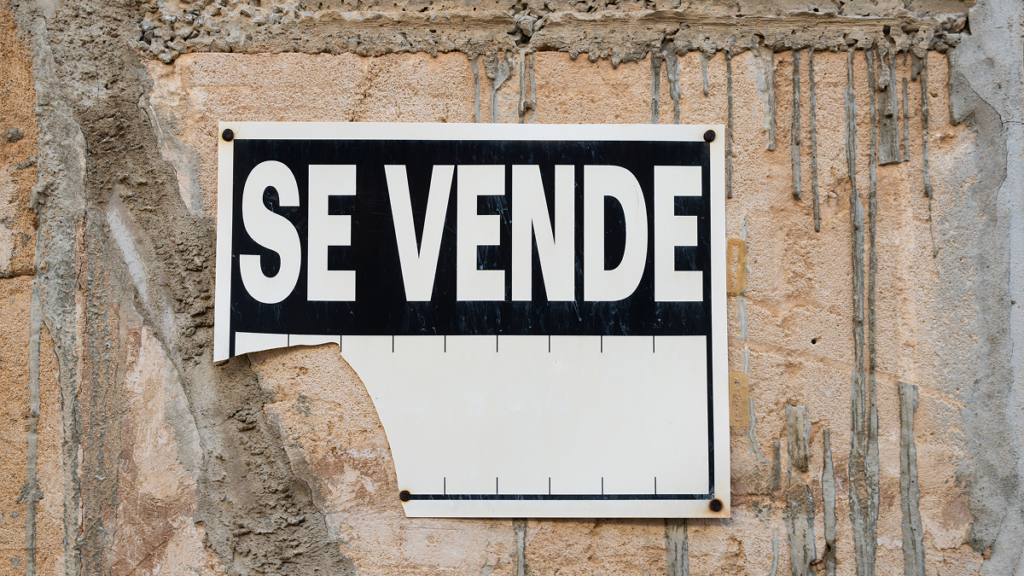
Spain’s housing shortage is putting renters and buyers under pressure. Credit: Neme Jimenez / Shutterstock
Spain’s housing shortage has been described as a national emergency after the Bank of Spain estimated a 750,000-home gap between demand and supply. The warning matters for renters, buyers and foreign residents in pressure areas including Málaga, Alicante, Valencia, Barcelona, Madrid and Murcia.
Why Spain’s housing shortage is now being treated as a national emergency
Spain’s housing crisis has moved from a familiar complaint about high rents into a warning from one of the country’s most important financial institutions.
Bank of Spain governor José Luis Escrivá has said there are strong economic reasons to treat access to housing as a national emergency, after the central bank estimated Spain’s accumulated housing shortfall at around 750,000 homes between 2021 and 2025.
The warning does not mean Spain is facing a repeat of the 2008 property crash. The Bank of Spain has also said current indicators do not show the same financial-stability risks seen during the previous real estate bubble.
The concern now is less about a banking collapse and more about an everyday squeeze: too many people competing for too few suitable homes.
For Euro Weekly News readers, the issue reaches beyond Spanish politics. It can affect rent renewals, property searches, mortgage access, relocation plans, young workers trying to leave home, and foreign residents hoping to buy or rent in already busy coastal and urban areas.
How the 750,000-home gap reaches renters and foreign buyers
The Bank of Spain’s latest analysis points to a structural mismatch between the number of homes being created and the number of households needing somewhere to live.
The pressure is not spread evenly across the country. The shortage is heavily concentrated in provinces including Madrid, Barcelona, Alicante, Valencia, Murcia and Málaga, all areas where population growth, employment, tourism, international buyers and limited supply can collide.
For renters, the result can be fewer available homes, more competition for viewings and pressure when contracts come up for renewal. For buyers, it can mean higher prices, tighter budgets and a greater risk of being pushed away from preferred locations.
Foreign residents and second-home buyers are part of that picture, but they are not the only cause. Spain’s housing problem is being driven by a wider mix of population growth, household formation, slow construction, limited affordable supply, high demand in certain cities and pressure from different uses of housing.
That includes long-term rental, tourist accommodation, seasonal lets, second homes and properties that remain empty because they are not in the right places or condition to meet current demand.
Why new homes are not keeping up with new households
The scale of the shortage becomes clearer when looking at recent building figures.
In 2025, Spain added about 95,000 homes, while around 239,000 new households were formed. That means new housing covered only about 40 per cent of the year’s new household demand.
The Bank of Spain has pointed to several reasons for the slow response in supply. These include a lack of ready-to-build land, lengthy administrative procedures, construction-sector constraints, limited public housing and the difficulty of making empty homes useful where people actually need them.
This is why headline construction promises can take years to affect ordinary renters or buyers. Homes must be planned, approved, financed, built and connected to services before they can ease pressure in real neighbourhoods.
The central bank has also urged prudence around mortgage lending. Any future tightening of high-risk mortgage criteria would be aimed at preventing dangerous credit growth, but it could also make it harder for some buyers to enter the market if they already lack savings or stable income.
How squatting fears add another side to the housing squeeze
Housing supply is also affected by confidence among owners.
Squatting in Málaga has reached more than 450 new cases a year, with local political figures arguing that fear of illegal occupation can discourage some owners from putting homes on the rental market.
That concern is real for many homeowners, especially people with second homes or inherited properties.
However, the Bank of Spain’s figures point to a deeper national imbalance between homes needed and homes available. Squatting fears, tourist rentals, empty properties, planning delays, weak public housing and high demand all sit inside a larger market that is failing to supply enough homes in the places where people need them most.
Where residents may feel the pressure next
The most immediate effects are likely to be felt in places already under strain: large cities, commuter belts, coastal provinces and popular foreign-buyer areas.
Renters may need to prepare earlier before contracts expire, compare local market prices carefully and check whether any proposed rental clauses are lawful under Spanish housing rules.
Buyers may need to be realistic about mortgage affordability, taxes, community fees and renovation costs, rather than relying only on the advertised sale price.
Foreign residents should also be careful not to treat Spain as one single property market. Conditions in inland towns, small villages, provincial capitals and coastal hotspots can be completely different.
The housing shortage is now being framed as one of Spain’s biggest economic and social challenges, with people watching whether public administrations can speed up supply, if mortgage rules tighten, how tourist and seasonal rentals are controlled, and whether empty homes can realistically be brought back into use where people actually want to live.
Follow Euro Weekly News on Google News
Get breaking news from Spain, travel updates, and expat stories directly on your Google News feed.
Follow on Google NewsSign up for personalised news
Subscribe to our Euro Weekly News alerts to get the latest stories into your inbox!
By signing up, you will create a Euro Weekly News account if you don't already have one. Review our Privacy Policy for more information about our privacy practices.




Harry Dennis
Born in the UK and raised on the Cádiz coast, Harry brings his background in design, music, and photography to his writing for Euro Weekly News, sharing stories that celebrate culture and lifestyle across Spain and beyond.
Comments