How a Spanish village dropped to under 10°C in the middle of a heatwave
By Molly Grace • Published: 23 Jun 2026 • 18:51 • 3 minutes read
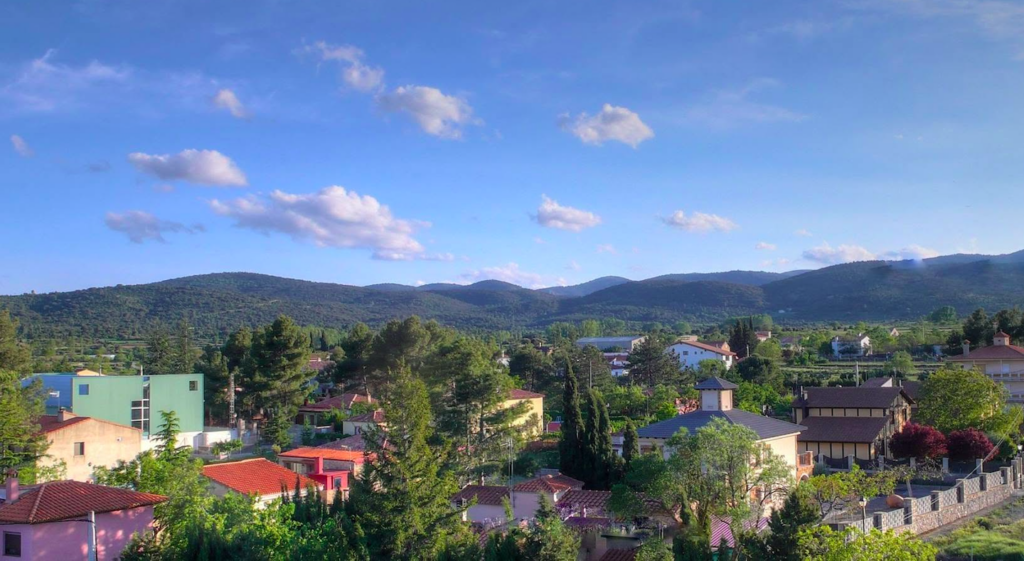
It’s the kind of place that comes up in conversation every time Spain hits a heatwave. Photo credit: El Toro on Facebook
While much of Spain baked under a punishing summer heatwave, one inland village woke up to something almost unthinkable: temperatures dropping into single digits overnight. In a country where heat alerts dominated the headlines, residents in this quiet mountainous area were reaching for blankets rather than fans.
The contrast has sparked fascination across social media, with many asking the same question: how can it be freezing in the middle of one of the hottest periods of the year? The answer lies in geography, altitude, and a weather pattern that has turned this part of eastern Spain into a surprising cool pocket amid extreme heat.
A sharp overnight drop that defied the heatwave narrative
Reports from inland areas of the province of Castellón, particularly the village of El Toro, show nighttime temperatures falling dramatically during the heatwave period. While daytime conditions remained warm to hot, the air cooled rapidly after sunset, with readings in some nearby high-altitude stations dipping close to or even below 10°C.
This sharp contrast between day and night is not unusual in elevated terrain, but what made this instance remarkable was the timing. As Spain endured widespread heat alerts, this village briefly experienced conditions more commonly associated with early autumn than midsummer.
Locals described a noticeable chill overnight, with open windows left unnecessary and early mornings requiring extra layers before sunrise.
Why this village gets so cold in summer
El Toro sits at high altitude in the inland mountains of Castellón, far from the moderating influence of the sea. That elevation plays a crucial role in the extreme temperature swing. During the day, dry air allows the sun to heat the ground quickly. But once the sun sets, heat escapes just as fast. Without coastal humidity to trap warmth, temperatures fall sharply, sometimes by more than 15°C between afternoon and dawn.
Meteorologists often refer to this as a strong diurnal temperature range. In simple terms, it means hot days and cold nights can coexist even in the middle of summer. Clear skies during heatwaves can amplify this effect further. With no cloud cover to hold heat in the atmosphere, the ground loses warmth rapidly overnight.
Spain’s weather extremes
Spain’s summer climate has become increasingly defined by extremes. Prolonged heatwaves in southern and central regions often dominate national weather reports, but inland mountain zones can behave very differently.
While cities such as Madrid, Sevilla and Valencia endure sustained high temperatures, elevated rural areas can experience sudden nocturnal cooling. This is particularly noticeable in sparsely populated regions with dry air and low humidity.
The result is a country where two completely different summers can exist at the same time: one marked by heat warnings and sleepless nights, and another defined by unexpectedly cold dawns.
Social media reacts to the temperature shock
As screenshots of weather readings circulated online, many users expressed disbelief that such low temperatures were possible during a heatwave. Some compared it to “two seasons in one day”, while others highlighted how Spain’s geography creates stark local contrasts that are often overlooked in national forecasts.
The story has also prompted renewed interest in rural inland Spain, where climate conditions can differ dramatically within just a few kilometres.
A reminder of how localised weather can be
Events like this show a key feature of modern weather patterns: national forecasts often mask local extremes. broad national forecasts often mask highly localised extremes. A heatwave declaration can apply to most of a region, while specific microclimates behave entirely differently.
For residents of high-altitude villages like El Toro, summer does not always mean relentless heat. Instead, it can bring hot afternoons followed by unexpectedly cold nights that feel far removed from the conditions just a short drive away.
As Spain continues to face intense summer heatwaves, these sharp contrasts are likely to become even more noticeable, reminding observers that weather is never uniform, even within a single province.
Follow Euro Weekly News on Google News
Get breaking news from Spain, travel updates, and expat stories directly on your Google News feed.
Follow on Google NewsSign up for personalised news
Subscribe to our Euro Weekly News alerts to get the latest stories into your inbox!
By signing up, you will create a Euro Weekly News account if you don't already have one. Review our Privacy Policy for more information about our privacy practices.




Molly Grace
Molly is a British journalist and author who has lived in Spain for over 25 years. With a background in animal welfare, equestrian science, and veterinary nursing, she brings curiosity, humour, and a sharp investigative eye to her work. At Euro Weekly News, Molly explores the intersections of nature, culture, and community - drawing on her deep local knowledge and passion for stories that reflect life in Spain from the ground up.
Comments