Spain opens €50 holiday scheme for retirees as cost of living rises – how to apply
By Molly Grace • Published: 24 Jun 2026 • 17:20 • 3 minutes read

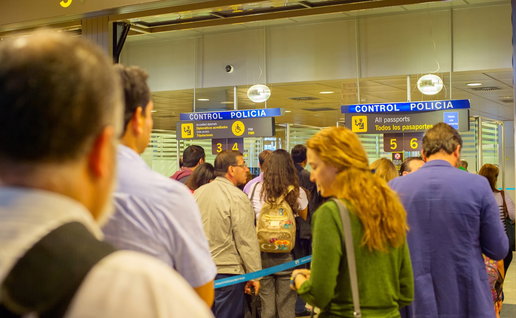
It is built into how Spain supports both its older population and its tourism sector at the same time. Photo credit: Facestock/Shutterstock
Spain has opened applications again for its pensioner holiday scheme, and most of the attention is on a small batch of trips that cost just €50. It is an unusually low price at a time when travel costs have risen across Europe, even for short stays.
The programme covers around 880,000 holiday places for the 2026–27 season. Within that, about 7,400 places are priced at €50 and are reserved for pensioners on the lowest incomes, while the rest are offered at subsidised rates that vary depending on income and trip type.
The scheme is open to pensioners living in Spain, including Spanish nationals and legal residents who meet the eligibility rules. It is not based on nationality in the UK sense, but on residency and income within Spain. It is not new, but it feels more noticeable now. With everyday costs higher than they were a few years ago, even small travel opportunities stand out more clearly.
Why €50 holidays still matter for retirees
A €50 holiday is hard to ignore because it is far below normal travel prices. Even a basic hotel stay in Spain usually costs several times that once transport and accommodation are added.
For retirees, the gap matters. Pensions are fixed, but costs are not. Food, energy and transport have all gone up, which leaves less room for anything that is not essential. Travel is often the first thing to be cut.
That is why these places get so much interest every year. They are limited, tightly controlled, and usually booked quickly once access opens.
What the scheme is actually for
The point is simple. It gives older people access to holidays they would not normally be able to afford, especially those on lower incomes.
It also keeps parts of Spain’s tourism industry working during quieter months. Hotels, coastal towns and transport services rely on visitors outside peak season, and this helps fill some of that gap.
So it ends up serving two purposes at once: giving retirees a chance to travel and keeping tourism steady when demand would otherwise drop.
Cost of living is driving the interest
Higher living costs sit behind much of the demand. Prices for basic things like food, rent and energy have gone up across Europe, and pensions have not always kept pace.
That leaves less flexibility in monthly budgets. Even people who used to take a short holiday every year may now think twice before booking anything.
In that context, a subsidised trip is not just a nice offer. For some people, it is the only realistic way to get away.
Who can get the €50 trips
The €50 price is not available to everyone. It is only for pensioners with very low incomes, including those on non-contributory pensions or those who fall below strict financial limits set by the programme.
Other pensioners can still apply, but they are placed into different price bands. Those trips are still subsidised, just not reduced to the €50 level, and the final cost depends on income and the type of holiday chosen.
So the €50 figure is real, but it applies to a small, specific group rather than the whole system.
How to apply for the scheme
Applications are open until 10 July 2026. People apply through the official Imserso website, which runs the “Programa de Turismo Social” for pensioners. Some people who have taken part before are already registered, while others need to submit an application to be added.
Once accepted, users get access to the Imserso booking portal. That is where the actual trips are listed. From there, people choose destinations, dates and accommodation options from what is available to them.
It works in a similar way to booking a normal holiday, but within the limits of what has been allocated. The €50 places are limited, so they tend to go quickly once bookings open.
Why Spain keeps doing this
The system has stayed in place because it solves two problems at once. It gives older people a way to travel when money is tight, and it keeps tourism businesses active outside peak season.
It is not framed as a bonus or extra benefit. It is built into how Spain supports both its older population and its tourism sector at the same time.
As living costs continue to rise, its relevance becomes easier to understand. It does not change the bigger financial pressures, but it does make small holidays possible for people who would otherwise miss out entirely.
Follow Euro Weekly News on Google News
Get breaking news from Spain, travel updates, and expat stories directly on your Google News feed.
Follow on Google NewsSign up for personalised news
Subscribe to our Euro Weekly News alerts to get the latest stories into your inbox!
By signing up, you will create a Euro Weekly News account if you don't already have one. Review our Privacy Policy for more information about our privacy practices.


Molly Grace
Molly is a British journalist and author who has lived in Spain for over 25 years. With a background in animal welfare, equestrian science, and veterinary nursing, she brings curiosity, humour, and a sharp investigative eye to her work. At Euro Weekly News, Molly explores the intersections of nature, culture, and community - drawing on her deep local knowledge and passion for stories that reflect life in Spain from the ground up.
Comments