Spain moves to stop mobile networks failing within four hours of a blackout
By Molly Grace • Published: 25 Jun 2026 • 18:08 • 3 minutes read
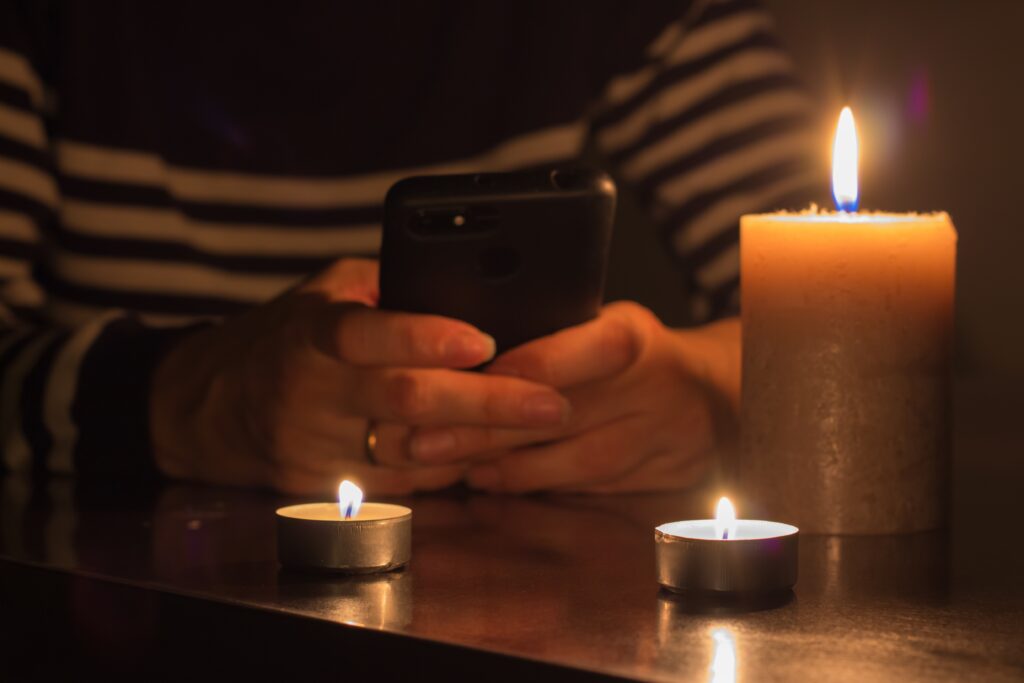
Right now, mobile masts switch to backup batteries when electricity fails. Photo credit: Kryvosheia Yurii/Shutterstock
Spain is planning new rules that would keep mobile networks running for up to four hours when the electricity goes out, in an attempt to stop people losing phone signal almost immediately during blackouts. At the moment, mobile masts switch to backup batteries when the grid fails.
Those batteries only last for a limited time. Once they run out, the mast shuts down and coverage disappears. It does not fail evenly either, which is why one area can still have signal while another nearby has none at all. The government wants to stretch that window so networks do not collapse so quickly. The idea is that four hours of guaranteed coverage would give people time to make calls, contact emergency services and get information while power systems are restored.
Why this is being proposed now
The rule comes after the 2025 blackout in Spain and Portugal that left parts of the mobile network without coverage when the power failed. On normal days phones feel constant and reliable. Most people do not think about what keeps them working. That changes when the power goes out for long enough.
Once backup batteries start running down, mobile sites begin to fail. When enough of them go at once, coverage drops across large areas very quickly. It has become more of a concern because mobile phones now carry far more than calls and messages. People use them for banking, navigation, work and emergencies. When the network goes down, a lot more than communication is affected.
What telecom operators will have to change
To meet the new requirement, mobile operators will need to upgrade backup systems at thousands of sites across Spain. In some cases that will mean larger batteries. In others it could involve generators or hybrid systems that can take over when the grid fails.
However, not all sites will be treated the same. The core parts of the network, such as major switching centres, will have stricter rules than ordinary mobile masts. Some of those central sites may need to keep running for 12 hours or more. The most important nodes could be expected to last up to 24 hours. The aim is to keep the backbone of the network working even if parts of the local infrastructure shut down.
A gradual rollout
The changes will not happen all at once. The plan is to introduce them in stages, starting with coverage for around half the population and gradually increasing to about 75 per cent. That approach reflects the scale of the work involved. Spain’s mobile network is large and uneven. City areas are dense and relatively straightforward to support.
Rural and remote regions are more complicated and often need different solutions. Telecom operators were consulted during the process and raised concerns about cost and practicality. Earlier versions of the proposal were more ambitious, but the final plan has been adjusted after those discussions.
Emergency services are a key reason
A major reason behind the policy is the role of mobile networks in emergency response. Spain’s 112 system depends on telecom networks to coordinate ambulances, fire services and police. When mobile coverage drops during a blackout, it becomes harder for people to call for help and harder for emergency teams to coordinate.
Even short gaps can slow response times when speed matters most. Keeping networks active for longer is intended to reduce that risk during the most critical period of a power cut.
What people would actually notice
For most people, nothing will change in everyday use. Phones will continue to work normally and coverage will feel the same as it does now.
The difference only becomes visible during a serious blackout. Instead of losing signal shortly after the power goes out, people would still have access to mobile networks for several hours.
It would not stop networks failing completely. It would delay when they fail, which is the part that matters in an emergency
Beyond the Blackout
Spain is starting to treat mobile networks less like commercial services and more like essential infrastructure. The thinking is that if phones are now part of how people access emergency help, banking and basic communication, then networks cannot be allowed to fail immediately when the power goes out.
It is not about making the system perfect or preventing outages. It is about making sure communication does not collapse straight away when something else goes wrong.
Spain is not alone in this. Other countries are moving in the same direction, trying to make telecom networks hold on for longer during major disruptions rather than dropping out as soon as backup power runs out.
Follow Euro Weekly News on Google News
Get breaking news from Spain, travel updates, and expat stories directly on your Google News feed.
Follow on Google NewsSign up for personalised news
Subscribe to our Euro Weekly News alerts to get the latest stories into your inbox!
By signing up, you will create a Euro Weekly News account if you don't already have one. Review our Privacy Policy for more information about our privacy practices.





Molly Grace
Molly is a British journalist and author who has lived in Spain for over 25 years. With a background in animal welfare, equestrian science, and veterinary nursing, she brings curiosity, humour, and a sharp investigative eye to her work. At Euro Weekly News, Molly explores the intersections of nature, culture, and community - drawing on her deep local knowledge and passion for stories that reflect life in Spain from the ground up.
Comments