How many years does it take to buy a home in Europe — results highlight a divide
By Molly Grace • Published: 26 Jun 2026 • 23:07 • 3 minutes read
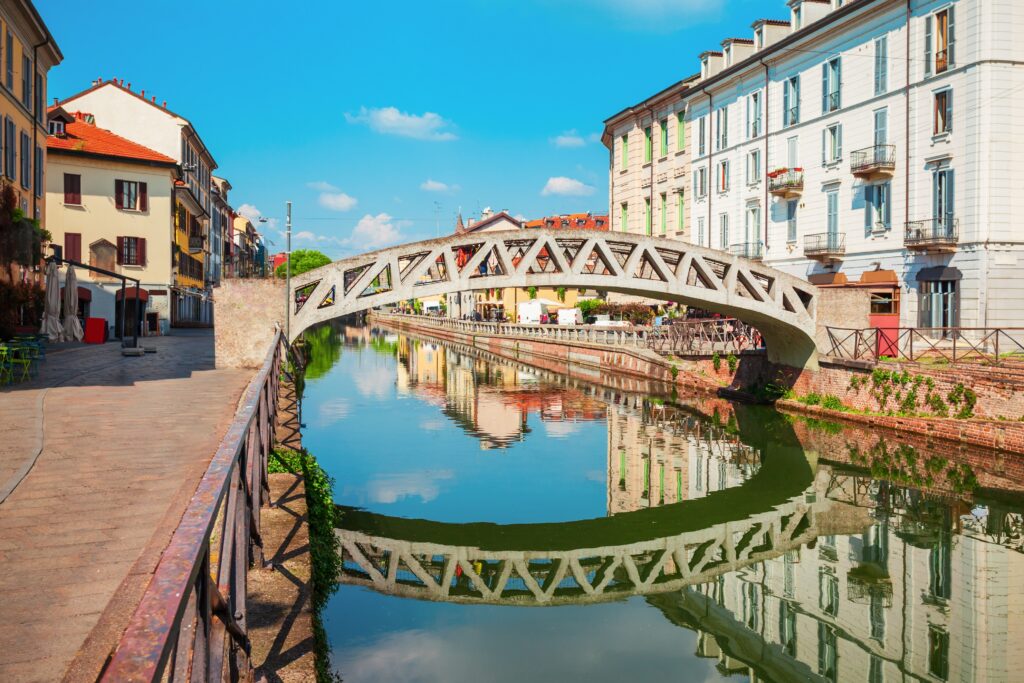
Housing affordability has become an increasingly important political issue. Photo credit: Saiko3P/Shutterstock
For many people hoping to buy their first home, the biggest obstacle is no longer saving for a deposit but keeping up with house prices that continue to outstrip wages. New research has found that in some European cities, buying an average home now costs the equivalent of almost 19 years of household income.
The findings, based on the widely used price-to-income ratio, highlight the growing affordability challenge across Europe, where property values have climbed far faster than earnings over the past decade. According to the research, Lisbon in Portugal and Split in Croatia are Europe’s least affordable housing markets. Both cities recorded a price-to-income ratio of 18.7, meaning the average home costs almost 19 times the average annual household income.
What does the price-to-income ratio mean?
The price-to-income ratio compares the average cost of a home with the average household’s annual income. It is commonly used by economists to assess whether housing is affordable in different countries and cities.
It does not mean buyers need to save every penny they earn for 19 years before purchasing a property. Most homes are bought with mortgages, while households continue to pay for everyday expenses. Instead, the ratio illustrates how far property prices have moved beyond what people typically earn.
A lower ratio generally indicates that housing is more affordable, while a higher figure suggests buyers face greater financial pressure when entering the market.
Which European cities are the least affordable?
Lisbon and Split topped the rankings, but several other major cities also recorded high price to income ratios. The ten least affordable housing markets in the study were:
- Lisbon – 18.7
- Split – 18.7
- Prague – 18.1
- Milan – 18.1
- Tirana – 18.1
- Vienna – 17.4
- Belgrade – 17.2
- Paris – 17.0
- London – 16.0
- Brno – 15.8
The results show that affordability pressures extend well beyond Europe’s largest capitals, affecting cities across southern, central and eastern Europe.
Why are house prices rising faster than incomes?
The research reflects a trend that has become increasingly visible over the last decade. House prices have risen steadily in many countries, while wage growth has failed to keep pace.
Portugal is one of the clearest examples. Over the past 10 years, residential property prices have increased by almost 240%, while average wages have risen by around 59%. As a result, many households have found themselves earning more than they did a decade ago but able to afford less when it comes to buying a home.
Several factors have contributed to rising prices. Population growth in cities, a shortage of new housing, higher construction costs and continued demand from both local and overseas buyers have all placed pressure on supply.
In destinations popular with tourists, the expansion of short-term holiday rentals has also reduced the number of homes available for permanent residents, adding to competition in the market.
What do the findings mean for buyers?
Although the price-to-income ratio provides a useful snapshot of affordability, it does not account for every factor involved in buying a home. Mortgage interest rates, taxation, household savings and government support for first-time buyers can all affect whether purchasing a property is realistic.
Nevertheless, the figures demonstrate how difficult home ownership has become in many parts of Europe. Even buyers with stable incomes may struggle to save enough for a deposit or secure a mortgage when property prices continue to rise faster than earnings.
Why housing affordability remains a growing challenge
Housing affordability has become an increasingly important political issue, with governments across Europe introducing measures aimed at increasing housing supply and supporting first-time buyers. However, in many markets, new construction still falls short of demand.
For prospective homeowners, comparing house prices with local incomes offers a clearer picture of affordability than looking at property values alone. While cities such as Lisbon, London and Paris remain attractive places to live and work, they also illustrate how challenging it has become for average earners to get onto the property ladder.
As the gap between wages and house prices continues to widen, the question is no longer simply how much a home costs. For many buyers, it is whether their income can keep pace with the cost of owning one. In Europe’s least affordable housing markets, that gap now amounts to almost 19 years of earnings.
Follow Euro Weekly News on Google News
Get breaking news from Spain, travel updates, and expat stories directly on your Google News feed.
Follow on Google NewsSign up for personalised news
Subscribe to our Euro Weekly News alerts to get the latest stories into your inbox!
By signing up, you will create a Euro Weekly News account if you don't already have one. Review our Privacy Policy for more information about our privacy practices.



Molly Grace
Molly is a British journalist and author who has lived in Spain for over 25 years. With a background in animal welfare, equestrian science, and veterinary nursing, she brings curiosity, humour, and a sharp investigative eye to her work. At Euro Weekly News, Molly explores the intersections of nature, culture, and community - drawing on her deep local knowledge and passion for stories that reflect life in Spain from the ground up.
Comments