Traffic cameras could soon identify more than your number plate
By Farah Mokrani • Published: 27 Jun 2026 • 22:01 • 4 minutes read
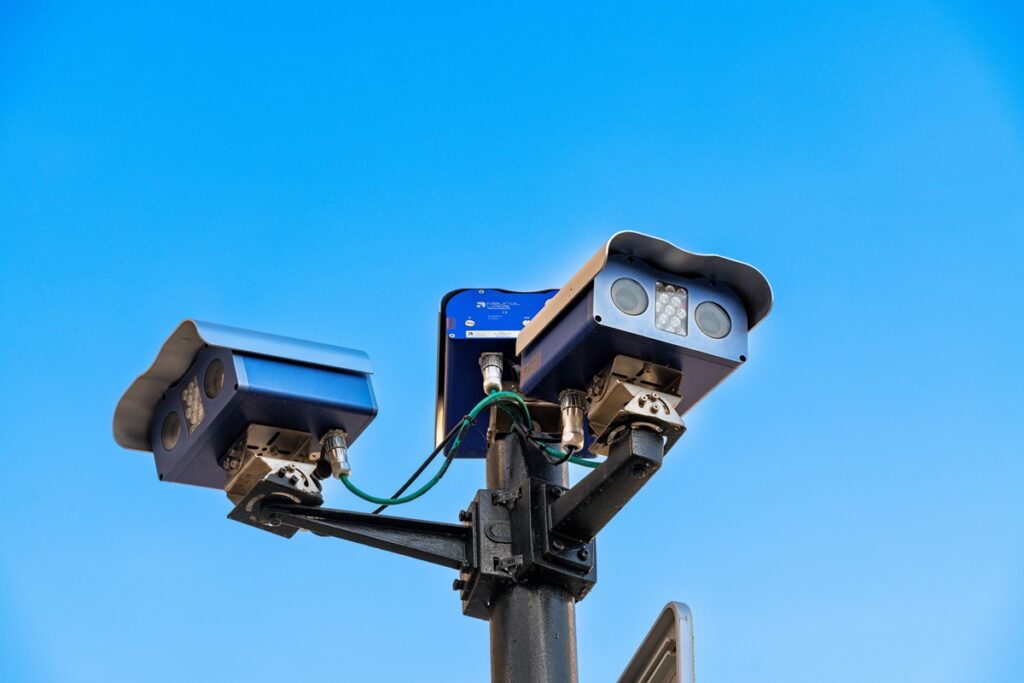
Privacy experts are questioning the capabilities of next generation traffic cameras. Credit : gph-foto.de, Shutterstock
Most drivers assume roadside traffic cameras are only interested in one thing: reading number plates. But privacy experts are warning that the next generation of traffic cameras could collect far more information than many motorists realise.
The technology attracting attention combines automatic number plate recognition (ANPR) with sensors capable of detecting nearby Bluetooth, WiFi and RFID signals. In theory, that means a camera could identify not only the registration plate of a passing vehicle but also electronic devices travelling inside it, including mobile phones, smartwatches, wireless earphones, connected car systems and even pet microchips. The possibility has sparked a wider debate across Europe about where traffic management ends and personal privacy begins.
Supporters believe the technology could improve transport planning and help authorities understand traffic flows more accurately. Critics argue that combining vehicle data with electronic device identifiers could make it much easier to build detailed movement profiles of ordinary citizens. While these systems are not widely deployed for this purpose, the discussion is growing as roadside technology becomes increasingly sophisticated.
How the new traffic camera technology could work
Traditional ANPR cameras have been used for years by police forces, motorway operators and local authorities.
Their job is straightforward. A camera captures an image of a passing vehicle, reads the registration plate and compares it with relevant databases. The technology helps detect stolen vehicles, enforce speed limits, manage toll roads and monitor traffic conditions.
The latest systems being discussed add another layer.
Alongside the camera sits equipment that can passively detect wireless signals already being emitted by electronic devices nearby.
Most of us carry several devices that continuously communicate using Bluetooth or WiFi. Phones search for connections, smartwatches communicate with mobile handsets, wireless headphones pair automatically and connected vehicles exchange information with onboard systems.
Each of these devices broadcasts technical identifiers.
On their own, those identifiers are simply part of how modern technology works.
The concern begins when those identifiers are captured at exactly the same moment as a vehicle registration plate.
If the same phone, smartwatch and pair of wireless earphones are repeatedly detected inside the same vehicle, they begin to form a pattern.
Over time, that pattern could create what privacy specialists describe as a digital fingerprint.
Rather than identifying only a vehicle, the system could potentially recognise that the same collection of devices regularly travels together, follows particular routes or appears at the same locations.
That level of detail goes well beyond what conventional traffic cameras were originally designed to collect.
Why privacy experts are worried
Much of the debate focuses on whether the information involved should be treated as personal data.
Within the European Union, the General Data Protection Regulation (GDPR) already recognises that certain electronic identifiers can qualify as personal data if they make it possible to distinguish or follow an individual.
That is where the legal questions begin. A registration plate alone already provides information that must be handled carefully.
When it is linked with Bluetooth identifiers, WiFi signals or RFID tags, the amount of information available increases considerably.
Privacy specialists argue that repeated observations could reveal far more than where a vehicle has travelled.
They could potentially show which devices regularly travel together, whether someone has changed vehicles, or whether the same electronic devices appear at particular addresses every day.
The technology would not be limited to mobile phones either.
Depending on the sensors installed, it could potentially detect smartwatches, wireless headphones, fitness trackers, tyre pressure monitoring systems, RFID access cards, Bluetooth tracking devices and even identification chips used for pets.
Cybersecurity experts have also raised another issue.
Traffic camera systems already store large amounts of location related information. If future systems collected additional electronic identifiers, they could become even more valuable targets for hackers looking to obtain movement data or personal travel patterns.
For that reason, privacy campaigners say any future use would require particularly strict security standards, clear limits on data retention and complete transparency about how the information is processed.
The debate is really about where technology should stop
Supporters of these technologies argue that they could offer genuine benefits.
Understanding how vehicles move around towns and cities allows authorities to improve road layouts, reduce congestion and make better transport decisions.
More detailed mobility data could also help police investigations in specific cases where identifying patterns of movement is important.
Critics do not necessarily dispute those possible advantages.Instead, they question whether collecting additional information about electronic devices carried by ordinary drivers is proportionate.
Another concern is that most people would have no idea the information was being collected.
Unlike downloading an app or accepting website cookies, there may be no obvious interaction from the user’s point of view.
Simply getting into a car with Bluetooth switched on, wearing a smartwatch or carrying wireless earphones could be enough for nearby equipment to detect those signals if the technology were being used.
That possibility is why privacy organisations believe public discussion should happen before such systems become widespread.
Citizens, they argue, should know exactly what data is being collected, who has access to it, how long it is stored and what safeguards exist to prevent misuse.
At the moment, much of this debate remains focused on what the technology is capable of rather than how extensively it is currently being used.
Even so, it reflects a broader challenge facing governments across Europe.
Traffic cameras were introduced to improve road safety and enforce the law. As digital technology evolves, their potential capabilities continue to expand.
Whether those new capabilities are eventually embraced, restricted or rejected will depend not only on what technology can do, but also on how comfortable the public is with the balance between smarter roads and stronger privacy protections.
Follow Euro Weekly News on Google News
Get breaking news from Spain, travel updates, and expat stories directly on your Google News feed.
Follow on Google NewsSign up for personalised news
Subscribe to our Euro Weekly News alerts to get the latest stories into your inbox!
By signing up, you will create a Euro Weekly News account if you don't already have one. Review our Privacy Policy for more information about our privacy practices.




Farah Mokrani
Farah is a journalist and content writer with over a decade of experience in both digital and print media. Originally from Tunisia and now based in Spain, she has covered current affairs, investigative reports, and long-form features for a range of international publications. At Euro Weekly News, Farah brings a global perspective to her reporting, contributing news and analysis informed by her editorial background and passion for clear, accurate storytelling.
Comments