New migrant regularisation data as June 30 deadline looms: Can we have TIE renewal appointments back now?
By Adam Woodward • Published: 29 Jun 2026 • 18:21 • 2 minutes read
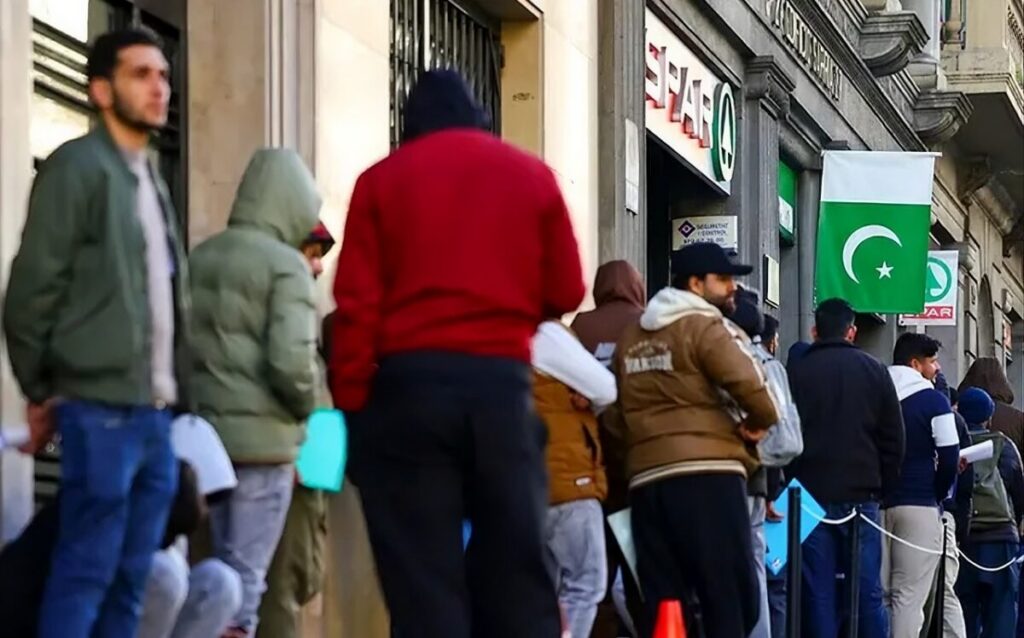
Waiting for extraordinary regularisation of immigrant status. Credit: CSIF Instagram
With Spain’s extraordinary migrant regularisation process closing at the end of June, fresh data reveals both the scale of the plan and the mounting bureaucratic headaches it has created for everyone involved.
According to figures released on Monday, June 29, from the Fundación para la Ciudadanía Global, an accredited NGO helping with applications and vulnerability certificates, applications have reached around one million. This is far more than the government’s original estimate of roughly 500,000.
Key new breakdowns include the following:
- Colombia represents around 30 per cent of requests, Morocco ~14 per cent, and Venezuela ~10 per cent, with nearly seven in ten applicants coming from Latin America overall.
- 34 per cent of applicants have been in Spain for less than one year (27.8 per cent for 1–2 years).
- The majority are young, with over half under 35 and the largest single group aged 26–35.
While the programme plans to bring hundreds of thousands of workers into the formal economy, the sheer volume has overwhelmed the system, leading to long queues and severe delays in appointments, including for TIE residence cards and renewals.
Many long-term foreign residents and expats on the Costa del Sol and elsewhere are now asking: Can we have TIE renewal appointments back to normal? The regularisation rush appears to have absorbed much of the available administrative capacity, leaving others facing extended waits for routine paperwork.
Local impact on southern Spain
This is particularly relevant for residents and businesses across Andalucia. Sectors such as tourism and hospitality, construction, and caregiving, which already rely heavily on Latin American and Moroccan workers, stand to benefit from greater workforce stability once permits are processed.
However, the short-term strain is real, with applications doubling expectations; concerns are growing about knock-on effects on housing, local services, and the speed at which new TIE cards can be issued to successful applicants.
Euro Weekly News has covered the regularisation process extensively throughout 2026, from the initial 500,000 target and appointment chaos in spring through to the 900,000 milestone reported in mid-June. Public opinion is still divided, with many acknowledging labour needs while worrying about pressure on public resources.
What readers are experiencing
Expats and European foreign residents have reported major difficulties booking TIE renewals or related appointments in recent months, with slots disappearing quickly or being prioritised for regularisation cases. The situation echoes earlier complaints about the system’s overload during the application window.
As the deadline passes, the focus will shift to processing times, work permit formalisation, and clearing the backlog so that routine services, including TIE renewals, can return to normal.
The Fundación para la Ciudadanía Global and other supporting organisations have played a key role in assisting vulnerable applicants, but calls are increasing for additional resources to handle both the regularisation wave and continuing residency needs.
Follow Euro Weekly News on Google News
Get breaking news from Spain, travel updates, and expat stories directly on your Google News feed.
Follow on Google NewsSign up for personalised news
Subscribe to our Euro Weekly News alerts to get the latest stories into your inbox!
By signing up, you will create a Euro Weekly News account if you don't already have one. Review our Privacy Policy for more information about our privacy practices.



Adam Woodward
Adam is a writer who has lived in Spain for over 25 years. With a background in English teaching and a passion for music, food, and the arts, he brings a rich personal perspective to his work at Euro Weekly News. As a father of three with deep roots in Spanish life, Adam writes engaging stories that explore culture, lifestyle, and the everyday experiences that shape communities across Spain.
Comments