Europe tourists swap scorching summer streets for Finland’s lakes, forests and cooler nights
By Harry Dennis • Published: 01 Jul 2026 • 13:31 • 3 minutes read
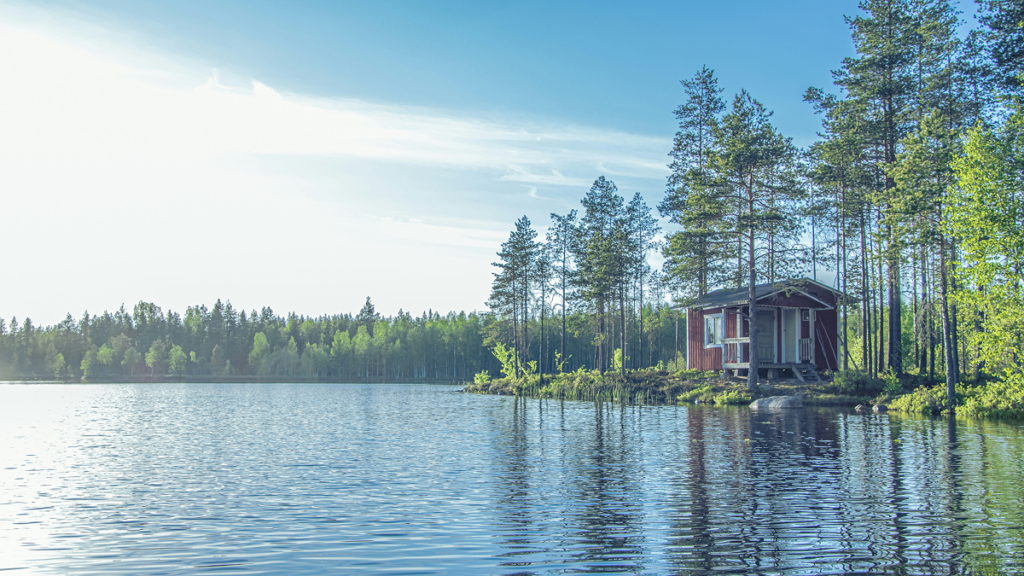
Finland’s lakes and forests are becoming part of Europe’s cooler summer escape. Credit: Juho Luomala / Unsplash
As southern Europe is facing a summer of dangerous heat, new travel and climate research suggests more holidaymakers are looking north for cooler, calmer breaks. Finland’s lakes, forests and summer cottages are being marketed as an escape, but the shift also shows how heat is changing the way Europeans plan holidays.
How extreme heat is changing Europeans summer holiday planning
For many European travellers, the traditional summer formula of sun, sea and packed Mediterranean resorts is starting to feel a little more sweaty.
Spain, Italy, Greece, Portugal and southern France remain hugely popular. But the reality of travelling during a heatwave is getting harder to ignore. Walking around cities becomes exhausting, children and older relatives need more shade and rest, terrace meals can become uncomfortable, and sightseeing often has to be pushed into early mornings or late evenings.
That discomfort is now showing up in people’s travel behaviour. Trip.com Group reported a 74 per cent year-on-year rise in searches for cooler destinations and “coolcations” since the start of 2026, with summer searches for cooler escapes up 237 per cent from June to August last year compared with the same period in 2024.
The European Travel Commission also said in April that 82 per cent of Europeans planned to travel between April and September 2026, the highest level since 2020. Yet the same report found travellers are becoming more selective, with safety, stable weather and value for money influencing destination choices.
Could Finland become one of Europe’s alternative summer escapes?
Finland is well placed to benefit from that shift because its summer offer is the opposite of a crowded beach break.
Visit Finland’s 2026 “Chill Like a Finn” campaign is focused on Finnish Lakeland, promoting lakeside cottages, sauna, cold dips, forest walks, local food and time away from screens. The tourism body describes Finnish Lakeland as Europe’s largest lake district, with hundreds of lakes and islands surrounded by forests.
Heli Jimenez, Senior Director of International Marketing at Business Finland, said Lakeland remains “an undiscovered gem for many” and described it as the region Finns return to when they want to relax.
That is what’s creating the pull for heat-weary travellers: not just lower temperatures, but the promise of space, sleep, quiet evenings and outdoor activity that does not revolve around avoiding the midday sun and over-crowded beaches.
How the latest heatwave is adding urgency for travellers
The timing is important. Europe has entered summer 2026 with serious heat warnings already affecting travel and daily life.
Spain recorded 1,029 excess deaths attributed to heat in June, after a five-day heatwave with temperatures above 40°C made it the country’s second-hottest June on record. Spain’s state meteorological agency, AEMET, said average temperatures were 3.2°C above normal.
World Weather Attribution, a scientific collaboration that studies the role of climate change in extreme weather, said that temperatures across France, Germany, Italy, Spain and southern England during the first heatwave ranged from 5°C to 12°C above seasonal averages.
Copernicus Marine Service data also showed sea surface temperature anomalies of about 6°C in parts of the western Mediterranean at the end of June, particularly off southern France and western Italy.
For holidaymakers, these figures turn into important practical questions: whether accommodation has reliable air-con, if travel insurance covers disruption, whether sightseeing is realistic in peak afternoon heat, and whether a cooler destination might make the trip easier for children, older travellers or anyone sensitive to heat.
Some things to bear in mind before booking a coolcation
Finland’s rise as a cooler summer alternative does not mean the north is untouched by the same climate pressures reshaping holidays elsewhere in Europe.
Northern Europe has also faced unusually warm spells, and a Finnish summer is not always the effortless escape suggested by postcard images of lakes, forests and empty cabins. Rural trips can mean higher costs, mosquitoes, long distances and limited public transport once travellers move beyond Helsinki and the main cities.
The coolcation trend is less about replacing the Mediterranean than adding a new option to summer travel. Spain, Italy, Greece and Portugal remain among Europe’s strongest holiday draws, but heat now sits alongside price, flight access, accommodation and family comfort when people decide where to go.
For Finland, the opportunity is there for the taking. Its lakes and forests are no longer being sold only as scenery, but as relief: space to sleep, walk, swim and spend time outside when parts of southern Europe are struggling through hotter, harder summers.
Follow Euro Weekly News on Google News
Get breaking news from Spain, travel updates, and expat stories directly on your Google News feed.
Follow on Google NewsSign up for personalised news
Subscribe to our Euro Weekly News alerts to get the latest stories into your inbox!
By signing up, you will create a Euro Weekly News account if you don't already have one. Review our Privacy Policy for more information about our privacy practices.


Harry Dennis
Born in the UK and raised on the Cádiz coast, Harry brings his background in design, music, and photography to his writing for Euro Weekly News, sharing stories that celebrate culture and lifestyle across Spain and beyond.
Comments