Spain Tour de France fans warned extreme heat could force cancellations for first time in history
By Harry Dennis • Updated: 03 Jul 2026 • 19:07 • 4 minutes read
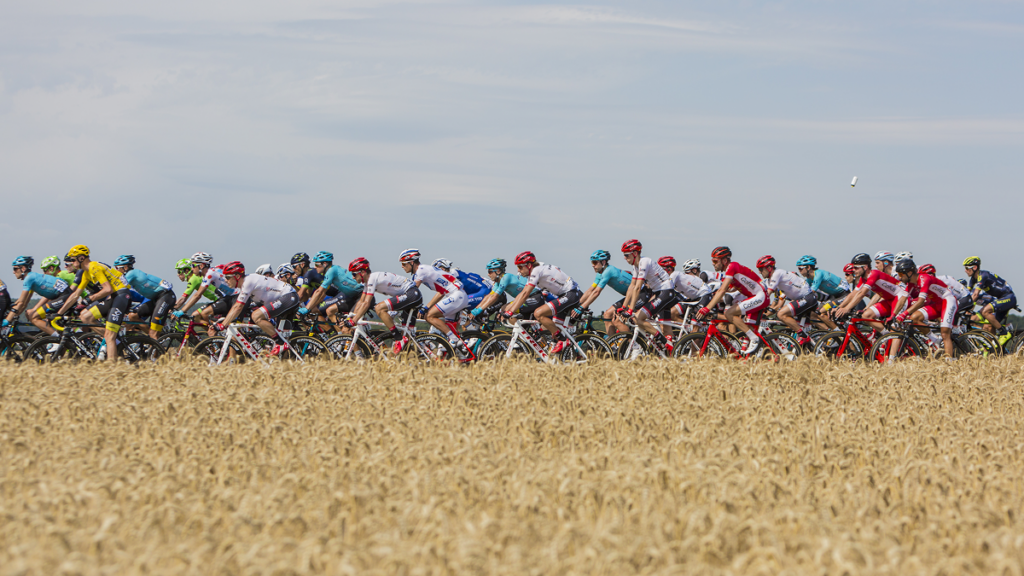
Tour de France fans in Spain could face extreme heat as well as road closures and cancellations. Credit: Radu Razvan / Shutterstock
Cycling fans lining Cataluña’s roads this weekend may face more than traffic closures and crowds. As Spain and France brace for another surge of extreme heat, Tour de France officials have raised the possibility of route changes, earlier starts or even the race’s first heat-related stage cancellation.
Roadside fans in Cataluña face heat as well as road closures and disruptions
The Tour de France begins in Barcelona on Saturday, July 4, but the first drama of the race may not come from the race itself.
Extreme heat across Spain and France has pushed rider and spectator safety into the centre of race planning, with officials openly discussing how the world’s most famous cycling event could be affected if temperatures become dangerous.
The opening three stages run through Cataluña. Stage one is a 19.6km team time trial in Barcelona, finishing at Montjuïc. Stage two runs from Tarragona to Barcelona on Sunday July 5, while stage three leaves Granollers on Monday July 6, and heads into the Pyrenees towards Les Angles in France.
For cycling fans travelling to the roadside, the concern is not only whether the peloton can continue. It is also about standing for hours in crowded streets, reaching viewing points during road closures, finding shade and getting away safely if conditions become too much.
How the extreme heat could change the Tour de France route
The Tour has been disrupted before by war, strikes, civil unrest, bad weather and the pandemic. However, according to Guardian reporting from Barcelona, a stage has never previously been cancelled because of extreme heat.
Thierry Gouvenou, the Tour’s technical director, told the paper that the risk was “very much” on organisers’ minds, while temperatures as high as 44C have been forecast in parts of Spain and France in the coming days.
Professional cycling now has a formal High Temperature Protocol under the Union Cycliste Internationale (UCI), the sport’s world governing body. The protocol allows emergency discussions when high temperatures pose a risk, and can lead to measures such as shaded start areas, cold drinks and ice during the race, extra refuelling motorbikes, adjusted start times, neutralised sections or route changes.
The UCI says final decisions depend on local conditions and the people involved in the emergency meeting. That means there is no automatic cancellation point based on a single temperature reading.
Sunday’s Tarragona to Barcelona stage falls in the heatwave window
Sunday’s second stage is the one attracting the most attention. It covers 168.5km from Tarragona to Barcelona, with the official Tour schedule listing a neutralised start at 1.45pm and an expected finish at 5.26pm.
Those hours are of course the hardest to manage due to the heat, especially on exposed roads, crowded pavements and urban areas where tarmac and buildings hold and reflect the warmth.
For the riders, heat stress can affect many aspects of their performance, from concentration, to hydration, circulation and the body’s ability to cool itself. For spectators, the risk lies especially among older people, children, people with heart or respiratory conditions and anyone waiting in direct sun without enough water.
Barcelona’s official Grand Départ mobility advice already asks spectators to check traffic updates before travelling, use public transport where possible, stay in designated areas, bring water, wear light clothing and protect themselves from the sun. In an emergency, Spain’s emergency number is 112.
Spain’s heat risk map can change street by street
Spain’s weather warnings and health warnings are not exactly the same thing. The Agencia Estatal de Meteorología (AEMET), Spain’s state weather agency, issues meteorological alerts for adverse weather. The Ministry of Health also runs a heat-health system called Meteosalud, which divides Spain into 182 health risk zones.
Meteosalud looks at how high temperatures affect health in each area, not just how hot the thermometer appears. The ministry’s map can be searched by province and municipality, making it useful for residents and visitors checking a specific town before travelling.
On Friday, July 3, El País, using Ministry of Health and AEMET data, reported hundreds of Spanish municipalities under heat-related health risk alerts, with the highest concern concentrated in parts of inland and southern Spain. AEMET has also warned that another rise in temperatures could affect much of the country from the weekend, with parts of the south-east potentially reaching 42C to 44C early next week.
That does not mean every Tour viewing point in Cataluña will face the same level of danger. Coastal areas, inland valleys, city streets and mountain sections can all feel different. Spectators must bear in mind to check local warnings on the day, and not rely only on a national forecast.
Race plans now depend on heat, roads and emergency services
For now, no Tour de France stage has been cancelled because of the latest heat risk. Any change would depend on race officials, UCI representatives, local authorities, emergency services, medical teams and the latest conditions on the route.
Small adjustments may be more likely than full cancellation, such as extra cooling measures, changes to food break rules, altered start arrangements or shortened sections. However, the fact cancellation is even being discussed shows how quickly the extreme heat being felt in Europe is affecting European sporting events.
For people planning to watch the Tour in Spain, the event should be treated like a heat-risk day as well as a sporting occasion: check the route, check municipal heat alerts, avoid long waits in full sun, carry water, choose shaded or accessible viewing spots when possible and follow instructions from police, volunteers and Civil Protection staff.
Follow Euro Weekly News on Google News
Get breaking news from Spain, travel updates, and expat stories directly on your Google News feed.
Follow on Google NewsSign up for personalised news
Subscribe to our Euro Weekly News alerts to get the latest stories into your inbox!
By signing up, you will create a Euro Weekly News account if you don't already have one. Review our Privacy Policy for more information about our privacy practices.


Harry Dennis
Born in the UK and raised on the Cádiz coast, Harry brings his background in design, music, and photography to his writing for Euro Weekly News, sharing stories that celebrate culture and lifestyle across Spain and beyond.
Comments