Practical materials for coastal home renovations in damp climates
By Guest Writer • Published: 10 Jul 2026 • 10:34 • 3 minutes read
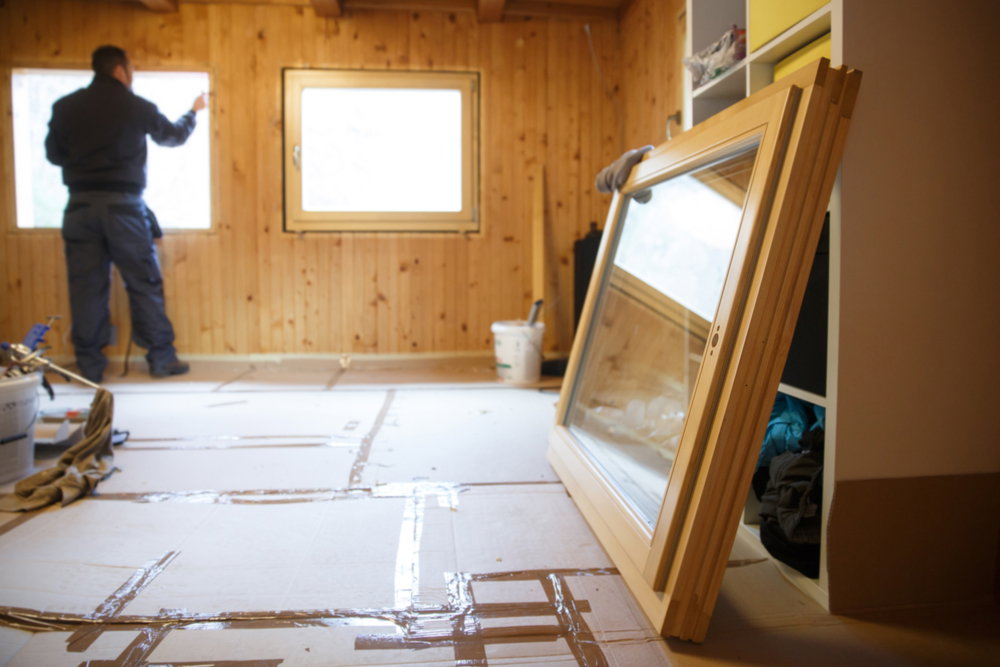
Image: Zlikovec/Shutterstock.com
Salt air eats things. Anyone who has owned a coastal property in Spain knows this firsthand. The paint peels faster, metal fixtures corrode within months, and wood that looked perfectly fine in a Madrid showroom starts warping the moment it meets the Mediterranean breeze. Renovating a home near the coast demands a different mindset, one that prioritises resilience over aesthetics alone.
Whether you’re restoring a villa along the Costa del Sol or updating an apartment in Cádiz, choosing the right materials can save you thousands of euros in future repairs. Here’s what actually works.
Why coastal climates are so brutal on buildings
Humidity levels along Spain’s coastline regularly hover between 70% and 85%. Combine that with salt-laden winds and intense summer UV exposure, and you’ve got a recipe for accelerated material degradation. Standard interior materials often fail within two to three years in these conditions.
The biggest culprits? Moisture infiltration and salt crystallisation. When salt particles settle on surfaces and absorb water from the air, they expand. This micro-level pressure cracks paint, corrodes metal, and weakens wood fibres. Understanding this process helps explain why some materials hold up beautifully while others crumble.
Wood that can handle the coast
Choosing the Right Grade
Not all wood is equal in damp environments. Standard plywood and softwoods like pine are essentially a temporary solution near the coast. They absorb moisture, swell, and eventually rot. For structural elements, cabinetry, or exterior applications, you need something built to resist water penetration at a fundamental level.
Marine plywood is specifically manufactured with waterproof adhesive between its layers, making it far more resistant to delamination and fungal attack. It’s widely used in boat building, which tells you everything about its tolerance for moisture. For bathroom vanities, outdoor kitchen frameworks, or storage built into terraces, it’s one of the smartest choices you can make.
Tropical hardwoods and alternatives
Teak, iroko, and accoya are excellent for exterior decking and window frames. Teak naturally produces oils that repel water. Accoya, a modified softwood treated through acetylation, offers 50-year durability guarantees above ground. It costs more upfront, but replacement cycles drop dramatically. For those on a tighter budget, thermowood (thermally treated pine) provides decent moisture resistance at a lower price point.
Metals and hardware that won’t corrode
Stainless steel grade 316 is the standard for coastal hardware. Grade 304, which is cheaper and more common, still corrodes in salty air. The difference in price is roughly 20% to 30%, but the longevity gap is enormous. Hinges, screws, railings, and door handles should all be 316 grade if they’re anywhere near exterior exposure.
Aluminium with powder coating performs well for window frames and balustrades. Bronze and brass also resist salt corrosion naturally, and they develop an attractive patina over time that many homeowners along the Spanish coast actually prefer.
Walls, floors, and finishes
Tile and natural stone
Porcelain tiles with a water absorption rate below 0.5% are ideal for both floors and walls. They’re practically impervious to moisture. Natural stone works too, but it needs proper sealing. Limestone, popular in many Andalusian homes, is porous and requires annual treatment with an impregnating sealer to prevent salt damage.
Paints and coatings
Silicone-based exterior paints outperform acrylics in coastal settings. They allow walls to breathe while repelling water. Brands like Jotun and Hempel, both developed for marine environments, offer formulations that resist salt and UV degradation far longer than standard household paints. Expect to repaint every five to seven years rather than every two.
For interior walls, lime-based plasters are making a strong comeback in Mediterranean renovations. They regulate humidity naturally, resist mould growth, and suit the traditional aesthetic of many Spanish coastal homes perfectly.
Practical tips before you start
Ventilation matters as much as materials. Even the best moisture-resistant products fail in poorly ventilated spaces. Cross-ventilation design should be part of any coastal renovation plan.
Test your contractor’s coastal experience. A builder who has worked primarily inland may not understand salt exposure challenges. Ask for references from previous seaside projects.
Budget for quality fixings. Cheap screws and brackets are often the first point of failure. Spending an extra €200 to €400 on marine-grade fixings across a full renovation pays for itself within three years.
Plan maintenance into your calendar. Even the best materials need periodic attention. A simple annual inspection of seals, coatings, and exposed timber prevents small problems from becoming expensive ones.
Coastal living in Spain is a privilege millions dream about. Protecting that investment requires choosing materials designed for the reality of salt, sun, and humidity. Spend wisely now, and your renovation will still look sharp a decade from today.
Follow Euro Weekly News on Google News
Get breaking news from Spain, travel updates, and expat stories directly on your Google News feed.
Follow on Google NewsSign up for personalised news
Subscribe to our Euro Weekly News alerts to get the latest stories into your inbox!
By signing up, you will create a Euro Weekly News account if you don't already have one. Review our Privacy Policy for more information about our privacy practices.




Guest Writer
Comments