New driving rules in Spain from 1 October: The changes every driver, cyclist and pedestrian needs to know
By Farah Mokrani • Published: 11 Jul 2026 • 23:38 • 3 minutes read
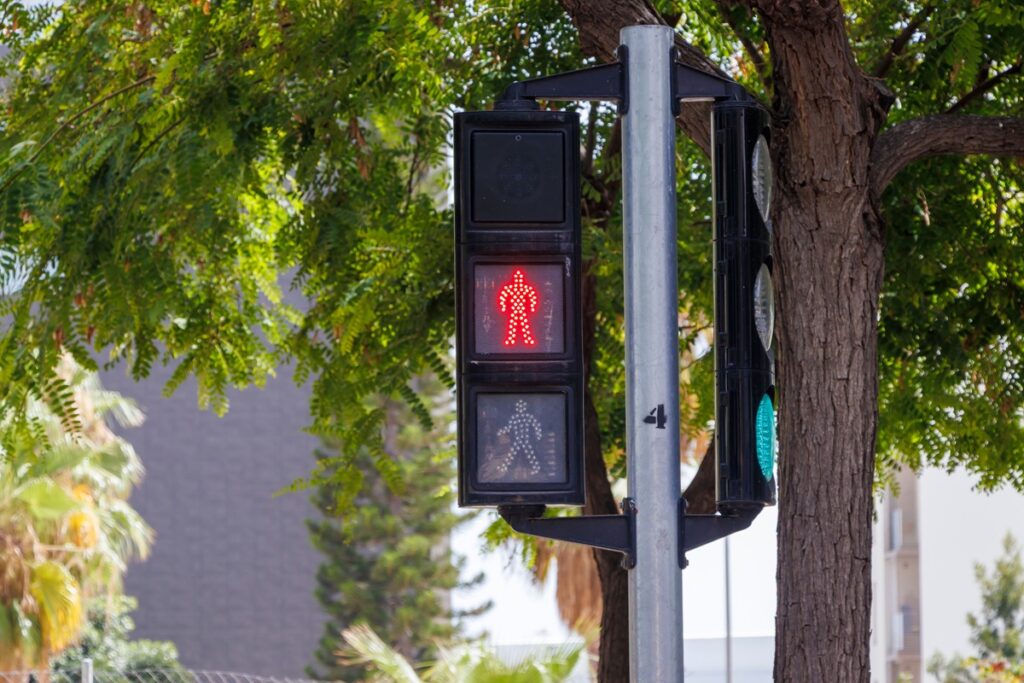
Spain's updated traffic rules will introduce new measures to improve safety for pedestrians and cyclists from 1 October 2026. Credit : daily_creativity, Euro Weekly News
If you drive in Spain, there are new road rules coming into force on 1 October 2026 that could affect your daily journeys. The changes are designed to make urban streets safer, particularly for pedestrians and cyclists, but they also introduce new responsibilities for motorists and professional drivers.
From traffic lights to overtaking cyclists and seat belt requirements, several long standing rules are being updated. While many of the changes are aimed at improving safety rather than introducing tougher penalties, failing to follow the new regulations could still lead to fines.
Here’s what will change and why it matters.
Spain updates traffic rules to make city streets safer
The Spanish government has approved a reform of the General Traffic Regulations (Reglamento General de Circulación), introducing a new section dedicated entirely to driving in urban areas.
Cities have changed dramatically over the past decade, with more bicycles, electric scooters and pedestrians sharing the same streets. The updated rules are intended to reduce conflicts between different road users and create clearer priorities at junctions and crossings.
One of the biggest changes concerns traffic lights at pedestrian crossings.
From 1 October, flashing amber lights for vehicles will no longer be allowed to operate at the same time as a green signal for pedestrians at the same crossing.
Although the previous arrangement was legal in certain situations, it often caused uncertainty. Drivers could interpret the flashing amber light as permission to continue with caution, while pedestrians assumed they had clear priority because their signal was green.
The new rule removes that overlap entirely, making crossings easier to understand for everyone.
For pedestrians, the change should make crossing the road more predictable. For drivers, it means paying closer attention to updated traffic light sequences in towns and cities across Spain.
Drivers will have new responsibilities around cyclists
Cyclists are also given greater protection under the revised regulations.
The new rules state that cyclists should ride in the centre of their lane whenever appropriate, rather than staying close to the kerb as many currently do.
For motorists, that position must now be respected.
Drivers will also be required to maintain at least five metres of separation from a cyclist travelling ahead in the same lane. The measure is intended to discourage drivers from following bicycles too closely, particularly on busy urban streets where cyclists may need extra room to avoid parked cars, potholes or opening vehicle doors.
Another change could surprise some motorists.
On single lane urban roads with speed limits of 30km/h or less, local councils will be able to authorise cyclists to travel in both directions, even on streets that normally operate as one way systems.
This will only apply where the appropriate road signs are installed, so drivers should pay close attention to new signage introduced by their local authority.
The reform reflects a broader effort to encourage cycling while making interactions between cyclists and motorists more predictable.
Seat belt rules change for professional drivers
Another important change affects professional drivers who work in towns and cities.
Until now, certain professional drivers were exempt from wearing a seat belt while driving in urban areas under specific circumstances.
From 1 October 2026, that exemption will largely disappear.
Professional drivers will be expected to wear their seat belt in the same way as other motorists. Only a small number of exceptions will remain, including cases supported by certified medical reasons and certain reversing or parking manoeuvres.
The government believes the change reflects modern vehicle safety standards and removes an exception that no longer aligns with current road safety policy.
Some new requirements will not apply until 2027
Although the main reforms take effect on 1 October 2026, not every measure will begin immediately.
The government has allowed extra time for manufacturers, retailers and public authorities to prepare for two additional changes.
From 1 October 2027, personal mobility vehicles, including electric scooters covered by the regulation, will be required to have built in lighting.
The same date will also mark the introduction of a stricter rule for moped helmets. Riders will need to wear approved helmets, replacing the current requirement for helmets that are simply certified.
The staggered timetable is intended to give manufacturers and users enough time to adapt before the new technical requirements become mandatory.
For anyone living or driving in Spain, these changes are worth knowing before they take effect. Whether you drive every day, cycle to work or simply cross busy streets on foot, the updated regulations are designed to make urban roads clearer and safer for everyone. Spending a few minutes familiarising yourself with the new rules now could help you avoid confusion and unnecessary fines once they come into force in October.
Follow Euro Weekly News on Google News
Get breaking news from Spain, travel updates, and expat stories directly on your Google News feed.
Follow on Google NewsSign up for personalised news
Subscribe to our Euro Weekly News alerts to get the latest stories into your inbox!
By signing up, you will create a Euro Weekly News account if you don't already have one. Review our Privacy Policy for more information about our privacy practices.





Farah Mokrani
Farah is a journalist and content writer with over a decade of experience in both digital and print media. Originally from Tunisia and now based in Spain, she has covered current affairs, investigative reports, and long-form features for a range of international publications. At Euro Weekly News, Farah brings a global perspective to her reporting, contributing news and analysis informed by her editorial background and passion for clear, accurate storytelling.
Comments