Spain’s forests have become a tinderbox: Decades of neglect are fuelling the next wildfire
By Molly Grace • Published: 15 Jul 2026 • 18:57 • 3 minutes read
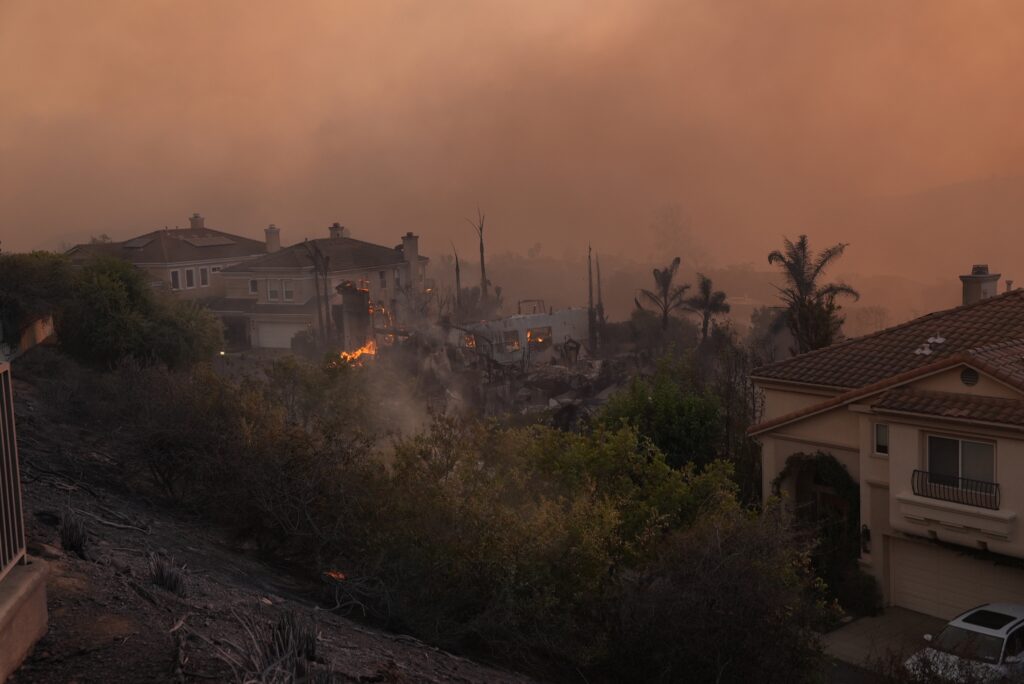
Wildfires do not become catastrophic simply because temperatures rise. Photo credit: GrantSmithCamera/Shutterstock
Another summer, another wave of wildfires sweeping across Spain, as flames continue to tear through parts of the country, firefighters are once again battling extreme conditions, residents are being forced to leave their homes and communities are watching helplessly as landscapes they know and love are transformed into ash. Heatwaves, drought and strong winds are often blamed when Spain burns, and they are undoubtedly major factors. But there is another part of the story that is receiving increasing attention.
Spain’s forests have changed, years of rural abandonment, reduced forest management and the disappearance of traditional grazing have left large areas of countryside carrying far more vegetation than in the past. And when that vegetation dries out under the summer sun, it becomes fuel waiting for a spark.
A hidden problem beneath the flames
Wildfires do not become catastrophic simply because temperatures rise, they become catastrophic when there is enough material available to burn. For generations, Spain’s rural landscapes were constantly managed. Farmers cleared land, woodland was maintained and livestock moved through forests and hillsides, naturally reducing the amount of dry vegetation.
That balance has changed, as rural populations have declined and traditional farming has become harder to sustain, many areas of countryside have been left unmanaged. Fields have become overgrown, paths have disappeared and forests have become increasingly dense. The result is a landscape where fires can spread faster and burn with greater intensity than they once did.
The countryside Spain once knew is disappearing
The transformation has been gradual, making it easy to overlook, across rural Spain, villages that were once full of agricultural activity have lost residents as younger generations moved away. Traditional jobs linked to the land have declined, and with them many of the practices that helped keep vegetation under control.
What was once a carefully managed relationship between people and nature has become a challenge. Forests are essential for biodiversity, wildlife and the environment, but unmanaged growth can create dangerous conditions during extreme weather. The problem is particularly serious in areas where woodland sits close to homes and communities, creating the risk that a wildfire can quickly move from rural areas towards populated zones.
The return of Spain’s natural fire prevention team
One of the most surprising solutions comes from an old tradition, farm animals such as sheep and goats once played an important role in maintaining Spain’s landscapes. By grazing on shrubs and dry vegetation, they helped reduce the amount of material available to fuel fires. Today, as extensive livestock farming declines, many of those natural “firefighters” have disappeared.
In some parts of Spain, grazing animals are being brought back as part of wildfire prevention programmes. The idea is simple: reducing vegetation before summer arrives can help slow down fires when they eventually occur, tt is not a replacement for firefighters or emergency services, but it is another tool in preventing small fires from becoming uncontrollable disasters.
Why Spain’s firefighters face an increasingly difficult battle
Spain has some of Europe’s most experienced wildfire teams, supported by aircraft, helicopters and specialist emergency units, but even the most advanced equipment has limits. When fires enter landscapes filled with dry scrub and dense vegetation, they can become unpredictable and extremely difficult to contain.
Strong winds can push flames across huge areas in a matter of hours, leaving little time for communities to react, the challenge is not only putting out fires once they begin, it is reducing the conditions that allow them to become so destructive in the first place.
A warning Spain cannot ignore
The country’s wildfire crisis is not caused by one single factor, climate change is increasing the pressure on Mediterranean landscapes, bringing hotter and drier conditions. But the way land is managed also plays a crucial role in determining how severe the consequences will be.
Every abandoned field, every unmanaged forest and every loss of traditional rural activity adds to the challenge facing Spain during the summer months. Preventing future disasters will require investment in woodland management, support for rural communities and a rethink of how the countryside is maintained.
Because once flames are visible on the horizon, much of the damage has already been set in motion. Spain cannot stop every heatwave or prevent every spark. But reducing the amount of fuel waiting beneath its forests could determine whether the next fire becomes a contained emergency or another devastating wildfire. The battle against Spain’s wildfires may be fought with water and aircraft when the flames arrive, but it begins much earlier, among the trees.
Follow Euro Weekly News on Google News
Get breaking news from Spain, travel updates, and expat stories directly on your Google News feed.
Follow on Google NewsSign up for personalised news
Subscribe to our Euro Weekly News alerts to get the latest stories into your inbox!
By signing up, you will create a Euro Weekly News account if you don't already have one. Review our Privacy Policy for more information about our privacy practices.


Molly Grace
Molly is a British journalist and author who has lived in Spain for over 25 years. With a background in animal welfare, equestrian science, and veterinary nursing, she brings curiosity, humour, and a sharp investigative eye to her work. At Euro Weekly News, Molly explores the intersections of nature, culture, and community - drawing on her deep local knowledge and passion for stories that reflect life in Spain from the ground up.
Comments