Eclipse fever grips Spain as little-known destinations see hotel demand soar
By Molly Grace • Published: 04 Aug 2026 • 22:00 • 2 minutes read
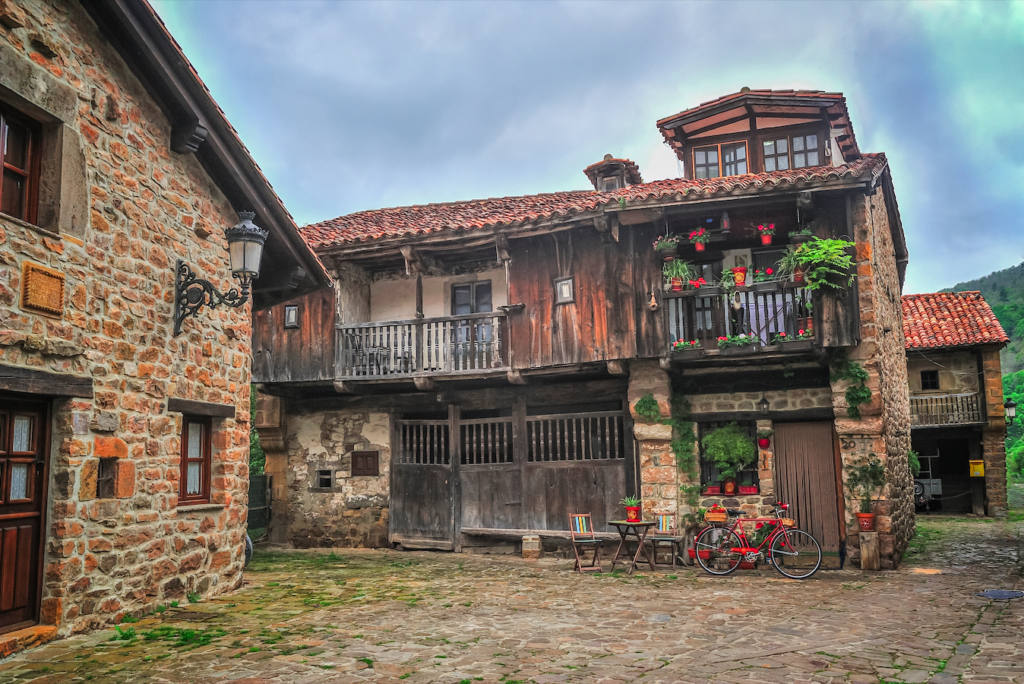
The surge in demand is bringing attention to lesser-known destinations. Photo credit: Agorca/shutterstock
Spain is preparing for an unusual tourism boom as thousands of visitors turn their attention away from the traditional coastal destinations and towards rural areas expected to offer some of the best views of the upcoming solar eclipse. Hotels and accommodation providers in inland and northern parts of the country are already seeing a dramatic rise in interest, with travellers searching for remote locations where clear skies and low light pollution could provide the perfect conditions for witnessing the rare astronomical event.
The surge in demand is bringing attention to lesser-known destinations, with areas that normally attract fewer international visitors suddenly finding themselves at the centre of global interest.
Hotel searches soar as eclipse attracts visitors
The total solar eclipse taking place on August 12 has triggered a sharp increase in accommodation searches, with some areas recording rises of more than 500 per cent compared with normal periods. The figures, based on accommodation search data from Booking.com, show the growing appeal of inland Spain as visitors plan their trips around the celestial event.
Soria has experienced the biggest increase among the destinations analysed, with international searches rising by 522 per cent. Other provinces along the eclipse path have also seen significant growth, including León, where searches increased by 356 per cent, Palencia by 345 per cent and Burgos by 325 per cent.
The rise is not limited to Castilla y León, with destinations including Teruel, Lugo, Valladolid and Oviedo also recording notable increases as travellers look for the best locations to experience the eclipse.
Rural Spain prepares for unprecedented visitors
The event is expected to provide a major boost for rural tourism businesses, many of which traditionally face challenges attracting visitors outside peak holiday periods. Hotels, rural houses and local businesses are now preparing for an influx of visitors hoping to witness one of nature’s most spectacular displays. Unlike traditional summer tourism, which is often concentrated along Spain’s beaches, the eclipse is directing attention towards inland provinces known for their landscapes, historic towns and darker skies.
Areas with less artificial lighting are particularly attractive because they offer better visibility during the eclipse. Rural communities that are often overlooked by international tourists are now benefiting from worldwide interest generated by the astronomical event.
Spain becomes prime eclipse destination
Spain will be one of the few European countries where the total solar eclipse can be observed, making it a prime destination for astronomy enthusiasts and travellers from around the world. The phenomenon occurs when the Moon passes directly between the Earth and the Sun, temporarily blocking sunlight and creating a period of darkness during the day. For many visitors, the chance to experience totality is considered a once-in-a-lifetime opportunity.
Tour operators, accommodation providers and local authorities have been promoting viewing locations across northern and central Spain, highlighting areas with favourable weather conditions and open landscapes.
Businesses expect lasting tourism boost
While the immediate impact is being seen through hotel searches and bookings, many local businesses hope the eclipse will leave a longer-lasting legacy by introducing new visitors to rural Spain. Restaurants, cultural attractions and activity providers are preparing special events and experiences linked to the eclipse, hoping visitors will extend their stays beyond the few hours surrounding the event itself.
For provinces such as Soria, Palencia and Burgos, the attention represents an opportunity to showcase their natural beauty and attract future visitors who may not previously have considered travelling inland. The eclipse has transformed Spain’s rural heartlands into some of the most sought-after destinations of the summer, proving that major tourism moments are not always found beside the sea. As August approaches, expectations continue to rise that the skies above Spain will bring an unexpected economic boost to communities far beyond the traditional holiday hotspots.
Follow Euro Weekly News on Google News
Get breaking news from Spain, travel updates, and expat stories directly on your Google News feed.
Follow on Google NewsSign up for personalised news
Subscribe to our Euro Weekly News alerts to get the latest stories into your inbox!
By signing up, you will create a Euro Weekly News account if you don't already have one. Review our Privacy Policy for more information about our privacy practices.



Molly Grace
Molly is a British journalist and author who has lived in Spain for over 25 years. With a background in animal welfare, equestrian science, and veterinary nursing, she brings curiosity, humour, and a sharp investigative eye to her work. At Euro Weekly News, Molly explores the intersections of nature, culture, and community - drawing on her deep local knowledge and passion for stories that reflect life in Spain from the ground up.
Comments