Spain’s heatwave doesn’t affect everyone equally and your postcode could be the reason
By Molly Grace • Published: 15 Jul 2026 • 23:21 • 3 minutes read
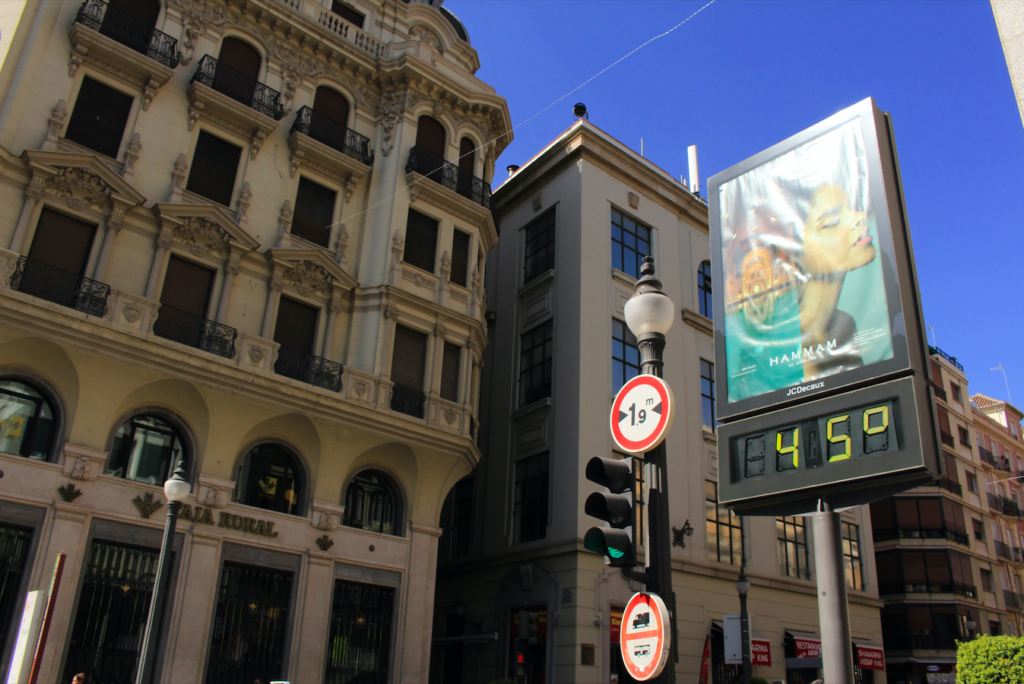
For many households, escaping the heat is easier said than done. Photo credit: RukiMedia/Shutterstock
When temperatures soar above 40°C, it is easy to assume everyone is enduring the same relentless heat, they’re not. In today’s Spain, your postcode can determine whether your street is shaded by mature trees or surrounded by concrete that radiates heat long after sunset. It can decide whether your home stays bearable through the night or turns into an oven.
And for a growing number of households, it can mean the difference between switching on the air conditioning without a second thought or leaving it off because the electricity bill is simply too high. As another intense summer grips the country, staying cool is becoming more than a matter of comfort. For millions of people, it is becoming another form of inequality.
The postcode lottery of summer
Take a walk through two neighbourhoods in the same city on a hot afternoon and the contrast can be remarkable. One may have tree-lined streets, shaded parks and green spaces that naturally lower temperatures. A few kilometres away, another may be dominated by concrete buildings, asphalt roads and very little shade, absorbing the day’s heat before slowly releasing it throughout the evening.
It is a phenomenon known as the urban heat island effect, and it means some neighbourhoods can remain several degrees warmer than others, particularly after dark. That difference matters, night-time is when the body is supposed to recover from the day’s heat. But for thousands of families living in heavily built-up areas, the temperature inside their homes barely falls, making sleep difficult and increasing the risk of heat-related illness.
When staying cool becomes a luxury
For many households, escaping the heat is easier said than done. Spain has one of the highest rates of home ownership in Europe, but many properties were built long before modern insulation standards became the norm. Top-floor apartments, older buildings and homes with poor ventilation can trap heat well into the early hours of the morning. Air conditioning may seem like the obvious answer, but not everyone can afford to install it or keep it running during prolonged heatwaves.
Research in Spain has revealed a shocking divide. Households on higher incomes are far more likely to have access to air conditioning than those on lower incomes, leaving many families relying on fans, open windows or public buildings to find relief. As energy prices and the cost of living continue to put pressure on household budgets, staying cool is becoming a luxury that not everyone can afford.
More than an uncomfortable night
Extreme heat is often dismissed as an inconvenience, but its effects can be far more serious, high overnight temperatures prevent the body from recovering, increasing the risk of dehydration, exhaustion and heatstroke. They can also worsen existing heart and respiratory conditions, particularly among older people and those with underlying health problems.
Lack of sleep caused by persistently hot nights has been linked to increased stress, reduced concentration and poorer mental wellbeing, while families with young children often face days of exhaustion after another restless night. The danger is not always the blistering afternoon sun, sometimes it is the heat that lingers long after darkness falls.
Spain’s summers are changing
There is little doubt that Spain is becoming hotter, heatwaves are arriving earlier, lasting longer and pushing temperatures to levels that were once considered exceptional. Public health alerts have become routine, while local authorities increasingly open climate shelters, libraries and community centres to give residents somewhere to cool down.
But hotter weather is also exposing another reality, the people most affected are often those living in neighbourhoods with the fewest trees, the least green space and the oldest housing, where escaping the heat is far more difficult than simply stepping indoors.
A challenge that goes beyond the weather
Spain has always adapted to summer. Shutters are closed during the hottest hours, daily routines shift and life slows down until the evening breeze arrives, yet those traditions are proving less effective as temperatures continue to climb. The challenge is no longer simply preparing for another heatwave. It is ensuring that the ability to stay safe does not depend on your income or your address.
Because while the weather forecast may be the same for everyone, the reality on the ground is very different. For some, a heatwave means turning on the air conditioning and waiting for cooler days to arrive. For others, it means another sleepless night in an overheated home, another day searching for shade and another reminder that, in modern Spain, your postcode can have just as much influence on how you experience summer as the temperature itself.
Follow Euro Weekly News on Google News
Get breaking news from Spain, travel updates, and expat stories directly on your Google News feed.
Follow on Google NewsSign up for personalised news
Subscribe to our Euro Weekly News alerts to get the latest stories into your inbox!
By signing up, you will create a Euro Weekly News account if you don't already have one. Review our Privacy Policy for more information about our privacy practices.



Molly Grace
Molly is a British journalist and author who has lived in Spain for over 25 years. With a background in animal welfare, equestrian science, and veterinary nursing, she brings curiosity, humour, and a sharp investigative eye to her work. At Euro Weekly News, Molly explores the intersections of nature, culture, and community - drawing on her deep local knowledge and passion for stories that reflect life in Spain from the ground up.
Comments