Could supermarket ‘eco’ labels disappear? EU crackdown set to change shopping across Spain
By Molly Grace • Published: 16 Jul 2026 • 7:00 • 3 minutes read
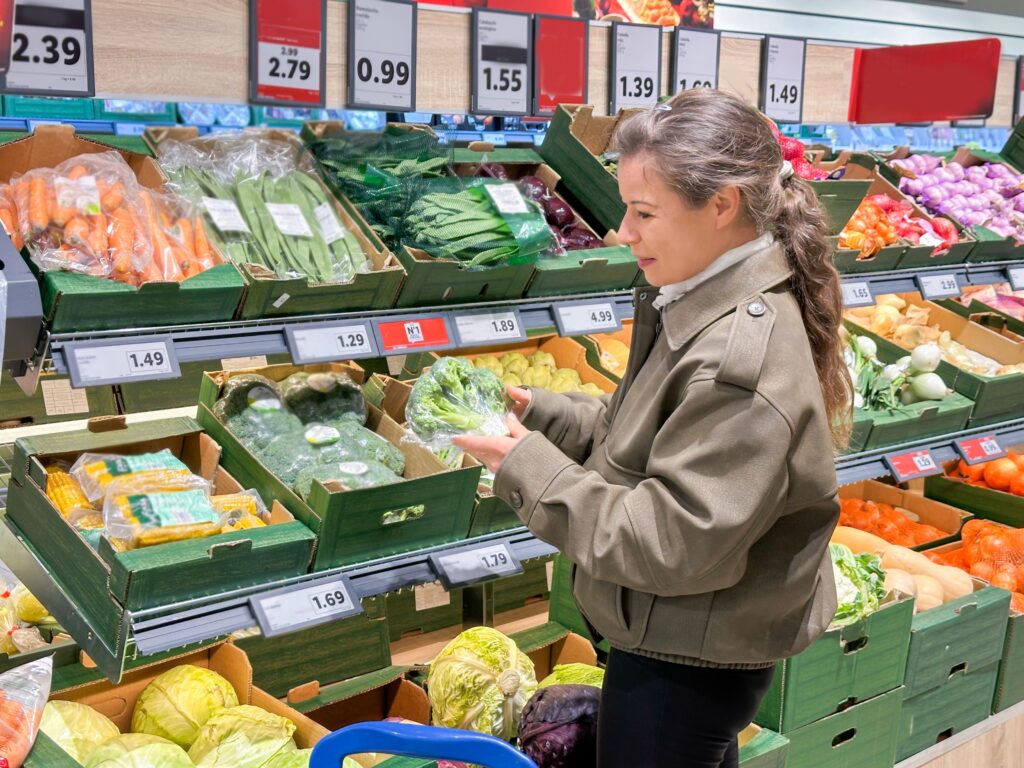
Companies will have to prove environmental claims. Photo credit: TANYARICO/Shutterstock
Walk down the aisles of almost any supermarket in Spain and you’ll be met with a familiar sight, ”Eco-friendly.” “Sustainable.” “Kind to the planet.” “Environmentally conscious.” For years, these claims have become a powerful selling point, encouraging shoppers to choose one product over another in the belief they are making a greener choice, but that could soon change.
A growing row is unfolding between the European Union and the food industry over new rules designed to crack down on so-called “greenwashing”, the practice of making environmental claims that cannot be properly backed up. While Brussels says the changes will give consumers clearer and more reliable information, supermarkets and food manufacturers are warning they could have the opposite effect, leaving shoppers more confused and forcing companies to remove many of the labels people have come to recognise.
Why Brussels wants to clean up supermarket shelves
The EU’s new legislation is aimed at tackling one simple problem, consumers are increasingly confronted with vague environmental claims that can be difficult, if not impossible, to verify. Terms such as “green”, “eco-friendly”, “environmentally friendly” and “climate neutral” have appeared on everything from food packaging to household products, often without clear evidence explaining what those claims actually mean.
Under the new rules, companies will have to prove environmental claims with robust evidence before they can use them. Generic claims that cannot be substantiated will be banned, while many private environmental labels will only be allowed if they are based on recognised certification schemes. The goal is straightforward: make it easier for shoppers to know which products genuinely meet environmental standards and which simply use green language as a marketing tool.
Supermarkets fear the rules could go too far
While few businesses are arguing against tackling misleading claims, many say the legislation risks creating new problems. Organisations representing supermarkets and food manufacturers across Europe are calling for parts of the directive to be simplified, warning that some requirements could prove difficult to apply in practice.
They argue that complying with the new rules could create significant administrative costs, particularly for smaller producers, while forcing businesses to remove familiar environmental messaging that consumers already understand. Their concern is that shoppers could ultimately be left with fewer explanations on packaging rather than clearer information, the debate is no longer about whether greenwashing should be stopped, it is about how far the new rules should go.
What could change for shoppers in Spain?
For most consumers, the biggest difference may simply be what they no longer see, Packaging carrying broad environmental slogans could gradually disappear unless companies are able to support every claim with recognised evidence. Instead, shoppers may begin to notice more specific information linked to certified sustainability schemes rather than general statements suggesting a product is environmentally friendly.
In theory, that should make comparing products easier, in practice, it could also mean consumers need to become more familiar with certification logos and understand what they actually represent, it may feel like less information at first, even if the aim is to provide better information.
The battle over trust
At the heart of the debate lies a simple question, how can consumers tell the difference between genuine sustainability and clever marketing? Environmental claims have become increasingly important as more shoppers try to reduce their environmental impact through the choices they make at the checkout. Yet studies have repeatedly shown that vague or unverified claims can create a misleading impression, making products appear greener than they really are.
The EU believes stricter rules will rebuild confidence by ensuring that environmental claims are backed by evidence rather than marketing language. Businesses, meanwhile, fear that removing familiar terminology without clear alternatives could make communication with customers more difficult.
What could happens next?
The new legislation forms part of the European Union’s effort to strengthen consumer protection and improve transparency across the single market. Members, including Spain, will be responsible for implementing the rules, with businesses expected to adapt packaging and marketing to comply with the new requirements. For shoppers, the changes may not be immediately obvious. The shelves will still be full, the products will still be there and most people will continue doing the weekly shop as normal. But over time, the language on supermarket packaging could begin to change.
Some of the familiar promises that have become part of modern marketing may quietly disappear, replaced by claims that are more specific, more tightly regulated and, the EU hopes, more trustworthy. Whether that leaves consumers better informed or simply more bewildered is the question now dividing Brussels and the food industry. The next time you pick up a product claiming to be “green”, it may be worth taking a closer look, soon, those words could become far harder to find.
Follow Euro Weekly News on Google News
Get breaking news from Spain, travel updates, and expat stories directly on your Google News feed.
Follow on Google NewsSign up for personalised news
Subscribe to our Euro Weekly News alerts to get the latest stories into your inbox!
By signing up, you will create a Euro Weekly News account if you don't already have one. Review our Privacy Policy for more information about our privacy practices.





Molly Grace
Molly is a British journalist and author who has lived in Spain for over 25 years. With a background in animal welfare, equestrian science, and veterinary nursing, she brings curiosity, humour, and a sharp investigative eye to her work. At Euro Weekly News, Molly explores the intersections of nature, culture, and community - drawing on her deep local knowledge and passion for stories that reflect life in Spain from the ground up.
Comments