New Costa del Sol homes are selling before builders even break ground
By Harry Dennis • Published: 16 Jul 2026 • 14:03 • 4 minutes read
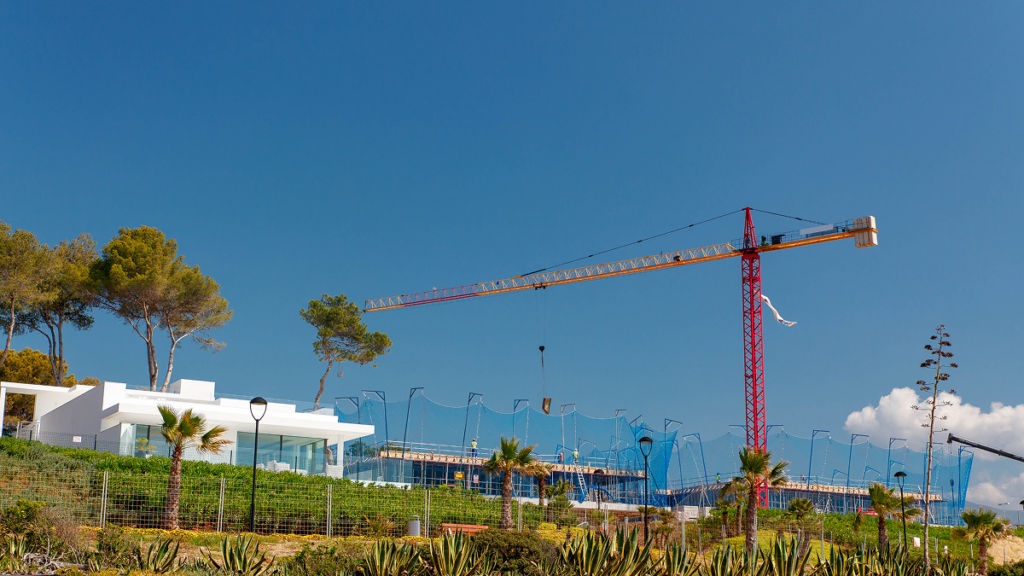
Reserved before the first brick. Credit: Pavel Lysenko / Shutterstock
Buyers searching in Marbella, Estepona, Mijas Costa and Fuengirola are finding some developments already 30 to 50 per cent reserved before construction starts. British purchasers remain among the strongest overseas buyers, while limited land and slow new supply are forcing decisions long before anyone receives the keys.
Buyers are committing to Costa del Sol homes still only on paper
It is becoming increasingly more common for Costa del Sol buyers to make decisions based on floor plans, computer-generated images and views across an empty plot. The finished home could remain months or years away, yet a deposit may be needed to secure the right floor, orientation or terrace.
Savills says some well-positioned new developments are selling between 30 and 50 per cent of their homes before construction has even started, and many more have a significant share reserved well before completion. The figures apply specifically to newly built apartments and houses. They do not describe the entire Costa del Sol property market, which also includes a much larger stock of existing and resale homes.
Why demand remains strong despite rising prices
José Félix Pérez-Peña, executive director of Savills Andalucía, said demand remains considerably higher than the number of new homes available, particularly in the upper-middle and prime segments. He said the Costa del Sol was no longer solely a holiday destination, but had developed into one of southern Europe’s main international residential markets.
Savills attributes that change partly to permanent residents, remote workers and international buyers seeking “quality of life, connectivity and a dynamic economic environment”.
That demand has continued despite a steep rise in new-build prices. The average newly built apartment on the Costa del Sol reached €5,725 per square metre in 2025, an annual increase of 23 per cent. The average total price passed €1 million for the first time, while newly built detached properties averaged €2.97 million. These are averages for the new-build market and are heavily influenced by the growing number of luxury and prime developments.
Marbella, Estepona, Mijas Costa and Fuengirola are leading the market
The strongest activity is concentrated in four of the coast’s best-known property destinations.
Estepona accounts for 28 per cent of the Costa del Sol’s initial new-build supply, according to Savills. Mijas Costa represents 18 per cent and Fuengirola 16 per cent. Meanwhile, Marbella remains the market’s principal driver of value. Newly built luxury apartments there average close to €2.5 million and more than €8,000 per square metre, around 41 per cent above the wider Costa del Sol average.
International buyers now account for more than half of new-build demand in Marbella, Mijas Costa and Fuengirola. Savills lists British, Dutch, Swedish and German purchasers among the most active, particularly in the upper-middle and prime markets.
Britons also remained the largest single nationality among foreign homebuyers across Spain during 2025, accounting for nearly 8 per cent of purchases made by overseas nationals, according to the College of Property Registrars. Those national figures cover both new and previously owned homes.
Why builders are struggling to match buyer demand
Savills recorded approximately 12,265 new-build homes sold on the Costa del Sol during 2025, compared with an available stock of just 5,328 units. The consultancy says the imbalance is structural rather than temporary. A shortage of land ready for development, lengthy administrative procedures and rising construction costs are limiting how quickly builders can add homes in the areas facing the strongest demand.
In some locations, the problem is not that no construction is taking place. It’s that the number of new homes reaching the market remains relatively low compared with the number of buyers looking for them. That allows successful developments to enter the sales process early, sometimes before excavation or building work has begun.
How reserving early can leave buyers exposed for longer
Buying from plans gives purchasers access to homes that may never even reach the completed-property market. It can also mean committing substantial sums without being able to inspect the finished apartment, building or communal areas. Payments are commonly made at several stages, beginning with a reservation and followed by further instalments during construction. British buyers paying from sterling income may also face exchange-rate changes between the reservation date and completion.
The pressure to secure a property quickly should not replace checks on the developer, plot, planning position, building licence, completion date and contractual specifications. Andalucía’s consumer service says anyone selling a home that is planned or under construction must provide prospective buyers with an abbreviated information document, known in Spanish as the Documento Informativo Abreviado.
Advance payments made after the building licence is obtained must be protected by a bank guarantee or surety insurance. The Banco de España says that protection should cover all money paid in advance, including taxes and legal interest. An independent lawyer can also check ownership of the land, any registered debts or restrictions, payment guarantees and what the contract allows if construction is delayed.
Limited supply could keep the pressure on early buyers
Savills expects new-build prices to record accumulated growth of between 13 and 16 per cent during 2026 and 2027. Its forecast does not guarantee that every development or municipality will rise at the same rate. However, the consultancy expects limited land, planning delays and construction costs to continue restricting new supply in the coast’s most sought-after locations.
Follow Euro Weekly News on Google News
Get breaking news from Spain, travel updates, and expat stories directly on your Google News feed.
Follow on Google NewsSign up for personalised news
Subscribe to our Euro Weekly News alerts to get the latest stories into your inbox!
By signing up, you will create a Euro Weekly News account if you don't already have one. Review our Privacy Policy for more information about our privacy practices.





Harry Dennis
Born in the UK and raised on the Cádiz coast, Harry brings his background in design, music, and photography to his writing for Euro Weekly News, sharing stories that celebrate culture and lifestyle across Spain and beyond.
Comments