Taking your dog to the beach? The five hidden dangers every owner should know this summer
By Molly Grace • Published: 20 Jul 2026 • 7:00 • 3 minutes read
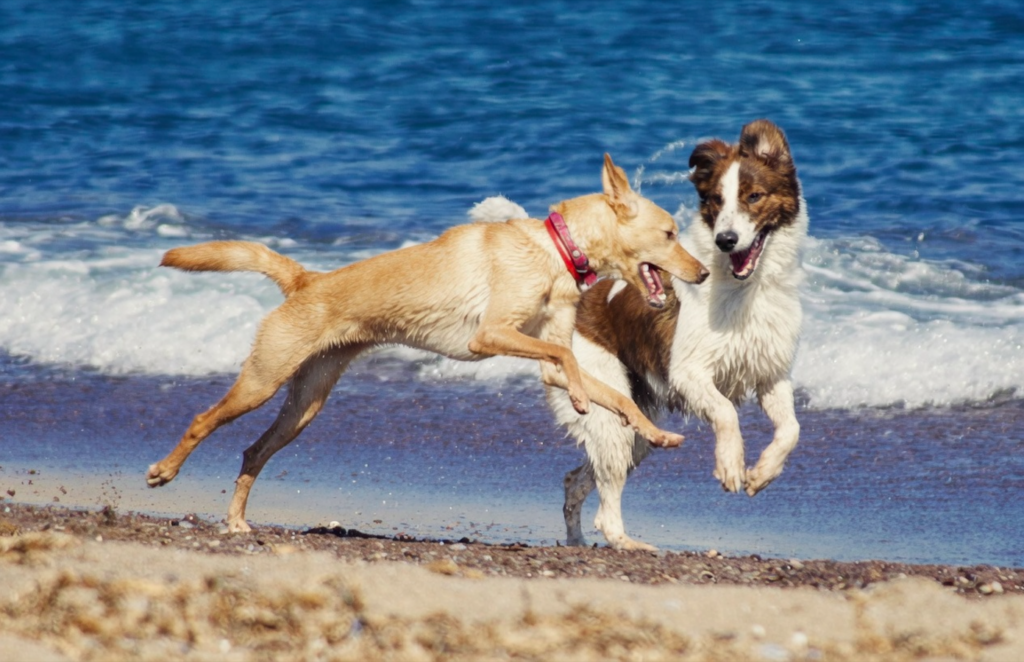
swallowing sand is one of the most common beach-related problems vets see during the summer. Photo credit: Alexander Sánchez
For most dogs, a trip to the beach is the highlight of summer. But what looks like the perfect day out can quickly turn into a costly, or even life-threatening, emergency if owners overlook a few hidden dangers. Veterinarians are urging dog owners to stay alert before heading for the sand. There’s nothing quite like watching your dog sprint across the shoreline, chase waves and cool off in the sea on a hot summer’s day. For thousands of pet owners across Spain, it’s a favourite way to escape the heat.
But while the beach may seem like a canine paradise, veterinary experts say it also hides a number of risks that many owners simply don’t see coming. From heatstroke to intestinal blockages, a fun day out can take a dangerous turn in a matter of minutes if precautions aren’t taken. As temperatures continue to soar across Spain this summer, vets are reminding owners that prevention is the best way to avoid an emergency trip to the clinic.
Heatstroke remains the biggest threat
If there’s one danger veterinarians are most concerned about, it’s heatstroke. Unlike humans, dogs can’t regulate their body temperature efficiently. Running across hot sand, playing energetic games and spending too long in direct sunlight can quickly cause their body temperature to rise to dangerous levels.
Experts recommend avoiding the hottest part of the day, making sure your dog always has access to fresh drinking water and providing plenty of shade where they can rest. Brachycephalic breeds such as pugs and bulldogs, older dogs, overweight pets and those with existing health problems are particularly vulnerable. Warning signs include excessive panting, weakness, vomiting, confusion, bright red gums and, in severe cases, collapse. Heatstroke is a veterinary emergency and requires immediate treatment.
The danger hiding beneath their paws
Many owners remember sunscreen for themselves but forget to think about the sand beneath their dog’s feet. On very hot days, sand can become hot enough to burn sensitive paw pads in seconds. Veterinarians recommend carrying out the simple “five-second test”. If you can’t comfortably keep the back of your hand on the sand for five seconds, it’s too hot for your dog to walk on safely. Walking close to the water’s edge or visiting the beach early in the morning or later in the evening can significantly reduce the risk.
The surprising risk of sand
It may sound harmless, but swallowing sand is one of the most common beach-related problems vets see during the summer. Dogs often ingest sand accidentally while fetching balls, chewing toys or licking wet fur after playing. In small amounts it may cause little more than an upset stomach, but larger quantities can lead to painful intestinal blockages requiring urgent veterinary treatment. Symptoms may include vomiting, diarrhoea, abdominal pain and constipation. Keeping an eye on what your dog is chewing and discouraging games that involve digging or eating sand can help prevent the problem.
Sea water isn’t a drink
After an energetic run on the beach, many dogs head straight for the sea to cool off. The problem comes when they start drinking it, Salt water can irritate the digestive system, causing vomiting and diarrhoea, while drinking large quantities may lead to dehydration and more serious complications linked to excessive salt intake. The easiest way to prevent it is by bringing plenty of fresh water and encouraging regular drinks throughout the day so your dog isn’t tempted to lap up sea water.
Hidden hazards on the shoreline
Not every danger comes from the heat, sharp rocks, broken shells, discarded fishing hooks, litter and other debris can all cause painful cuts and injuries to paws and mouths. Rocky areas can be particularly hazardous for dogs running at full speed while chasing balls or other dogs. Before letting your dog off the lead, it’s worth taking a quick look around the area to spot any obvious hazards.
A little preparation can make all the difference
Fortunately, most beach emergencies are entirely preventable. Veterinary experts recommend visiting dog-friendly beaches during the cooler parts of the day, taking regular breaks in the shade, carrying fresh drinking water, limiting long periods of intense exercise and rinsing your dog with fresh water after swimming to remove salt and sand from their coat.
A trip to the coast should create happy memories, not an emergency dash to the vet. With a little planning and a few simple precautions, your four-legged friend can enjoy everything Spain’s beaches have to offer, without turning a perfect summer day into a frightening one.
Follow Euro Weekly News on Google News
Get breaking news from Spain, travel updates, and expat stories directly on your Google News feed.
Follow on Google NewsSign up for personalised news
Subscribe to our Euro Weekly News alerts to get the latest stories into your inbox!
By signing up, you will create a Euro Weekly News account if you don't already have one. Review our Privacy Policy for more information about our privacy practices.





Molly Grace
Molly is a British journalist and author who has lived in Spain for over 25 years. With a background in animal welfare, equestrian science, and veterinary nursing, she brings curiosity, humour, and a sharp investigative eye to her work. At Euro Weekly News, Molly explores the intersections of nature, culture, and community - drawing on her deep local knowledge and passion for stories that reflect life in Spain from the ground up.
Comments