Costa del Sol traffic bottle-neck costing firms a fortune: Local bosses demand real action
By Adam Woodward • Published: 25 Jul 2026 • 21:24 • 3 minutes read
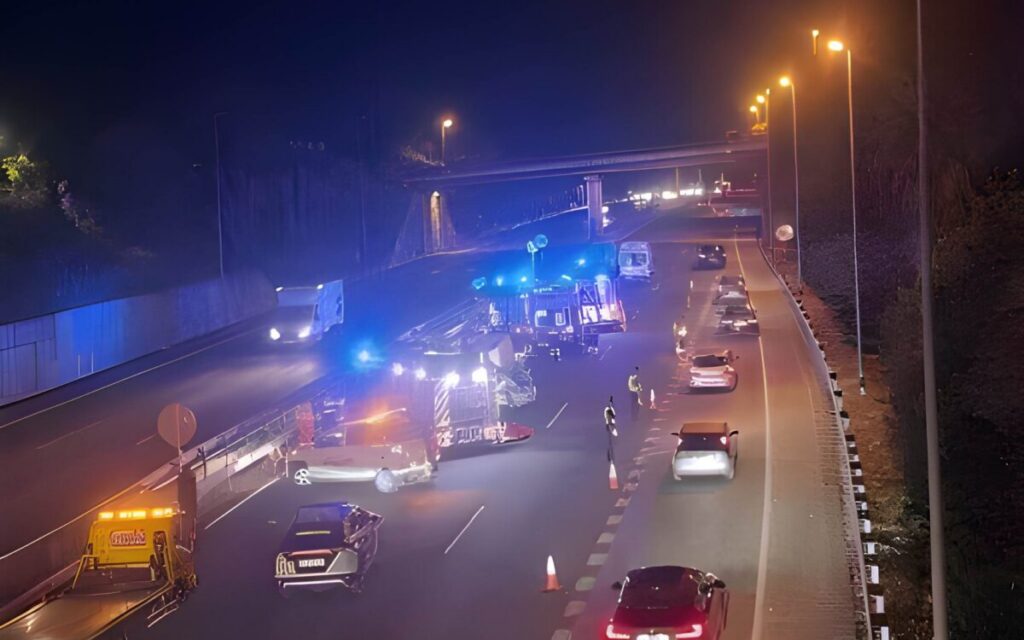
Another jam on the A7 outside Marbella. Credit: MsQ
Costa del Sol business association APYMESPA has warned that clogged roads now act as a major brake on the Costa del Sol economy. Everyday travel for workers, goods and visitors struggles to keep pace with rapid growth in people, tourism and companies.
APYMESPA stands for the Asociación de la Pequeña y Mediana Empresa de San Pedro Alcantara. Founded in 2003, this non-profit group speaks for small and medium-sized firms, traders and professionals across San Pedro Alcantara, Nueva Andalucia and nearby parts of the Costa del Sol. Its members press for practical support on issues that hit local businesses hardest.
Daily Gridlock on the A-7 hits hardest
Strong rises in population, visitors and economic activity over recent years have outstripped upgrades to main roads and public transport. Resulting hold-ups appear daily on the A-7. Journeys between San Pedro Alcantara, Marbella, Estepona and other western coastal spots turn unpredictable. One minor crash or roadworks can stop traffic for hours in one of Andalusia’s most profitable zones.
@Apymespa reclama un plan integral de movilidad para la #CostadelSol https://t.co/dpJOSeL58Y @cuquita1982 @tvmarbella @javigane #SanPedroAlcantara
— Francisco Acedo (@Acedotor) July 25, 2026
For APYMESPA members, this congestion works like a hidden tax on output. Lost minutes push up transport bills, cut company efficiency, complicate delivery plans and leave firms less able to compete with areas that built better links as they grew.
AP-7 tolls prove too steep for many
APYMESPA points to the price of using the AP-7 motorway. While it offers a way round A-7 bottlenecks, fees deter thousands of workers and small operators. During the 2026 special season the full run from Malaga to Guadiaro costs €19.55 each way. It is literally the most expensive toll road in Spain. Over a normal working month that can total €860.20 before fuel or vehicle upkeep. Even shorter trips such as San Pedro Alcantara to Marbella or Estepona reach about €158 monthly.
Calls for lower rates for residents, self-employed people, staff and work vehicles therefore go beyond one sector’s wish-list. They raise questions about leaving a paid road under-used while free routes stay jammed.
Small and medium firms feel the pinch most. Larger companies can sometimes absorb delays or change routes. Smaller ones have less room to cover extra fuel, overtime, vehicle wear or missed meetings. Two or three vans stuck every day can wipe out profits. Calls for lower rates have just fallen on deaf ears.
Wider strain on work and life
Knock-on effects are reaching beyond business accounts. Traffic jams make staffing harder, limit family time and cut hours available for rest or care. In a place that relies heavily on tourism and services, with large numbers of people commuting between towns each day, poor mobility also lowers living standards.
What APYMESPA wants next
The association is calling for a joint working table of every relevant authority to draw up a full Costa del Sol Mobility Plan complete with money, deadlines and input from companies.
Suggested steps include widening current roads, adding lanes, boosting public transport, building park-and-ride sites, creating reserved lanes and using smart traffic systems.
A coastal train or similar rail link is still a key demand. Such a service would join Malaga, the airport, Fuengirola, Mijas, Marbella, San Pedro Alcantara, Estepona and the Campo de Gibraltar. Other ideas cover better roads into the Serrania de Ronda after the A-397 closed in 2025, closer working between Malaga and Gibraltar airports, passenger boat services and new urban air options.
APYMESPA wants co-ordinated moves from Spain’s national government, the Junta de Andalucia, the provincial council, local councils, transport bodies, port authorities, the AP-7 operator, Gibraltar-linked groups and business and social partners.
Mobility on the Costa del Sol has moved beyond simple traffic complaints. It now tests the area’s ability to stay competitive. New residents, tourists and companies keep adding pressure to roads designed for a much smaller scale of life and work. Population, jobs, investment and visitor numbers keep setting records, yet the means to travel efficiently lag far behind.
APYMESPA keep fighting in the corner of business with a hope to have more effect as the 2027 elections near.
Follow Euro Weekly News on Google News
Get breaking news from Spain, travel updates, and expat stories directly on your Google News feed.
Follow on Google NewsSign up for personalised news
Subscribe to our Euro Weekly News alerts to get the latest stories into your inbox!
By signing up, you will create a Euro Weekly News account if you don't already have one. Review our Privacy Policy for more information about our privacy practices.





Adam Woodward
Adam is a writer who has lived in Spain for over 25 years. With a background in English teaching and a passion for music, food, and the arts, he brings a rich personal perspective to his work at Euro Weekly News. As a father of three with deep roots in Spanish life, Adam writes engaging stories that explore culture, lifestyle, and the everyday experiences that shape communities across Spain.
Comments