Fire storm clouds form over Avila & Madrid wildfires: Sudden rain, lightning and flight disruption risk explained
By Adam Woodward • Published: 25 Jul 2026 • 17:22 • 2 minutes read
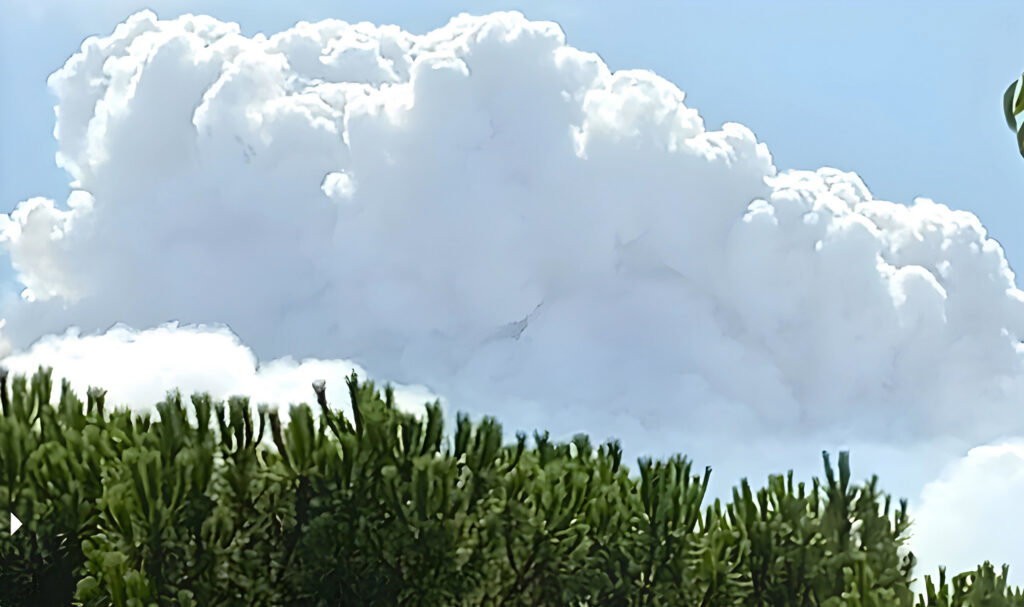
Pyro cloud forming over Avila fire. Credit: MeteoÁvila X
Wildfires near Avila are now creating their own thunderstorms. Radar and local weather watchers today confirmed giant fire-made storm clouds, known as pirocumulonimbus, rising above the Burgohondo blaze, bringing the real risk of sudden lightning, strong winds and possible flight delays.
Local weather watchers and AEMET radar stations (official Spanish meteorological agency) detected these special clouds, known as pirocumulonimbus or pyroCb, rising above the Burgohondo fire. Similar clouds formed earlier this week too. Intense heat from the flames is powerful enough to punch smoke and moisture high into the sky and create their own weather.
What exactly are these fire clouds?
Pirocumulonimbus clouds are thunderstorms born from fire rather than normal weather systems. Extreme heat sends a powerful column of hot air, smoke and moisture shooting upwards. As the air rises it cools, moisture turns into cloud, and if conditions are right the cloud grows into a full and fierce thunderstorm.
Acaba de formarse ya el pirocúmulo en el incendio … pic.twitter.com/iio3vsrbRs
— José Antonio Quirantes Calvo (@JoseAQuirantes) July 24, 2026
These clouds can climb 9,000 metres or higher, sometimes even into the stratosphere. In extreme cases they have reached over 16,000 metres. Rain can fall from them, but often the drops evaporate before hitting the ground. However, lightning storms are common and can start fresh fires. Strong, unpredictable winds also form underneath.
How nature tries to fight fire – and why it still risks lives
In theory these clouds offer nature a way to dampen wildfires with rain. The reality is messier, though. Rain is often light or patchy. Lightning can ignite new blazes kilometres away. Sudden downdrafts and shifting winds make fire behaviour far more dangerous for firefighters and anyone nearby.
People on the ground face extra hazards: flying embers, sudden wind changes and possible hail mixed with ash. Anyone outdoors near the fires should stay alert and follow official instructions.
Where these clouds have appeared before
Canada saw major outbreaks in 2017 and again in 2023, when more than 100 pyroCbs formed in a single season. Smoke from some of those events reached Spain. Australia’s Black Summer fires of 2019-2020 produced dozens of these clouds in a few days. The resulting smoke plume circled the southern hemisphere and stayed in the atmosphere for more than a year. Similar clouds have also been recorded over Greece and other Mediterranean places when fires grow large enough.
Incêndios no Colorado – EUA no início de Julho/2026.
Resumo do Artigo da NOAA:
Link: https://t.co/bIS8U3VsIH“As nuvens pirocumulonimbus (piroCb) são nuvens convectivas geradas por incêndios florestais que podem injetar fumaça diretamente na estratosfera.
As piroCb são… pic.twitter.com/ctijXlCJOs
— Bruno Brezenski (@bbbrezenski) July 16, 2026
Scientists now know these events happen more often than once thought, and usually 40 to 50 times a year worldwide, whenever big fires meet the right atmospheric conditions.
Possible flight delays and disruptions
Smoke and high-reaching storm clouds can force planes to change routes or delay take-offs and landings. Airports across central Spain may see short-term disruption if the clouds grow larger or if visibility drops. Those flying into or out of Madrid should check with their airline and allow extra time.
What people on the ground should do
Stay updated through official alerts and AEMET warnings. Avoid unnecessary travel near active fire zones. Keep windows closed if smoke drifts your way. Report any new smoke columns by ringing 112.
These fire-made storms are a dramatic reminder of how powerful today’s wildfires have become. Nature is trying to fight back with its own thunderstorms, yet the same clouds can make conditions more dangerous for people on the ground and in the air.
Follow Euro Weekly News on Google News
Get breaking news from Spain, travel updates, and expat stories directly on your Google News feed.
Follow on Google NewsSign up for personalised news
Subscribe to our Euro Weekly News alerts to get the latest stories into your inbox!
By signing up, you will create a Euro Weekly News account if you don't already have one. Review our Privacy Policy for more information about our privacy practices.




Adam Woodward
Adam is a writer who has lived in Spain for over 25 years. With a background in English teaching and a passion for music, food, and the arts, he brings a rich personal perspective to his work at Euro Weekly News. As a father of three with deep roots in Spanish life, Adam writes engaging stories that explore culture, lifestyle, and the everyday experiences that shape communities across Spain.
Comments