Travelling by train in Spain tomorrow? Renfe strike could affect 322 services
By Harry Dennis • Published: 30 Jul 2026 • 14:13 • 2 minutes read
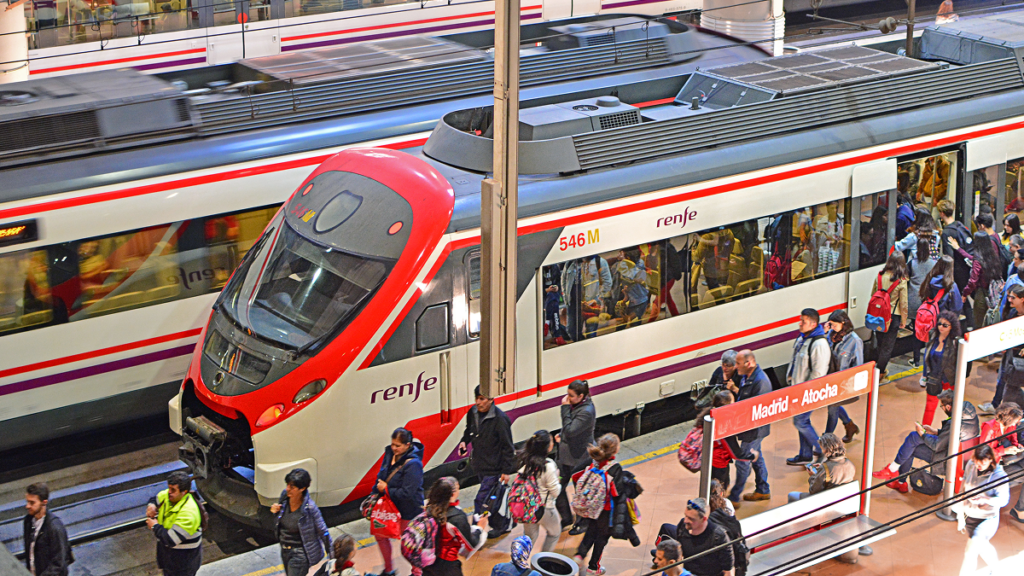
Renfe services face a 24-hour nationwide strike on Friday, July 31. Credit: Martyn Jandula Y / Shutterstock
Tomorrow’s Friday getaways could have an unfortunate start after missing a train or experiencing a longer wait on the platform. Renfe’s 24-hour strike lands on Spain’s August holiday changeover, with regional and off-peak commuter services facing the largest potential reductions.
Up to 322 long-distance and regional trains could be affected
The strike will run from midnight until 11.59pm on Friday, July 31, and covers Renfe Viajeros drivers and onboard inspection staff across Spain. The Ministry of Transport and Sustainable Mobility has ordered minimum services intended to keep most high-speed and long-distance journeys running. However, hundreds of trains remain outside the protected timetable:
- High-speed and long-distance: 251 of 343 scheduled trains are guaranteed, or 73 per cent. The remaining 92 could be affected.
- Media Distancia: 432 of 662 regional trains are guaranteed, an average of 65 per cent. Up to 230 could be affected.
- Cercanías: 75 per cent of normal services are protected during peak periods, falling to 50 per cent for the rest of the day.
The figures for the 322 unprotected high-speed, long-distance and regional trains aren’t already simply cancelled, but travellers are at the mercy of whether the required staff report for work or not.
Half the off-peak Cercanías timetable is protected
Commuters and passengers using local trains could notice the greatest difference outside the morning and evening rush hours. On high-frequency Cercanías lines, the minimum-service order seeks to provide one train in each direction every 20 minutes during quieter periods, without exceeding 50 per cent of the normal timetable. On less frequent lines, at least one train an hour in each direction will be protected where this remains within the same limit.
Peak periods vary between networks. The official timetable for Madrid, for example, treats 6am to 9am, 1.30pm to 3.30pm and 6.30pm to 8.30pm as rush-hour times.
Cataluña and the Basque Country are exceptions to the national order. Minimum services for Rodalies and regional trains operating wholly within Cataluña are set by the Generalitat, while Basque Cercanías levels are determined by the Basque Government. Passengers in both regions should therefore consult the relevant regional timetable.
How air-conditioning faults triggered the latest strike
The action has been called by the Sindicato Ferroviario Intersindical (SF-I), which alleges that faults in train air-conditioning systems are exposing employees and passengers to excessive temperatures. The union has described some trains as resembling “saunas” and is demanding an urgent plan to replace obsolete equipment and strengthen maintenance. Renfe’s announcement of the minimum services, however, did not address those allegations.
This is the third recent strike called by the union following action on June 29 and July 15. Renfe said participation in the previous stoppages was around 2 per cent, allowing most of the network to operate close to normal. That makes the 322 potentially affected trains a maximum rather than a confirmed cancellation total. A low turnout could leave most additional services running, but passengers cannot assume that an unprotected train will operate as normal.
A train number matters more than the percentages
The Ministry’s full minimum-service resolution lists the specific high-speed, long-distance and Media Distancia trains guaranteed to run, including their train numbers and scheduled departure times. Renfe has said passengers booked on affected services are being contacted by email, and where possible, can be moved to the nearest available departure. Those who decide not to travel can change the date or cancel the affected ticket without charge through Renfe’s sales channels.
Travellers should check their individual service through the Renfe website or app before leaving for the station, even if no cancellation message has arrived. A train appearing on the protected list is guaranteed to run; one missing from it remains uncertain until Renfe confirms its status.
Follow Euro Weekly News on Google News
Get breaking news from Spain, travel updates, and expat stories directly on your Google News feed.
Follow on Google NewsSign up for personalised news
Subscribe to our Euro Weekly News alerts to get the latest stories into your inbox!
By signing up, you will create a Euro Weekly News account if you don't already have one. Review our Privacy Policy for more information about our privacy practices.



Harry Dennis
Born in the UK and raised on the Cádiz coast, Harry brings his background in design, music, and photography to his writing for Euro Weekly News, sharing stories that celebrate culture and lifestyle across Spain and beyond.
Comments