Denmark warns holidaymakers: Stand your ground if a wolf approaches
By Adam Woodward • Published: 31 Jul 2026 • 15:47 • 4 minutes read
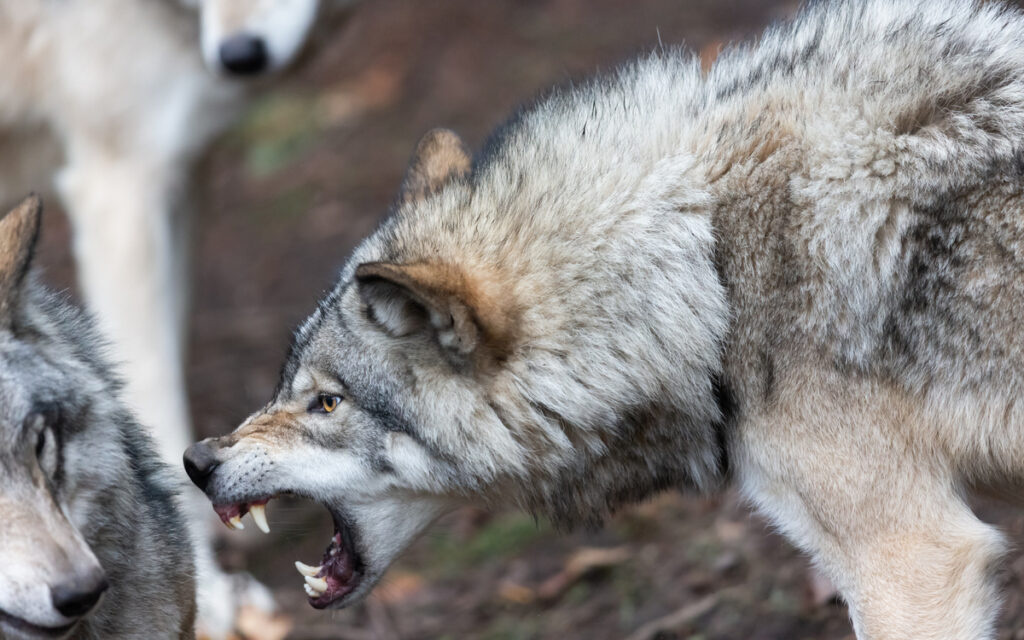
Wolf packs spotted. Credit: PatrickLauzon photographe - Shutterstock
Danish government officials have handed out clear instructions to tourists after young wolves started getting a bit too bold near popular beaches and holiday spots in the region of west Jutland.
Around 49 wolves now live on the Jutland peninsula after the animals returned in 2012 following two centuries away. Most keep their distance from people. A few youngsters near the busy tourist area of Oksbol have been spotted coming closer than usual this year, though. That called for local councils and tourism bodies to print flyers in Danish, English and German for campsites, holiday homes and tourist offices.
Official government guidance if you come across a wolf
Stay calm and still if a wolf that shows little fear comes within about 30 metres. Watch it carefully and take a photo or video if you can. Never follow the animal or turn your back. Give it space so it can move off on its own.
Make some noise if it hangs around. Shout, clap your hands or wave your arms. Look it straight in the eye and act confident, the same way you might deal with a pushy dog. Officials say this shows dominance and usually sends the message that you are human, and not to be touched.
Stay in your car if you spot one while driving. Wolves do not link vehicles with people and may wander closer out of curiosity. Wait until it leaves before getting out.
Step back slowly while keeping eye contact if you and the wolf suddenly find yourselves near each other. Growling or showing teeth is normally a sign of fear rather than an imminent attack.
Most animals will leave once they have an easy escape route
Contact the authorities straight away if a wolf becomes trapped inside a fence or building. An animal that cannot get away may attempt to defend itself.
What to do in the extremely unlikely event of an attack
No wolf attacks on people have been recorded in Denmark. Officials still spell out the response just in case. Offer maximum resistance. Hit, kick and use any blunt object you can grab. Aim for the hindquarters if the wolf goes for another person or a dog. Do not put yourself between the animal and its target.
Children under 10 should stay with an adult in the Oksbol area at all times. Keep dogs on a lead in places where wolves live. Never approach the animals, feed them or leave food that might draw them in. Report any unusually bold behaviour on the national monitoring site ulveatlas.dk.
Why the advice has been issued now
Wildlife ecology professor Peter Sunde from Aarhus University explained that at least two young wolves showed reduced flight distances around Oksbol during winter and spring 2026. One is still alive. This kind of behaviour often develops when young animals keep meeting people. Tourists who do not realise wolves are present or who ignore basic recommendations may have played a part, he noted.
People living or staying in wolf areas need to understand they should not approach the animals or leave anything that attracts them. That helps stop the same habits spreading to later generations of young wolves.
Varde’s second deputy mayor Sandie Eis Ravn said local businesses asked for the information campaign. Visitors deserve to know the proper way to behave if they meet a wolf in the nearby forest.
Mixed feelings about wolves in Denmark
Wolves once lived across Denmark. The oldest known bones date back 13,000 years. The last one was shot in 1813 and the species stayed away until the recent return. EU rules now protect them.
Reactions remain divided. Some residents welcome the comeback. Others point to livestock losses, including two ponies killed within a fortnight earlier this year. Four MPs from the Danish People’s Party were reported to police after sharing a Facebook post that called for the animals to be shot.
The new flyers hope to keep both people and wolves safer as numbers grow and more visitors head to the west coast.
Wolf population grows across Europe
Wolf numbers across Europe have climbed sharply over the past decade. Estimates put the continental total at around 21,500 to 23,000 animals by the mid-2020s, up from roughly 12,000 a decade earlier. That represents a rise of nearly 60 per cent. Populations have expanded particularly fast in central and western Europe, including Germany, France, the Netherlands, Belgium and Denmark itself.
Germany now is home to well over a thousand wolves across hundreds of territories. France has more than a thousand. Italy, Spain, Poland, Romania and Bulgaria each support large established groups. Young wolves dispersing long distances have helped the species reclaim ground it lost more than a century ago.
Problems have grown in step with the numbers. Livestock losses cause the sharpest friction. Farmers in France, Germany, Spain, Italy and the Netherlands report thousands of sheep, goats and other animals killed each year. Compensation schemes help in many places but often fail to cover the full cost or the stress of repeated attacks. Mountain grazing and traditional pastoral farming face particular pressure.
Some regions have seen occasional bold behaviour from individual animals near people or pets, though serious attacks on humans remain extremely rare. Rural communities and farming groups have pushed hard for greater control measures. That pressure contributed to a recent EU decision lowering the wolf’s legal protection status, making regulated culling easier in several countries.
Follow Euro Weekly News on Google News
Get breaking news from Spain, travel updates, and expat stories directly on your Google News feed.
Follow on Google NewsSign up for personalised news
Subscribe to our Euro Weekly News alerts to get the latest stories into your inbox!
By signing up, you will create a Euro Weekly News account if you don't already have one. Review our Privacy Policy for more information about our privacy practices.





Adam Woodward
Adam is a writer who has lived in Spain for over 25 years. With a background in English teaching and a passion for music, food, and the arts, he brings a rich personal perspective to his work at Euro Weekly News. As a father of three with deep roots in Spanish life, Adam writes engaging stories that explore culture, lifestyle, and the everyday experiences that shape communities across Spain.
Comments