Foreign nationals drive 80% of Spain’s unemployment rise after mass regularisation
By Harry Dennis • Published: 10 Aug 2026 • 13:29 • 3 minutes read
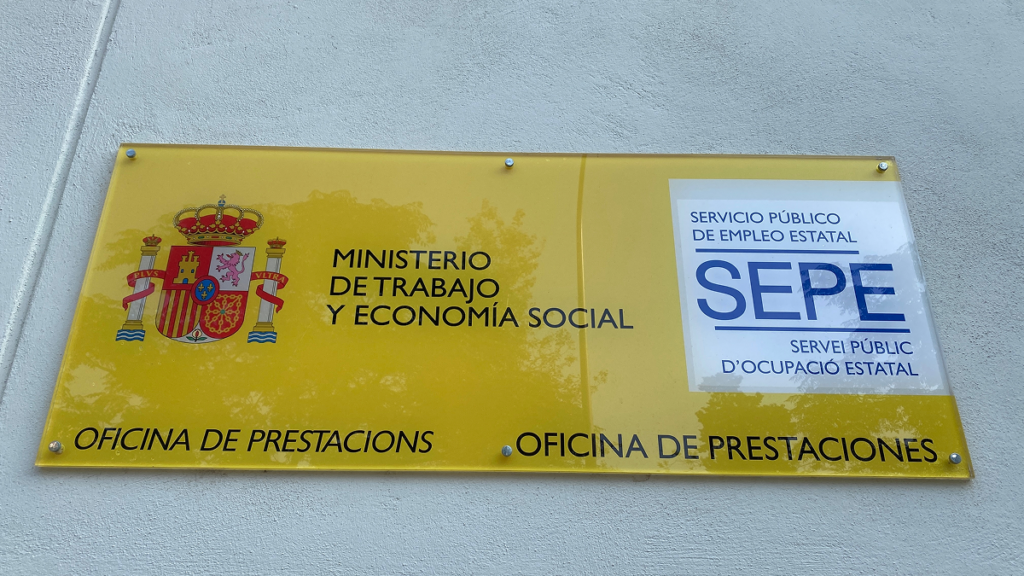
Spain recorded a sharp increase in foreign nationals registered as jobseekers during July. Credit: Tetyana_Pidkaluyk / Shutterstock
Spain created tens of thousands of jobs in July, yet its official unemployment list grew at the same time. The apparent contradiction comes as mass regularisation brings people previously invisible to the legal labour market into Spain’s official records.
Foreign unemployment total jumps by 15,535 in one month
Registered unemployment in Spain rose by 19,517 people during July, an increase of 0.85 per cent, according to figures from the Public State Employment Service. Of that net increase, 15,535 were foreign nationals, which accounts for 79.6 per cent of the total rise despite foreign nationals representing a much smaller share of Spain’s overall unemployed population.
The total number of foreign nationals registered as unemployed climbed by 4.54 per cent in one month, reaching 357,621. It was also 30,959 higher than in July 2025, an annual increase of 9.48 per cent.
Spain’s overall unemployment total now stands at 2,311,499, moving back above 2.3 million after falling below that threshold in June. Even after July’s rise, however, the figure remains 93,107 lower than a year ago and is the country’s lowest July total since 2007.
How regularisation brings previously unrecorded jobseekers onto the books
The clearest indication of the regularisation’s impact appears among people recorded as having no previous employment. Within the foreign-national figures, that category increased by 11,359 people in July, reaching 93,055. It was a monthly jump of almost 14 per cent. Spain’s Ministry of Labour also said that the broader increase among people with no previous employment registered was “fundamentally linked” to the extraordinary regularisation. The scheme has allowed people already living in Spain without legal status to obtain permission to work and access public employment offices.
What this means is that some can now register as jobseekers for the first time, while others may previously have worked informally without appearing in Social Security or employment statistics.
Nearly 1.18 million applications were filed before the June 30 deadline, more than double the government’s original estimate. The timing, the rise among those with no previous recorded employment and the government’s assessment all point to regularisation as the major contributing factor, but not necessarily the only one.
Why registration opens support but doesn’t mean automatic benefit payments
Joining Spain’s unemployment register does not automatically produce a cash payment for someone. Registration gives jobseekers access to services including vacancies, employment guidance, personalised work plans and training. It is also a necessary condition for claiming unemployment benefits, but eligibility must be established separately. Contributory unemployment benefit normally requires at least 360 days of eligible contributions. A person who has worked for less than a year may potentially qualify for a subsidy after at least 90 days of contributions, but must meet additional conditions involving legal unemployment, income or family responsibilities. If a foreign national has been working informally without appearing in Social Security, unrecorded work does not by itself create the contribution history required for a claim.
There is currently no official figure showing how many, if any, of the people behind July’s increase are receiving unemployment payments. The latest benefits data released alongside the employment figures relate to June, before the new surge in registrations appeared.
Regularisation is also increasing employment numbers at the same time
The same process pushing up the jobseeker total is also expanding Spain’s legal workforce. Average Social Security affiliation increased by 41,727 people in July, reaching a record 22,508,065. Foreign employment rose by 66,046 during the month, bringing the total number of foreign workers to more than 3.5 million. By July 30, 262,475 foreign nationals regularised through the extraordinary process were registered with Social Security. Of those, 81.5 per cent were in the general employment system and 4.8 per cent were self-employed.
This doesn’t mean that 262,475 entirely new jobs have been created, as some of those workers may already have been employed informally before their status changed. Regularisation simply means that their employer now employs them legally, they appear in official records and generate Social Security contributions.
With 1,174,978 applications submitted and many cases still moving through the system, the effect on Spain’s job figures is unlikely to be complete. August’s data, due in early September, will provide the next indication of whether the jump in foreign unemployment registrations was temporary or is continuing as more applicants enter the legal labour market.
Follow Euro Weekly News on Google News
Get breaking news from Spain, travel updates, and expat stories directly on your Google News feed.
Follow on Google NewsSign up for personalised news
Subscribe to our Euro Weekly News alerts to get the latest stories into your inbox!
By signing up, you will create a Euro Weekly News account if you don't already have one. Review our Privacy Policy for more information about our privacy practices.





Harry Dennis
Born in the UK and raised on the Cádiz coast, Harry brings his background in design, music, and photography to his writing for Euro Weekly News, sharing stories that celebrate culture and lifestyle across Spain and beyond.
Comments