Andalucía mosquito alert as doctors expose the truth about citronella
By Molly Grace • Published: 14 Aug 2026 • 23:35 • 3 minutes read
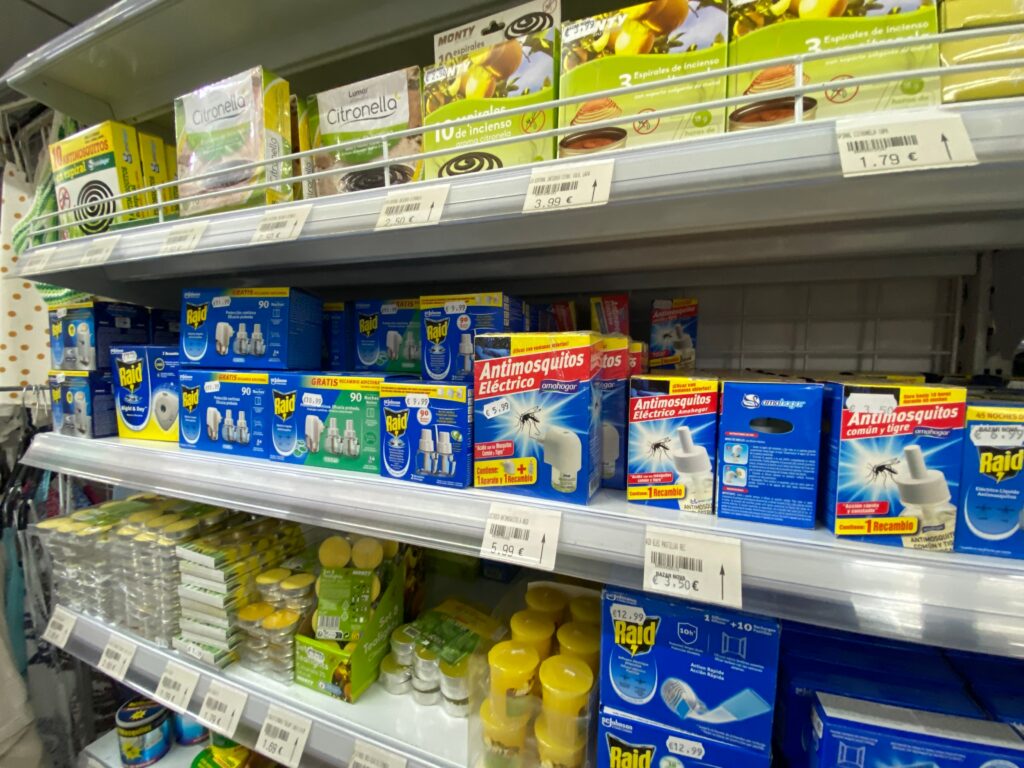
Candles, plants and scented products are often used on terraces. Photo credit: Tetyana_Pidkaluyk/Shutterstock
Most of us have reached for a citronella candle, plant or spray when mosquitoes start becoming a nuisance. But people across Andalucía are now being warned not to mistake the familiar citrus scent for proper protection, with health centres displaying advice telling residents that citronella does not provide a reliable mosquito-repellent function.
The warning comes as Andalucía continues to deal with mosquitoes capable of transmitting diseases including West Nile virus, with cases already confirmed in people this summer and mosquito circulation detected in multiple municipalities. The Junta is urging residents to use registered topical repellents instead of relying on products that may give them a false sense of protection. The regional health authority has also produced dedicated 2026 posters and information materials on preventing mosquito bites, including specific guidance on authorised repellents.
Citronella is not proper mosquito protection
The message being displayed in health centres is extremely important because citronella has become one of the most familiar ways of trying to keep mosquitoes away. Candles, plants and scented products are often used on terraces, balconies and around doors during the summer.
But the presence of citronella does not mean that someone sitting nearby has the same protection as they would get from an authorised repellent applied correctly to exposed skin. The Junta’s current guidance specifically recommends registered, topical mosquito repellents and provides lists of products authorised for use. It also advises covering as much skin as possible with light-coloured clothing.
The warning comes as West Nile cases rise
This is not simply about avoiding an itchy bite. Andalucía has already recorded human cases of West Nile fever this season, including one death in Dos Hermanas. The Junta also confirmed six cases by July 28, all described as mild. They were identified in Palomares del Río, Villamanrique de la Condesa, La Puebla del Río, Coria del Río and Aznalcázar, all in the province of Sevilla.
The same report said virus circulation had been detected in mosquitoes in 15 municipalities declared areas on alert, while viral circulation had also been detected in two municipalities where the capture sites were more than 1.5 kilometres from the urban centre. Mosquito densities were also increasing in several areas.
Mosquito protection matters more in high-risk areas
The situation is being closely monitored because West Nile virus is transmitted through the bite of infected mosquitoes. Most infections do not cause symptoms, but some people develop illness and a small proportion can develop serious neurological complications.
The Junta has therefore been increasing surveillance across Andalucía rather than waiting for human cases to appear. More than 200 mosquito traps are being used to monitor circulation, with public health teams also carrying out checks in municipalities across the region. That makes the advice being displayed in health centres particularly relevant to people living in or visiting areas where mosquito activity is high.
What should people use instead?
The advice is not to abandon every household measure used against mosquitoes. Screens, reducing standing water and using appropriate environmental insect-control products can all help reduce exposure. But anyone relying on protection for their own skin should use a registered topical repellent and follow its instructions.
The Junta maintains updated lists of authorised products, including repellents registered through the relevant Spanish and European systems. People are also advised to wear clothing that covers the arms and legs where practical and to take extra care around dawn and dusk, when mosquito activity can be higher. Strongly scented perfumes and soaps should also be avoided because they can attract mosquitoes.
Don’t let the smell create false confidence
A citronella candle burning on a terrace may make the area smell strongly of citrus, but that should not be confused with having protected your skin from mosquito bites. That distinction matters when the insects present are capable of carrying disease. Someone who assumes the citronella beside them is enough may spend an evening outdoors without using an appropriate repellent or covering exposed skin.
And Andalucía’s health authorities are already seeing why prevention matters. The region has recorded human West Nile cases this summer, while infected mosquitoes have been detected across several municipalities. The message from the health campaign is therefore simple: don’t rely on citronella as your main defence against mosquito bites. Use a registered repellent, cover exposed skin and take steps to reduce mosquitoes around your home.
Follow Euro Weekly News on Google News
Get breaking news from Spain, travel updates, and expat stories directly on your Google News feed.
Follow on Google NewsSign up for personalised news
Subscribe to our Euro Weekly News alerts to get the latest stories into your inbox!
By signing up, you will create a Euro Weekly News account if you don't already have one. Review our Privacy Policy for more information about our privacy practices.




Molly Grace
Molly is a British journalist and author who has lived in Spain for over 25 years. With a background in animal welfare, equestrian science, and veterinary nursing, she brings curiosity, humour, and a sharp investigative eye to her work. At Euro Weekly News, Molly explores the intersections of nature, culture, and community - drawing on her deep local knowledge and passion for stories that reflect life in Spain from the ground up.
Comments