Shocking survey exposes how Spain is failing its youngest and oldest generations
By Molly Grace • Published: 17 Aug 2026 • 12:33 • 4 minutes read
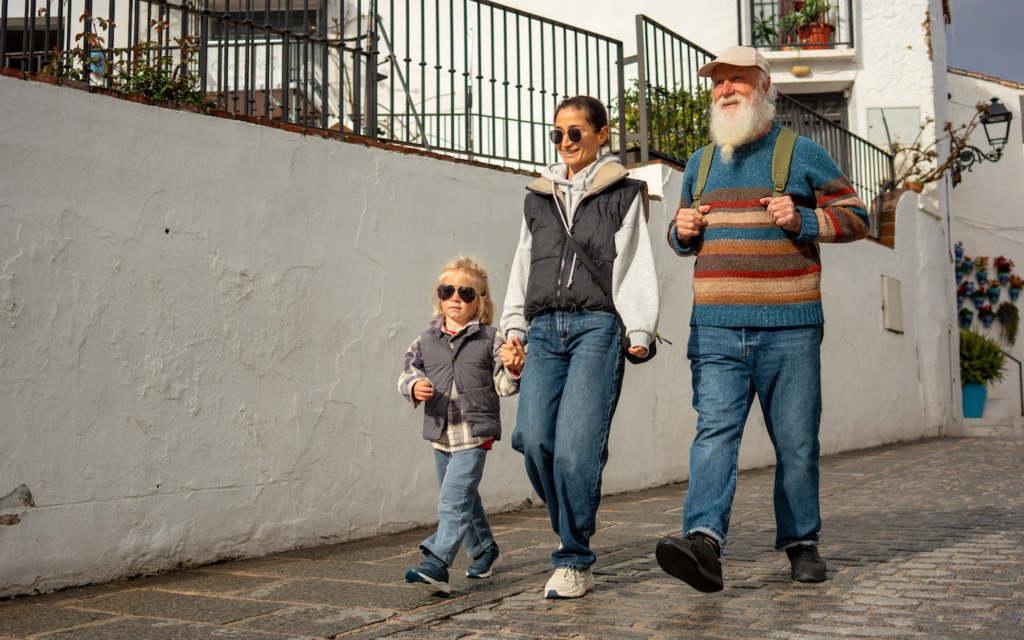
The concern is particularly strong among people approaching later life themselves. Photo credit: sutulastock/Shutterstock
You might worry about your parents becoming isolated as they get older, while your children or younger relatives struggle to afford a home or build an independent life. For millions of people in Spain, those concerns now appear to have something in common: both generations are widely seen as being overlooked by society. Almost seven in 10 Spaniards believe society does not care enough about young people, while the figure rises to almost three quarters when it comes to older people.
A new survey has exposed a striking sense that people at opposite ends of the age spectrum are being left without enough support. The figures come from the WIN World Survey 2026, with the Spanish study carried out by Instituto DYM among 1,000 people. 72.9 per cent said society does not pay enough attention to older people, while 68.8 per cent said the same about young people.
Older people feel forgotten
The concern is particularly strong among people approaching later life themselves. Among those aged between 46 and 65, 77.8 per cent believe society does not care enough about older people. Women were also more likely to express concern, with 74.6 per cent saying older people receive insufficient attention. Only 23.3 per cent of those surveyed disagreed with the overall assessment.
For families, the issue can be difficult to separate from everyday life. Older relatives may live alone after losing a partner, have fewer opportunities to socialise or find themselves increasingly dependent on family members for help. Being overlooked can also mean feeling disconnected from a society that is changing rapidly around them. The survey does not identify isolation as the specific reason behind the figures, but it shows how widespread the concern has become about the way older people are treated.
Young people face a different struggle
Young Spaniards are also seen as being let down, although their problems are very different. 68.8 per cent of respondents believe society does not care enough about young people. Among women, the figure rises to 70.3 per cent. For many younger adults, independence can be difficult to achieve when housing costs and employment conditions make it harder to establish a secure financial footing.
That can affect major decisions that were once considered normal milestones: leaving the family home, renting alone, buying a property or starting a family. A 2026 report by Fundación SM found that young Spaniards rated access to suitable housing as one of their biggest difficulties, scoring it 6.7 out of 10. Financial independence scored 6.2, while forming a family was rated 6.1. For someone trying to build a life, those pressures can make the future feel increasingly difficult to plan.
Two generations, one complaint
The survey’s most striking finding is that both generations are viewed as being overlooked. Older people and young adults are not facing the same problems. One generation may worry about loneliness, independence and access to support, while the other struggles with housing, employment and financial security.
Yet the public perception is similar: neither group is receiving enough attention. That matters for Spain because the country is also dealing with a changing population structure. As people live longer, the need for care and support for older residents will increase. At the same time, Spain needs younger generations to establish themselves, work and form families. If young adults cannot achieve financial independence while older people feel increasingly disconnected, the pressure affects families across generations.
Women express greater concern
Women were more likely than the overall Spanish sample to believe society is failing both groups. For older people, the difference was 74.6 per cent among women compared with 72.9 per cent overall. For young people, 70.3 per cent of women expressed concern compared with 68.8 per cent across the full sample.
The survey also found particularly high concern about older people among retired or incapacitated respondents, reaching 77.6 per cent. These differences suggest that perceptions vary depending on people’s own circumstances and their position within the family and wider society.
A concern beyond Spain
The Spanish results form part of a much larger international survey involving 44,000 people across 45 countries. Around two thirds of people worldwide consider age discrimination to be a serious problem, showing that concerns about how different generations are treated extend well beyond Spain.
But the Spanish figures stand out for the strength of the feeling at both ends of the age spectrum. This is not simply a case of young people believing they are being ignored while older generations receive greater attention. Large numbers of Spaniards believe both are being overlooked.
What happens next?
The survey does not claim that every young person feels abandoned or that every older person feels forgotten, it also does not establish a single reason for these opinions. What it does reveal is a clear public concern that spans generations. Almost three quarters of Spaniards believe society does not care enough about older people, while almost seven in 10 say the same about young people.
For families dealing with ageing parents, adult children unable to afford their own homes or young relatives struggling to find financial security, the figures may sound familiar. Spain’s youngest and oldest generations may be living through very different realities. But the message from this survey is the same from both ends of the age spectrum: they want to be seen, heard and valued.
Follow Euro Weekly News on Google News
Get breaking news from Spain, travel updates, and expat stories directly on your Google News feed.
Follow on Google NewsSign up for personalised news
Subscribe to our Euro Weekly News alerts to get the latest stories into your inbox!
By signing up, you will create a Euro Weekly News account if you don't already have one. Review our Privacy Policy for more information about our privacy practices.




Molly Grace
Molly is a British journalist and author who has lived in Spain for over 25 years. With a background in animal welfare, equestrian science, and veterinary nursing, she brings curiosity, humour, and a sharp investigative eye to her work. At Euro Weekly News, Molly explores the intersections of nature, culture, and community - drawing on her deep local knowledge and passion for stories that reflect life in Spain from the ground up.
Comments