Spain’s 740,000-home shortage means renters and buyers could be stuck until 2034
By Harry Dennis • Updated: 26 Aug 2026 • 12:10 • 3 minutes read
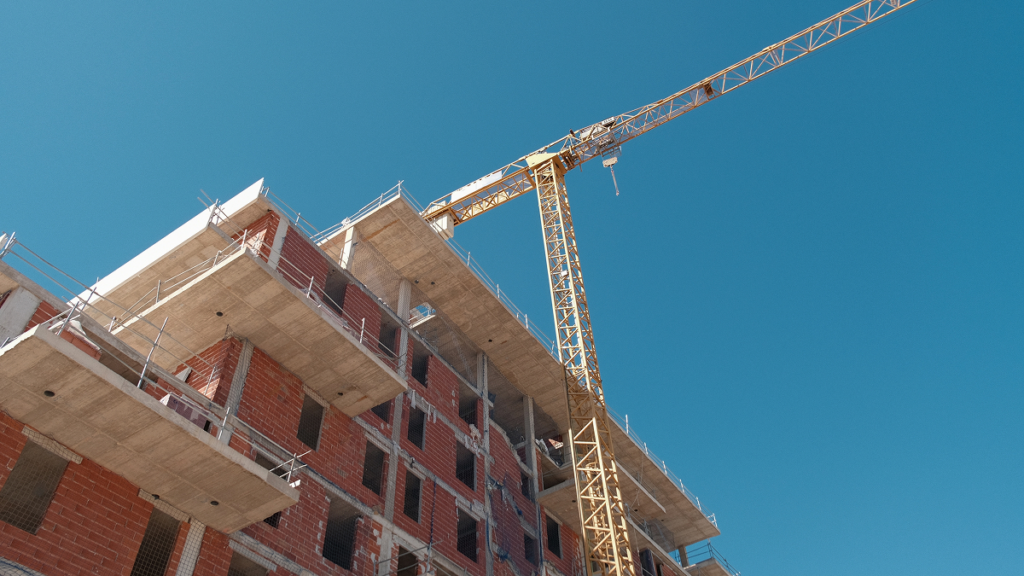
Spain's home shortage means renters and buyers could be stuck until 2034. Credit: Veja / Shutterstock
Spain built more new homes in 2024 than in any year since the financial crash, yet the country has still fallen further behind and is no closer to catching up. A new report says the shortage squeezing renters and buyers will not ease until 2034, and only with construction on a scale barely attempted since the boom years.
The massive gap between new builds and new households since 2021
Spain formed 1.2 million new households between 2021 and now, as people moved out on their own, started families or arrived from abroad. Well, only 474,000 new homes were completed over the same period, according to OBS Business School’s 2026 Real Estate Market Report. That leaves a shortfall of 740,000 homes, a gap the report’s authors say now touches nearly every province in the country, not just the biggest cities.
“New homes keep being built where they are needed least, and building stalls where they are needed most,” said Carlos Balado García, the report’s author, describing a market that is failing to put supply where demand actually is.
Why the shortfall could last until at least 2034
Even if construction speeds up sharply from here, the report says Spain’s housing deficit cannot be corrected in under eight years. That would take the country to 2034 before supply and demand come back into balance.
Reaching that point depends on building more than 230,000 homes a year from now on, more than double the roughly 102,000 completed in 2024, itself the strongest year for construction in over a decade. It is a 128 per cent increase that would need to be sustained every year consistently in order to get back on track.
Spain is still building at a fraction of the rate seen before the financial crash
The scale of the slowdown becomes even more clear when set against Spain’s own recent history. The country is currently starting just 2.7 new homes for every 1,000 people who live there. Before the 2008 financial crisis, that figure was close to 20 homes per 1,000 people, more than seven times higher than today’s rate. It’s one of the clearest signs of how far construction has fallen after the crash, and how slowly it’s recovered since.
Second-hand home prices have just hit their highest level on record
The long-term shortage is already showing up in what buyers pay today. Second-hand homes across Spain cost an average of €2,933 per square metre in July, according to Idealista’s most recent price index, the highest figure the property portal has recorded since it began tracking the market.
That average is more than 13 per cent higher than the same month last year, and marks the third month in a row that prices have reached a fresh all-time high. The gap between regions remains wide as well: homes in the Balearic Islands cost more than five times as much per square metre as those in Extremadura, one of the more obvious examples of how unevenly the shortage is being felt in different locations.
Mortgage payments already cost more than experts consider safe
The strain is not limited to those trying to buy either. The report estimates the average Spanish household must now put 44 per cent of its disposable income towards mortgage payments in the first year of a loan, well above the 35 per cent economists generally regard as a safe limit. Rents are forecast to keep rising by around 10 per cent a year, and the report estimates half of renting families would need more than three decades of savings to buy a home outright. So unless building rates change sharply and quickly, the pressure identified in the report looks set to remain a fixture of life in Spain for years to come.
Follow Euro Weekly News on Google News
Get breaking news from Spain, travel updates, and expat stories directly on your Google News feed.
Follow on Google NewsSign up for personalised news
Subscribe to our Euro Weekly News alerts to get the latest stories into your inbox!
By signing up, you will create a Euro Weekly News account if you don't already have one. Review our Privacy Policy for more information about our privacy practices.




Harry Dennis
Born in the UK and raised on the Cádiz coast, Harry brings his background in design, music, and photography to his writing for Euro Weekly News, sharing stories that celebrate culture and lifestyle across Spain and beyond.
Comments