Your complete guide to planning the perfect Egypt tour
By Guest Writer • Updated: 27 Aug 2026 • 14:15 • 3 minutes read
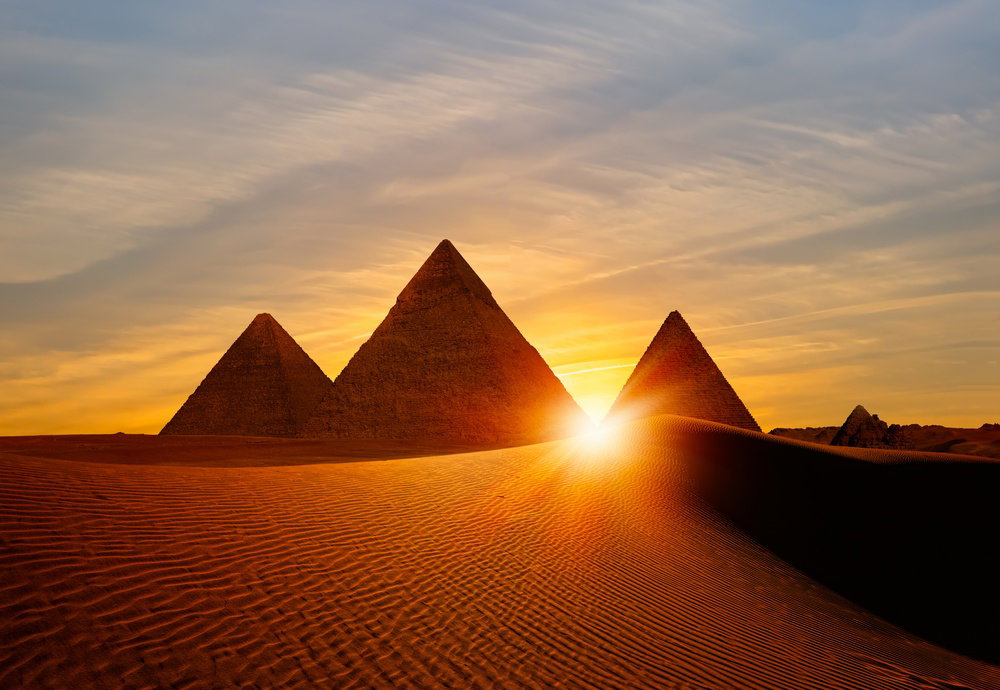
Image: Muratart/Shutterstock.com
Egypt has been on countless travel bucket lists for centuries, and honestly, it is not hard to see why. From towering pyramids to golden desert dunes and ancient temples that seem frozen in time, this country offers something that very few destinations in the world can match. But planning a trip here can feel overwhelming if it is your first time.
There are so many choices, regions, and experiences to think about. That is exactly why finding the right itinerary early in the planning makes such a big difference. A well-structured tour takes the guesswork out of the journey and lets travellers focus on actually enjoying one of the most fascinating places on earth.
Decide what kind of Egypt experience you want
Egypt is not a one-size-fits-all destination. Some travellers come purely for ancient history and want to spend every day at archaeological sites. Others are drawn to the Red Sea coast for diving and beach relaxation. There are also those who want a mix of desert adventure, Nile cruising, and cultural exploration all packed into one trip.
Before booking anything, take a moment to think about what actually matters most. That one decision shapes everything else, from how many days to book to which cities deserve a spot on the itinerary.
Choose the right time of year to visit
Egypt gets extremely hot during summer months, with temperatures in places like Luxor and Aswan regularly climbing above 40 degrees Celsius. The most comfortable time to visit is between October and April, when the weather is warm but manageable and outdoor sightseeing feels genuinely enjoyable rather than exhausting.
Winter months also bring slightly more tourists, so popular sites like the Pyramids of Giza can get busy in the mornings. Traveling in shoulder months like October or March tends to offer a nice balance of good weather and fewer crowds.
Plan your Egypt itinerary around key regions
Egypt is a large country, and trying to see everything in one trip is a common mistake. Most tours focus on three main regions: Cairo and Giza, Upper Egypt which includes Luxor and Aswan, and the coastal areas like Hurghada or Sharm el-Sheikh. Cairo alone deserves at least two to three days because of the Egyptian Museum, the Pyramids of Giza, and the lively Khan el-Khalili bazaar.
Adding a Nile cruise between Luxor and Aswan covers the ancient temple circuit beautifully, including Karnak, the Valley of the Kings, Edfu and Kom Ombo. Abu Simbel is further south and is usually visited as a separate trip from Aswan. Coastal stops are worth adding for those who want some downtime between the history-heavy days.
Book guided tours for historical sites
Walking through a place like the Pyramids of Giza or the temples of Luxor without any context can feel like flipping through a book written in a language that is impossible to read. A knowledgeable local guide changes that completely. They bring the stories behind the stones to life, explain the significance of carvings and inscriptions, and help travellers understand just how much history is packed into every corner of this country.
Having a guide on board turns a simple visit into a proper learning experience, and most quality tour packages already build this in. Travellers who want the best Egypt tours should prioritise itineraries that pair iconic sites with knowledgeable local guides, because that combination is what separates a good trip from a truly great one.
Sort out transport and accommodation early
Egypt offers a range of transport options between cities, including domestic flights, overnight trains, and Nile cruises. Flights between Cairo and Luxor or Aswan are quick and affordable, making them a practical choice when time is limited. Overnight trains are a more budget-friendly option and have a certain old-school charm to them, though comfort levels vary.
Accommodation across Egypt ranges from budget guesthouses to luxury five-star resorts, and availability at well-known spots tends to fill up fast during peak season. Sorting out both transport and hotels well in advance removes a lot of last-minute stress.
Understand local customs and practical tips
A little cultural awareness goes a long way in Egypt. Dress modestly when visiting mosques, temples, and religious sites, which usually means covering shoulders and knees. Tipping, known locally as baksheesh, is a normal part of daily life and service culture here, so keeping small change handy is genuinely useful.
Bargaining is expected in markets and bazaars, and it is actually one of the more fun parts of shopping in Egypt once travellers get comfortable with it. Staying hydrated is important, especially during warmer months, and always drinking bottled or filtered water is strongly recommended.
Conclusion
Egypt rewards those who plan thoughtfully and arrive with curiosity. The history here is so deep and layered that even a week barely scratches the surface, yet every single day spent exploring this country feels genuinely memorable. From the first glimpse of the pyramids rising above the desert to watching the sun set over the Nile, these moments have a way of staying with travellers long after the trip ends.
With a clear plan, the right guidance, and an open mind, an Egypt tour can easily become the most remarkable travel experience of a lifetime.
Follow Euro Weekly News on Google News
Get breaking news from Spain, travel updates, and expat stories directly on your Google News feed.
Follow on Google NewsSign up for personalised news
Subscribe to our Euro Weekly News alerts to get the latest stories into your inbox!
By signing up, you will create a Euro Weekly News account if you don't already have one. Review our Privacy Policy for more information about our privacy practices.




Guest Writer
Comments