Ceuta was invaded. Sánchez went on holiday. Why is he still in power?
By Nazario Rodriguez • Updated: 04 Sep 2026 • 11:39 • 5 minutes read
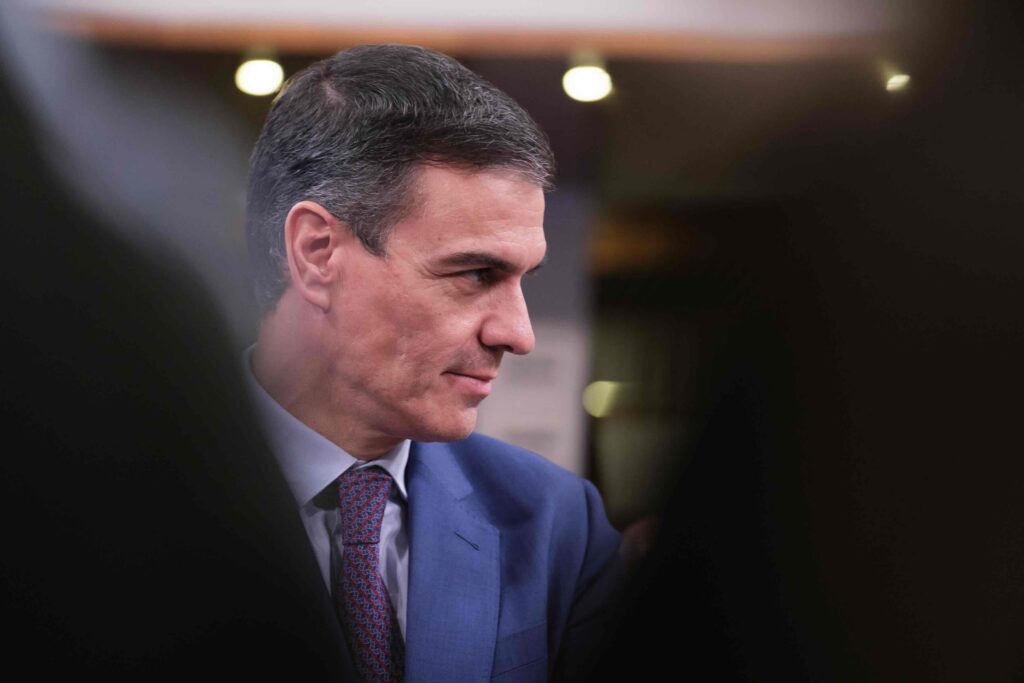
Pedro Sánchez faces renewed pressure after a police report described alleged active involvement by Moroccan security personnel during the Ceuta invasion. Editorial credit: OSCAR GONZALEZ FUENTES / Shutterstock.com
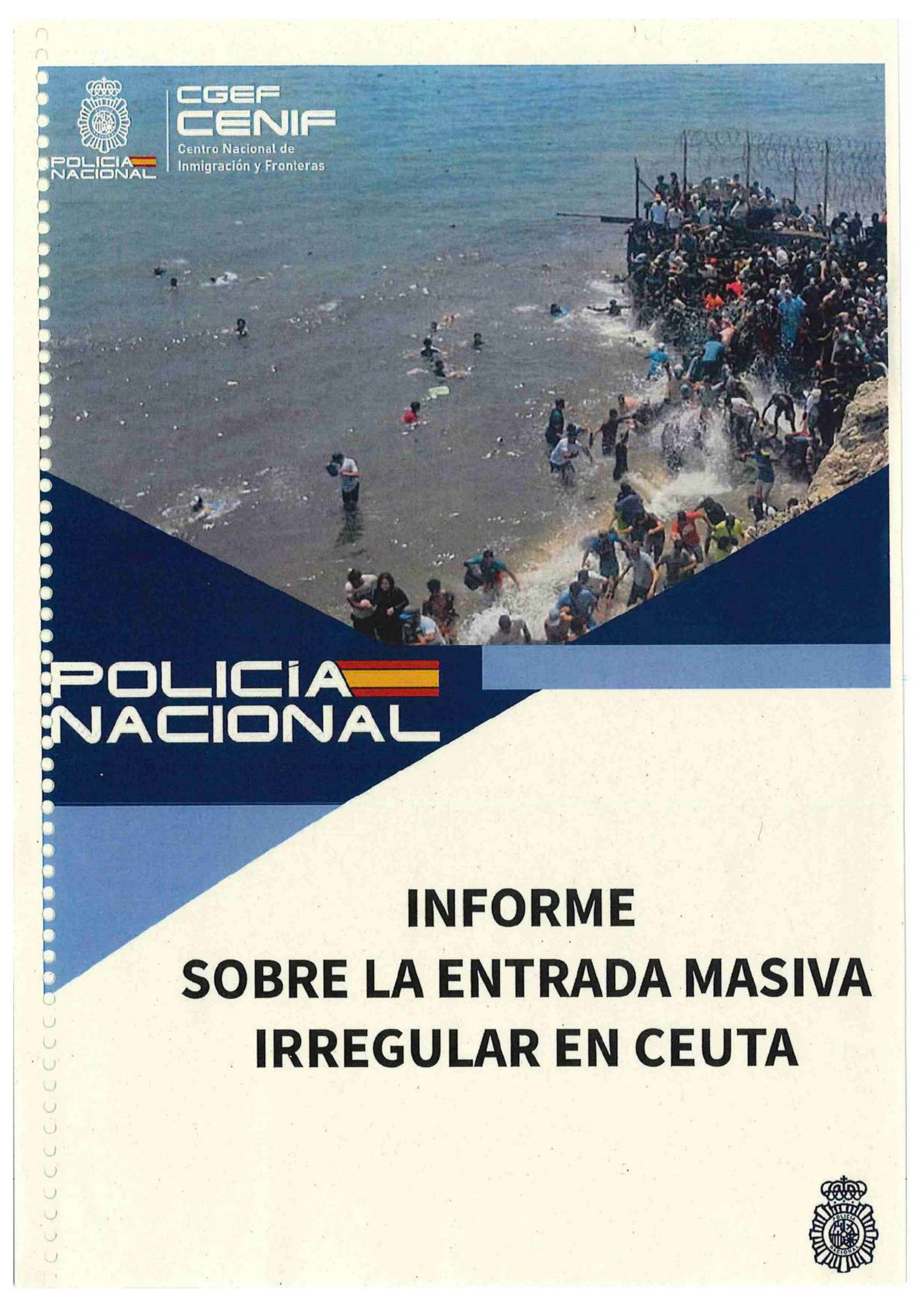
Spanish police say Moroccan security personnel did not merely stand aside as Ceuta was invaded. Their report describes uniformed officers directing people towards crossing points, while plain clothes figures mixed into the crowd, monitored the operation and actively guided the mass towards the border.
That is the context in which Pedro Sánchez went on holiday.
More than 70,000 people entered a Spanish city in two days. Ceuta was overwhelmed, residents were left living with the consequences and police intelligence had issued warnings before the invasion. Yet Sánchez later insisted there was no solid evidence that Morocco had planned or carried it out, while his government directed blame towards people smugglers, online rumours and foreign disinformation.
The question now confronting Spain is not simply whether the government reacted too slowly. It is whether Sánchez was telling the public the truth about one of the gravest attacks on Spanish territory in recent years.
For the full background on why Ceuta is Spanish territory, why Morocco claims it and why the city matters so much, read our Ceuta explainer.
The report says Moroccan agents helped guide the invasion
The CENIF report does not describe a spontaneous rush across the border. It says the operation had been planned in advance and involved a level of organisation far beyond the capability of the people smuggling networks active around Ceuta.
Investigators found that Moroccan security deployment around the crossing area was far smaller than usual on July 30. They say the officers who were present showed what amounted to total permissiveness, with no serious effort recorded to disperse people, move them away from the border or stop the mass crossing.
More seriously, the report refers to uniformed Moroccan officers giving directions towards the crossing points. It also identifies people in plain clothes who appeared not to be part of the crowd, but who were seen monitoring, directing and pushing people towards El Tarajal.
Police describe these men as active figures on the ground. They appeared to give instructions, monitor the movement of people and show control over the operation while the crowd made its way towards Spanish territory.
That finding matters because it directly challenges the government’s effort to explain the invasion as the work of criminal gangs and online misinformation. The report says the known trafficking networks could move only a few hundred people a day, not tens of thousands in a carefully timed operation designed to overwhelm a border.
Our earlier report on the police documents and the questions facing Sánchez can be read here.
Sánchez said there was no evidence
Sánchez has insisted that no Spanish or international institution had produced solid evidence that Morocco planned or carried out the invasion. He has accepted that Moroccan police allowed crossings during a key period, but has argued that it is not known whether this was due to inaction or an inability to contain the crowd.
That argument becomes far harder to accept after reading the police assessment.
The report does not name a Moroccan minister or produce a written order from Rabat. It does, however, set out evidence that Moroccan officers and plain clothes figures played an active role on the ground, at a border where Morocco has the manpower and capacity to stop mass crossings when it chooses.
The contrast with an attempted crossing in 2024 is particularly damaging. The report notes that Morocco acted quickly and forcefully then, detaining thousands of people and preventing the attempt from reaching the border fence. In July 2026, police say the security structure was effectively absent or permissive during an operation lasting more than 48 hours.
RTVE’s detailed report on the CENIF findings sets out the evidence police say points to prior planning, reduced Moroccan security deployment and active guidance of people towards crossing points.
Ceuta was left to live with the result
The invasion may have begun at the border, but its consequences were pushed into every part of Ceuta. Thousands of people remain in the city, placing a huge burden on accommodation, public services, healthcare and policing in a territory with limited land and resources.
Residents have watched makeshift camps emerge, normal routines disappear and the sense of safety in their own city weaken. For them, this is not a distant political row between Madrid and Rabat. It is the continuing reality of living in a place that was overwhelmed and then left waiting for a proper national response.
Sánchez visited Ceuta on July 31 and promised that the state would act. He then spent 23 days on holiday in Lanzarote while the city continued to struggle with the humanitarian, social and security crisis.
He has said he was entitled to rest and that he continued working during August. That may be true, but it misses the political point. A Prime Minister is judged not only by meetings held behind closed doors, but by whether a country can see its leader taking control when a Spanish city has been invaded.
Even Sánchez’s allies are losing patience
The PP and Vox have demanded resignations and early elections, which Sánchez will dismiss as predictable opposition politics. The real problem is that anger is no longer confined to the opposition benches.
Sumar and IU have accused the PSOE of inaction and of failing to understand the scale of the emergency. The PNV says Sánchez was not up to the task and left behind a feeling of abandonment and disbelief. EH Bildu has called for a rethink of Spain’s approach to Morocco, while ERC has criticised the government for leaving both Ceuta residents and people without adequate services in an impossible situation.
Sánchez is still protected by the numbers in Congress. Spain does not automatically remove a Prime Minister after a crisis, however serious it may be. He would have to resign, lose a vote of no confidence or see the parties supporting him decide that his political cost is now too high.
For the moment, those allies are criticising him without bringing down the government. That is why he remains in office.
The question Spain cannot avoid
Ceuta is still waiting for normal life to return. The police report says Moroccan security personnel and plain clothes figures were not passive witnesses to the invasion, but active participants in guiding the crowd towards Spanish territory.
Sánchez’s government must now explain what it knew, when it knew it and why it so firmly downplayed Morocco’s possible role. It must also explain why Ceuta was left to carry the consequences while its Prime Minister took a long summer break.
In another country, that might already have ended a leader’s career. In Spain, it may depend on whether Sánchez’s allies decide that their criticism has finally reached the point where they can no longer keep him in power.
Follow Euro Weekly News on Google News
Get breaking news from Spain, travel updates, and expat stories directly on your Google News feed.
Follow on Google NewsSign up for personalised news
Subscribe to our Euro Weekly News alerts to get the latest stories into your inbox!
By signing up, you will create a Euro Weekly News account if you don't already have one. Review our Privacy Policy for more information about our privacy practices.

Nazario Rodriguez
I’ve worked in news media for over 10 years, previously as Production Manager at Euro Weekly News, and I now focus on audience strategy and content performance. I specialise in understanding what readers engage with and shaping content that serves them well.
Comments