Hired for one job, told to clean toilets: Spain’s Supreme Court draws the line
By Molly Grace • Published: 07 Sep 2026 • 17:25 • 3 minutes read
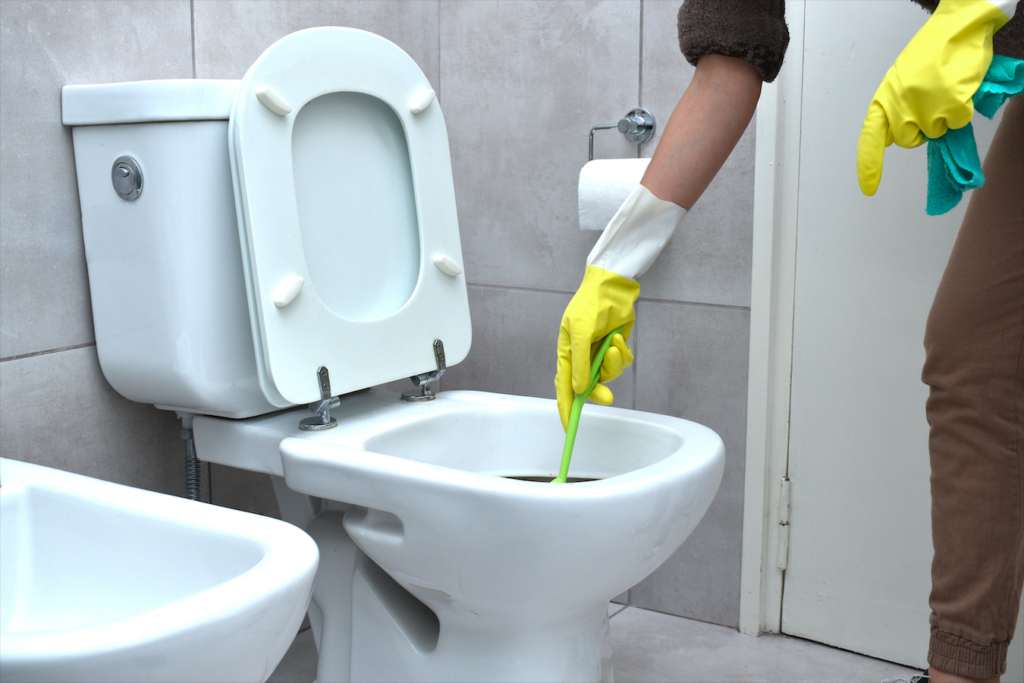
How far can an employer stretch a job description? Photo credit: Felix Santiago Allendes/Shutterstock
Have you ever been hired for a specific job, only to find yourself doing things that were never in your job description? Well, some supermarket workers in Spain have just been given a legal line they cannot be forced to cross. The Supreme Court has ruled that certain supermarket employees cannot be required to clean toilets, changing rooms and other common areas when those duties fall outside the work covered by their professional classification.
The ruling does not apply to every supermarket worker in Spain at the moment it only concerns employees at Mercartabria SLU, which operates Gadis supermarkets in A Coruña, and centres on what their collective agreement and professional classification actually require them to do.
Cleaning your section is one thing, cleaning the toilets is another
The dispute came down to a fairly ordinary workplace question: how far can an employer stretch a job description? The workers could be required to clean the supermarket sections where they carried out their normal duties. Those areas included departments such as the bakery, fish counter, butcher’s, fruit and vegetable section and sales areas.
But the Supreme Court found that toilets, changing rooms and other common areas were not supermarket “sections” in the legal sense used by the applicable agreement. That meant the company could not rely on the same provision to require the affected Group III workers to clean those facilities. For someone employed to work on the shop floor, at the checkout or in a particular department, that distinction can make a significant difference to what they are expected to do during a working day.
The health risks were also different
There was another reason the toilet-cleaning duties were a concern. The court examined how the work was actually being carried out. Workers cleaning toilets and common areas were using the same clothing they wore for their normal supermarket duties. They used gloves available in the stores and a general cleaning product supplied by the company.
The company’s existing risk assessments covered cleaning in ordinary working areas, but did not specifically assess the risks associated with cleaning toilets and similar facilities. The Supreme Court noted that sanitary cleaning can involve exposure to biological agents, including bacteria, viruses, parasites and fungi. That made the task different from simply keeping a checkout, sales area or supermarket department clean.
It is not a blanket ban on toilet cleaning
The judgment does not give every supermarket worker in Spain an automatic right to refuse the task. It concerns the particular dispute involving Mercartabria, the workers’ professional classification and the collective agreement applying to them. The Supreme Court partially upheld an appeal brought by the Confederación Intersindical Galega (CIG) and recognised the affected Group III employees’ right not to perform cleaning duties in toilets and common areas. Other supermarket employees may have different contracts or be covered by different collective agreements.
The court did not call the work degrading
The Supreme Court also rejected some of the arguments made during the case. It did not find that asking employees to perform toilet-cleaning duties was, by itself, an attack on their dignity. It also rejected the claim that the arrangement amounted to sex discrimination.
The issue was more specific: whether these particular employees could be given these particular duties under the rules governing their employment. The court decided they could not.
What supermarket workers should take from the ruling
The judgment does not mean that every employee who works on a supermarket checkout or fills shelves can now refuse any cleaning task. What it does establish for the workers covered by the case is a clearer boundary between keeping their own working area clean and being assigned responsibility for shared facilities such as customer toilets and changing rooms.
The Supreme Court’s decision therefore turns a seemingly small workplace task into a question of professional duties, collective agreements and health and safety. For the employees directly covered by the judgment, cleaning their supermarket section can still be part of the job. Being sent to clean the toilets is another matter
Follow Euro Weekly News on Google News
Get breaking news from Spain, travel updates, and expat stories directly on your Google News feed.
Follow on Google NewsSign up for personalised news
Subscribe to our Euro Weekly News alerts to get the latest stories into your inbox!
By signing up, you will create a Euro Weekly News account if you don't already have one. Review our Privacy Policy for more information about our privacy practices.





Molly Grace
Molly is a British journalist and author who has lived in Spain for over 25 years. With a background in animal welfare, equestrian science, and veterinary nursing, she brings curiosity, humour, and a sharp investigative eye to her work. At Euro Weekly News, Molly explores the intersections of nature, culture, and community - drawing on her deep local knowledge and passion for stories that reflect life in Spain from the ground up.
Comments