Not even one beer: Spain’s 0.2 drink-drive limit could finally come into effect
By Harry Dennis • Updated: 08 Sep 2026 • 13:55 • 3 minutes read
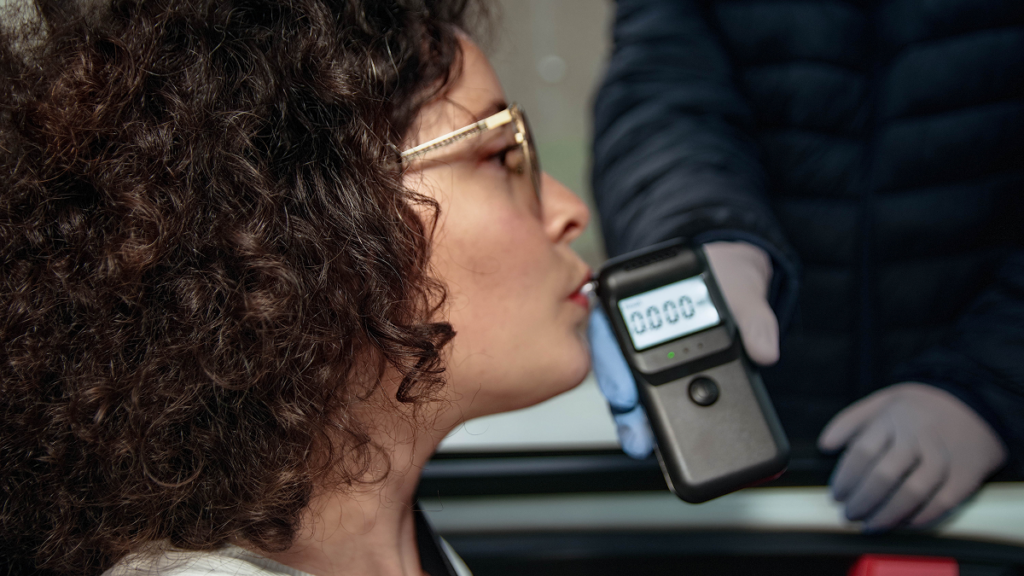
Spain’s proposal would cut the general blood alcohol limit from 0.5 to 0.2 grams per litre. Credit: AlvaroRT / Shutterstock
A small beer with lunch would be enough to put most drivers over the line, and the bill that would do it is back on the table. It lost by a single vote in March, and it returns to Congress with nothing changed.
Interior Minister Fernando Grande-Marlaska confirmed on Monday September 7 that the government will again push its proposal to cut the blood alcohol limit for drivers from 0.5 to 0.2 grams per litre, in the parliamentary session that has just begun. He was speaking at DGT headquarters in Madrid while presenting Spain’s summer road-safety figures.
Nothing changes at the roadside for now. The 0.5 limit stays in force unless Congress votes for the change, and the last attempt failed by the narrowest margin possible.
What a 0.2 limit would mean at the wheel
The proposed rate is 0.2 grams per litre in blood, or 0.1 milligrams per litre in exhaled air. Pere Navarro, director general of the DGT (the Spanish traffic authority), was blunt when the plan was first put forward: at 0.2, a driver “cannot drink absolutely anything“. He has described the figure as close to zero tolerance. A single glass of wine or a caña before driving would no longer leave any dependable margin.
Most drivers in Spain are currently allowed 0.5 grams per litre in blood, or 0.25 milligrams per litre in breath. Novice drivers in their first two years and professional drivers, including lorry, bus and taxi drivers, are held to 0.3. The bill would remove that split and apply 0.2 to everyone.
The vote that was lost by one
The proposal was defeated on Wednesday March 18 in the Congress Interior Committee, sitting with full legislative powers, by 19 votes to 18. PP, Vox, ERC and UPN voted against it. Their reasons differed. PP argued the change belonged in traffic regulations rather than in the law itself, Vox called the measure revenue-driven, and ERC withdrew support after its own amendments on traffic examiners in Cataluña were rejected.
Marlaska asked on Monday that no parliamentary group subject the bill to what he called unmentionable political horse-trading, saying the debate was about saving lives and nothing else.
Sharing the location of an alcohol check would become an offence
The returning text carries more than just the headline number. It would also ban spreading, by any public or private means, information on where police alcohol and drug checkpoints are set up, which covers social media posts and navigation apps that flag them to other drivers. Individual users who share those locations could be sanctioned.
The penalties are graded, running from two licence points for a reading between 0.2 and 0.5 up to six points and a €1,000 fine at the top band. The law would take effect two months after publication in the Boletín Oficial del Estado, the state gazette.
The summer figures behind the new push
Marlaska raised the bill while reporting that 240 people died in 218 fatal crashes on Spanish roads in July and August, 10 more than in the same period last year and an average of four deaths a day. Roughly half of the drivers killed on Spanish roads last year had alcohol, drugs or prescription medication in their system, according to the DGT toxicology report published in July. Alcohol alone was found in about a third of the cases analysed.
That report also feeds the opposing argument. Among drivers who tested positive for alcohol, a large share were well beyond the current limit rather than fractionally over it, which critics have used to question whether a 0.2 threshold would reach the drivers doing the most damage.
The numbers haven’t changed, and the same result could be looming
The bill has to be registered and taken into consideration again before it can reach another committee vote, and Marlaska gave no date beyond the current session, which runs to December.
The numbers in the committee remain the same since March, and unless one of the four parties that blocked it decides to have a change of heart, the same outcome could be waiting on the other side, while drivers may still keep their slightly wider leniency during a test.
Follow Euro Weekly News on Google News
Get breaking news from Spain, travel updates, and expat stories directly on your Google News feed.
Follow on Google NewsSign up for personalised news
Subscribe to our Euro Weekly News alerts to get the latest stories into your inbox!
By signing up, you will create a Euro Weekly News account if you don't already have one. Review our Privacy Policy for more information about our privacy practices.


Harry Dennis
Born in the UK and raised on the Cádiz coast, Harry brings his background in design, music, and photography to his writing for Euro Weekly News, sharing stories that celebrate culture and lifestyle across Spain and beyond.
Comments