Woman drowns in street as torrential rain causes flooding and major disruption across Spain
By Molly Grace • Published: 09 Sep 2026 • 23:53 • 2 minutes read
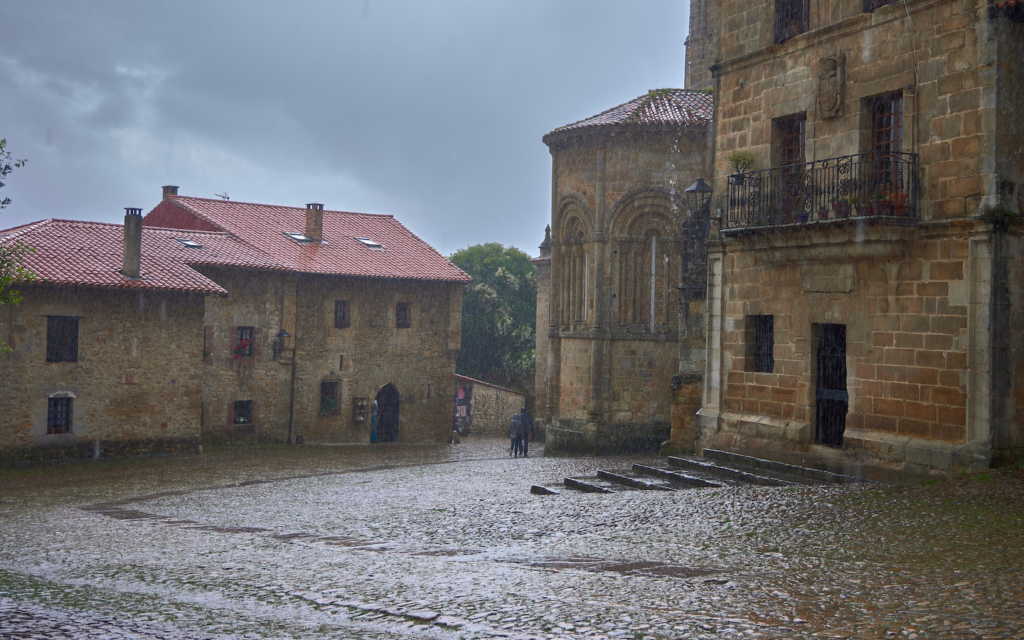
The storm also caused significant disruption further north in Cataluña. Photo credit: Ricardo J de E/Shutterstock
When heavy rain starts falling, most of us think about getting home before the roads become difficult, finding shelter and waiting for the worst of the storm to pass. But in parts of Spain on Wednesday, September 9, the weather became dangerous within minutes, with torrential rain, flooding and powerful winds causing widespread disruption across the Balearic Islands and Cataluña.
One woman has died in Mallorca after being swept away by floodwater in the middle of the street, while thousands of people in Cataluña faced cancelled classes, travel disruption and warnings to avoid unnecessary journeys as severe storms moved across the region.
Woman swept away in Mallorca
The 63-year-old woman died in Felanitx at around 03:00pm on Wednesday after apparently slipping or tripping in Calle Bellpuig during the intense rainfall. According to the Guardia Civil, the circumstances are still being investigated. Initial information indicates that she may have been heading to work when she fell and was swept along by the water, eventually becoming trapped underneath a vehicle. Neighbours alerted emergency services and attempted to revive her before medical teams arrived, but unfortunately she could not be saved.
The incident came as Mallorca was hit by particularly intense rainfall and strong winds. By 06:00pm, emergency services had recorded 154 weather-related incidents across the Balearic Islands, including 132 in Mallorca. Fallen trees accounted for 55 of the incidents, while another 38 involved flooding affecting buildings, businesses or roads. There were also reports of interruptions to basic services, damaged urban structures, obstacles on roads and risks of landslides.
Cataluña placed under severe weather restrictions
The storm also caused significant disruption further north in Cataluña, where authorities had taken preventative measures before the heaviest rain arrived. Five administrative areas of Cataluña, Baix Llobregat, Vallès Occidental, Garraf, Alt Penedès and Baix Penedès, were placed under restrictions because of the risk of torrential rainfall. Schools, universities and some outdoor activities were suspended, while residents were urged to work from home where possible and avoid unnecessary travel.
The measures were particularly important because forecasters had warned of potentially violent weather, including torrential downpours, hail measuring more than two centimetres across, winds exceeding 90 kilometres per hour and a possible risk of tornadoes in parts of Cataluña.
Some areas received more than 30 litres of rain per square metre in a short period, with Sitges recording 46 litres and Vilanova i la Geltrú 35 litres. The Garraf area later recorded more than 50 litres per square metre in a short period. The weather also affected transport. Around 30 flights were cancelled at Barcelona airport, while rail services experienced delays. The local Bombers reported multiple callouts linked to the rainfall, although no serious incidents had been reported from those interventions at the time of reporting.
Conditions remain changeable
By Wednesday afternoon, the Generalitat had lifted the most restrictive mobility measures in the five affected comarcas after determining that rainfall had not been as intense as some forecasts had suggested. Other preventative measures, including the suspension of classes, remained in place until 05:00pm. The wider weather system affected several parts of eastern Spain, with Aemet maintaining warnings for heavy rain, storms, hail and strong winds across Cataluña, the Balearic Islands, the Valencia region, Murcia and Almería.
In Cataluña, rainfall reached 88 litres per square metre in Ripoll, while Mallorca recorded wind gusts of up to 109 kilometres per hour. Authorities have continued to urge people to avoid flooded areas and unnecessary journeys while conditions remain unsettled, particularly around torrents, low-lying roads and areas vulnerable to flooding.
Follow Euro Weekly News on Google News
Get breaking news from Spain, travel updates, and expat stories directly on your Google News feed.
Follow on Google NewsSign up for personalised news
Subscribe to our Euro Weekly News alerts to get the latest stories into your inbox!
By signing up, you will create a Euro Weekly News account if you don't already have one. Review our Privacy Policy for more information about our privacy practices.



Molly Grace
Molly is a British journalist and author who has lived in Spain for over 25 years. With a background in animal welfare, equestrian science, and veterinary nursing, she brings curiosity, humour, and a sharp investigative eye to her work. At Euro Weekly News, Molly explores the intersections of nature, culture, and community - drawing on her deep local knowledge and passion for stories that reflect life in Spain from the ground up.
Comments