EU changes course on EES as nine countries further delay biometric checks
By Molly Grace • Published: 14 Sep 2026 • 21:49 • 3 minutes read
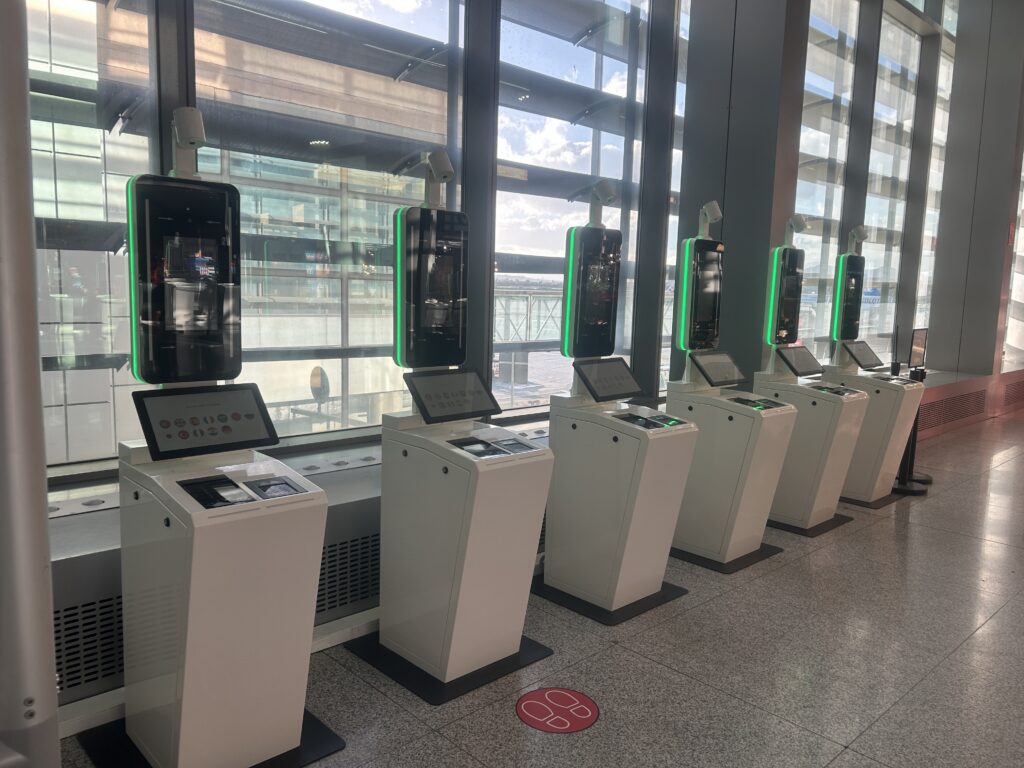
The latest development puts the EU in an uncomfortable position. Photo credit: Colinmthompson/Shutterstock
If you are travelling into the Schengen area from outside the EU, you may have been expecting the new biometric border checks to become unavoidable this month. Instead, the rules have taken another turn. Nine Schengen countries have told Brussels they are not ready to fully enforce the EU’s Entry/Exit System (EES), and the European Commission has reportedly agreed to let them delay the checks while technical problems are sorted out.
France and Portugal are among the nine countries, alongside Belgium, Germany, Greece, Italy, Malta, the Netherlands and Switzerland. The development comes just days after the temporary flexibility built into the system expired on September 6. That arrangement had allowed countries to temporarily suspend biometric registration when queues became too long, helping airports deal with the summer rush. Now, the countries concerned are effectively being allowed more time.
Nine countries hold back on full EES rollout
The nine countries have reportedly told the Commission that they will not fully enforce the new controls until the necessary technology and systems are working properly. According to the latest reports, Brussels has informally agreed to the delay in order to maintain what officials describe as “border fluidity” and avoid a repeat of severe queues at busy crossings.
The European Commission has not publicly confirmed the arrangement in detail. The decision affects some of Europe’s busiest tourist destinations, with several major airports still struggling with queues and technical problems.
Why is Spain not one of them?
Spain is notably absent from the list, despite also experiencing problems with EES during its rollout. Spanish airports previously had the ability to temporarily pause biometric registration when queues became excessive during the transition period. However, Spain has continued with full implementation after the September 6 deadline rather than asking Brussels for the additional flexibility now being used by the nine countries. That does not mean Spain avoided the technical problems affecting other European countries.
The difference is that Spain is currently considered capable of operating the system in full, while the nine countries seeking further flexibility still have problems at some of their border crossing points. For travellers, that means the experience can vary considerably depending on where they enter the Schengen area. Someone arriving in Spain should not assume that the flexibility available in France, Portugal, Germany or the other affected countries will apply at a Spanish border crossing.
Queues and technical problems behind the decision
The rollout has brought problems at several major European travel hubs. Airports in countries including Greece, Italy and Portugal have experienced long queues, while technical difficulties have affected the ability of border officials to register biometric data and retrieve information from the central system.
Reports of passengers facing lengthy waits and missing flights have added pressure on governments and the travel industry to slow down the full rollout. France had already been using the flexibility during the summer to keep queues moving. Portuguese authorities have also used temporary suspensions when congestion became too severe. The difference now is that the September 6 deadline has passed.
What this means for travellers
For British travellers, the change could mean that arriving in France, Portugal, Belgium, Germany, Greece, Italy, Malta, the Netherlands or Switzerland does not always result in the full EES biometric registration process being carried out immediately. However, it does not mean EES has been cancelled in any of the nine countries.
Travellers should still expect the system to be used and should have their passport ready for the new registration process where it is operating. The arrangements can also differ between individual border crossing points, meaning that a traveller cannot assume that EES will be suspended simply because they are entering one of the nine countries.
Brussels faces an awkward border problem
The latest development puts the EU in an uncomfortable position. The bloc has spent years developing EES as a major overhaul of Europe’s external borders, with the aim of making crossings more secure while replacing manual passport stamps with a central digital system. Yet nine countries have now effectively asked for more time to make it work without creating major disruption for travellers.
The Commission had already acknowledged before the September deadline that some member states still needed adjustments at particular border crossing points. At a September 1 briefing, a Commission spokesperson said officials were in contact with the countries concerned and were looking at transitional arrangements for places where further adjustments were needed. For anyone travelling to the nine countries in the coming weeks, that means one thing: the EES rules are still changing, even though the system is officially up and running. The biometric border system has not disappeared. But neither has the ability of some of Europe’s busiest destinations to put the brakes on it when the technology or queues become a problem.
Follow Euro Weekly News on Google News
Get breaking news from Spain, travel updates, and expat stories directly on your Google News feed.
Follow on Google NewsSign up for personalised news
Subscribe to our Euro Weekly News alerts to get the latest stories into your inbox!
By signing up, you will create a Euro Weekly News account if you don't already have one. Review our Privacy Policy for more information about our privacy practices.





Molly Grace
Molly is a British journalist and author who has lived in Spain for over 25 years. With a background in animal welfare, equestrian science, and veterinary nursing, she brings curiosity, humour, and a sharp investigative eye to her work. At Euro Weekly News, Molly explores the intersections of nature, culture, and community - drawing on her deep local knowledge and passion for stories that reflect life in Spain from the ground up.
Comments