Parents may soon have to unlock children’s online lives under sweeping EU plan
By Harry Dennis • Published: 15 Sep 2026 • 12:24 • 3 minutes read
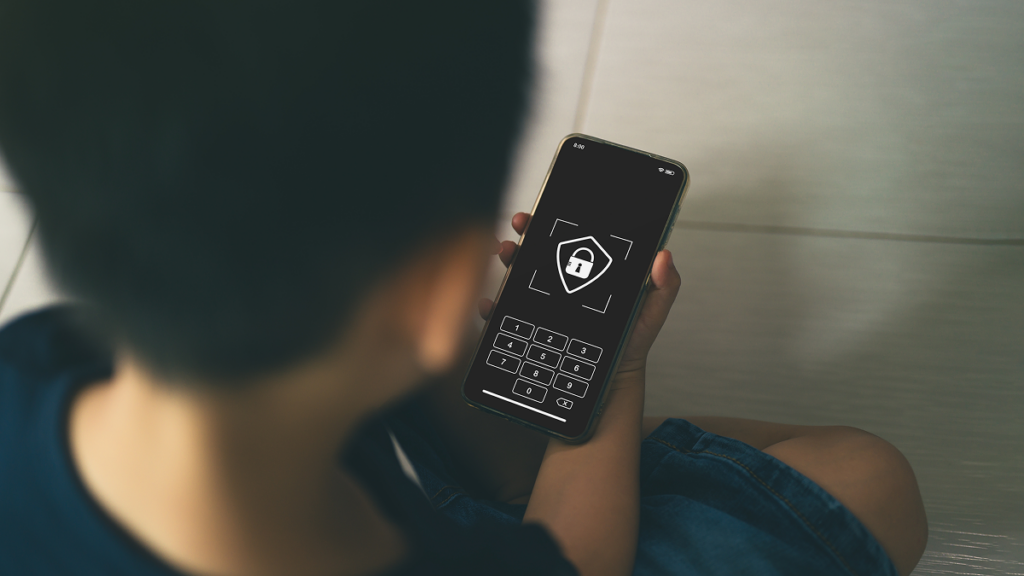
The keys to a child's digital life could soon sit with parents rather than platforms. Credit: Ohayo style / Shutterstock
Losing Instagram might be the least of it. A leaked Brussels blueprint would put a child’s access to ChatGPT, YouTube and even downloading a new video game behind age checks, with parents responsible for switching much of it on themselves.
Why this isn’t just another TikTok ban
Brussels is preparing to go far beyond blocking under-15s from Instagram and TikTok. A leaked European Commission proposal would create an EU-wide law, dubbed the EU Kids Act, covering social media, video-sharing platforms, AI chatbots and downloadable video games. The leaked document specifically names Meta’s Facebook and Instagram, TikTok, Google’s YouTube and OpenAI’s ChatGPT as services that would fall under the new age rules, according to Reuters.
Although it has been previously reported that Brussels’ is pushing to curb addictive app features for children, this is the first sign the rules could reach past social media and into general-purpose AI tools and gaming platforms as well.
What children could access at each age
The leaked draft sets out four age bands. Children under three would have no access at all to the services covered by the act.
Those aged three to 12 could use only child-friendly services, and only under full parental control. Children aged 13 and 14 could be given limited, introductory social media and video-platform accounts, but only if a parent opened them, with restricted contacts and strict time limits attached.
From 15, teenagers could open and manage their own accounts independently, though platforms would still have to meet the act’s wider safety rules. Social media and video platforms would have to verify a user’s age when an account is opened, while gaming platforms would need to check age before allowing a game to be downloaded at all.
Why parents in Spain could become their children’s digital gatekeepers
For families in Spain, the practical effect would fall largely on parents rather than platforms. A 13-year-old wanting a YouTube account, for example, would need a parent to open it on their behalf and accept the restrictions attached to it, rather than simply ticking an age box themselves.
Companies would also be required to avoid addictive designs and harmful content feeds, offer working parental control tools, and help fund the regulatory supervision of the new rules through a supervisory fee.
How this differs from Spain’s own under-16 plan
Spain has already been pushing in this direction on its own. Prime Minister Pedro Sánchez has proposed stopping children under 16 from accessing social media nationally, a higher bar than the EU proposal’s default threshold of 15.
The difference is scope as much as age. Spain’s plan is framed mainly around social media platforms, while the leaked EU proposal would apply a single framework across social media, video platforms, gaming and AI chatbots.
France, meanwhile, has already legislated to remove under-15s from social media entirely, with new accounts blocked since September 1 and existing ones due to be removed from January 1, 2027. Any eventual EU law would still have to sit alongside, rather than automatically replace, national rules including France’s and Spain’s own.
Nothing changes immediately
None of this takes effect yet. The Commission has not formally presented the final text, and the leaked details could still change before it does.
Once presented, the proposal would need to be negotiated with the European Parliament and EU member states, a process that could take months. Disagreement over the age threshold is already evident: the Commission’s own expert panel recommended under-13 in July, while France has gone with 15 nationally and Spain has pushed for 16.
Parents in Spain do not need to change anything about their children’s accounts today. But the restrictions are clearly heading towards an EU-wide, age-banded internet for children that reaches well past the apps most people were expecting.
Follow Euro Weekly News on Google News
Get breaking news from Spain, travel updates, and expat stories directly on your Google News feed.
Follow on Google NewsSign up for personalised news
Subscribe to our Euro Weekly News alerts to get the latest stories into your inbox!
By signing up, you will create a Euro Weekly News account if you don't already have one. Review our Privacy Policy for more information about our privacy practices.





Harry Dennis
Born in the UK and raised on the Cádiz coast, Harry brings his background in design, music, and photography to his writing for Euro Weekly News, sharing stories that celebrate culture and lifestyle across Spain and beyond.
Comments