Giant rats invade Málaga’s beachfront as alarmed residents say ‘they’re entering our homes’
By Harry Dennis • Published: 19 Sep 2026 • 17:33 • 2 minutes read
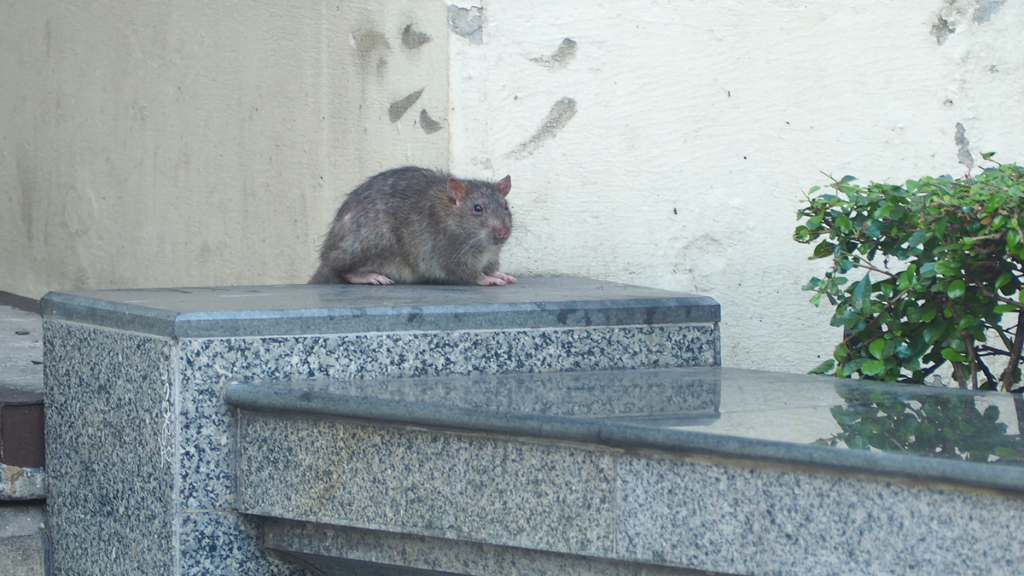
Rats are becoming an increasingly common sight in Spanish coastal towns. Credit: merinsda / Shutterstock
Diners on Pedregalejo’s seafront terraces have started worrying more about what could be weaving underneath the tables rather than what to order, after residents counted 20 rats scurrying under boats and beach bars in a single evening. Málaga’s town hall insists its rodent-control contract is working, but this is the second September running locals have said otherwise.
Residents count 20 rats along the beach in a single evening
Pedregalejo, the fishing-village-turned-favourite among Málaga’s coastal neighbourhoods, has spent this September watching for rats rather than sunsets. Residents told El Debate they counted at least 20 rodents along the beach in a single evening, tunnelling under moored boats and through the sand near the promenade’s restaurant terraces.
Ángel Maese, who has lived in the area for several years, said the problem is getting worse every year. María Ángeles Vázquez, another resident, described the animals as unusually large, adding that neighbours do not know if they bite.
The neighbourhood is one of the Costa del Sol’s most popular spots for British residents and holidaymakers, drawn to its chiringuitos beach bars serving grilled sardines on the sand just metres from where the rats have been spotted.
‘They’re entering our houses,’ residents tell local radio
The complaints link to an earlier warning, as days before residents interviewed by COPE Málaga said rodents were no longer confined to the seafront, with one describing “more rats than ever” and reporting that they were now entering people’s houses as well as bins and terraces.
Neighbours point to warm weather extending later into the year as a reason why this latest rat-race is continuing, plus, food being left out by beachfront restaurants and burrows dug into the sand beneath the wooden boat shelters that line Pedregalejo’s shore.
A €904,000 contract that the council says is working
Málaga’s Ayuntamiento (town hall) said it had deployed extra traps and stepped up extermination work in response to the latest complaints. Since July 2025, the city’s rodent and pest control has been run by Lokimica under a three-year contract worth €904,035.
The council says the contract has cut complaints by half compared with the first half of 2025, when it logged 2,451 pest reports, an average of three a day, and describes the current situation as “under control.” Outside emergency callouts, the standing programme runs three rat treatments a year across public areas citywide, plus monthly checks in around 20 higher-risk zones including beaches, parks and commercial streets. Residents can report a pest problem directly to the town hall’s environmental department.
The same neighbourhood, the same complaint, two years apart
This is not the first time Pedregalejo has topped the city’s rat complaints. In September 2024, the council tripled its annual pest-control budget from €142,000 to €400,000 after its previous contractor went bankrupt, naming Pedregalejo alongside Carranque, Huelin, Churriana, El Perchel and the historic centre as one of the worst-affected districts.
Environment councillor Penélope Gómez announced the increase at the time, while opposition councillors, including the PSOE’s Begoña Medina and Vox’s Yolanda Gómez, pushed for faster action, and Con Málaga’s Nicolás Sguiglia criticised the decision to outsource the service at all. Officials also pointed to rising temperatures extending rodents’ breeding season, a pattern also reported across the rest of southern Europe.
Two years and a bigger budget later, Pedregalejo’s rats are back in the headlines. It follows a summer in which Málaga’s beaches were also linked to sewage-related closures and the city’s historic palm trees battled a separate infestation of red palm weevil, adding rats to a run of environmental headaches for the coast in 2026.
Follow Euro Weekly News on Google News
Get breaking news from Spain, travel updates, and expat stories directly on your Google News feed.
Follow on Google NewsSign up for personalised news
Subscribe to our Euro Weekly News alerts to get the latest stories into your inbox!
By signing up, you will create a Euro Weekly News account if you don't already have one. Review our Privacy Policy for more information about our privacy practices.





Harry Dennis
Born in the UK and raised on the Cádiz coast, Harry brings his background in design, music, and photography to his writing for Euro Weekly News, sharing stories that celebrate culture and lifestyle across Spain and beyond.
Comments