OCU puts anti-wrinkle creams to the test – and the results aren’t pretty
By Molly Grace • Published: 20 Sep 2026 • 23:40 • 3 minutes read
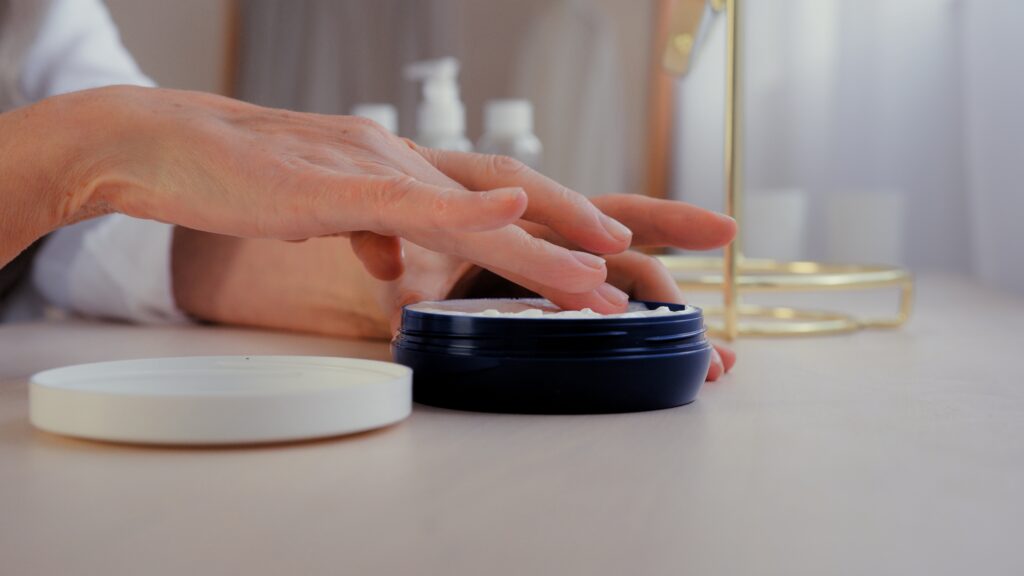
Most of the creams reduced wrinkle depth by between 10 and 20 per cent. Photo credit: MAYA LAB/Shutterstock
If you’ve ever stood in front of a shelf full of anti-wrinkle creams wondering whether the €5 one could possibly do the same job as the €50 one, you might want to hold onto your money. A new test by Spain’s consumer watchdog OCU found that most of the 13 creams it examined reduced wrinkle depth by just 10 to 20 per cent, while the price difference between some products was enormous.
That doesn’t mean the creams did nothing, the results were much better when it came to hydration, with the products generally leaving skin feeling softer, more elastic and moisturised. But when it came to actually reducing wrinkles, the results were far less impressive.
OCU puts 13 anti-wrinkle creams to the test
OCU tested 13 anti-wrinkle creams available in supermarkets, pharmacies and perfumeries in Spain, with prices of up to €60 per container. The products were put through laboratory testing alongside a month-long user trial. Thirty women aged between 40 and 65 took part. All had mild or moderate crow’s feet, and the creams were used for 28 days under the supervision of a dermatologist.
Each participant applied the cream being tested to one half of her face and a placebo cream to the other. Researchers then measured changes in the depth of the wrinkles using specialist equipment designed to create three-dimensional images of the skin’s surface. The results were fairly modest. Most of the creams reduced wrinkle depth by between 10 and 20 per cent (not much at all)! Only two products went beyond the 20 per cent mark.
The €51 cream versus the €3.99 cream
One of those two was Filorga Creme Time Filler, which reduced wrinkle depth by 20.5 per cent. It was also the most expensive cream in the test, costing an average of €51 for 50ml. The other was Cien Q10 Intense FPS 15, sold by Lidl, which reduced wrinkle depth by 20.3 per cent.
Its price? Just €3.99 for 50ml. That means the Filorga cream cost around 13 times as much as the Cien product, despite the two achieving almost identical results in OCU’s wrinkle test. Neither was considered “very good” for reducing wrinkles, with OCU describing the anti-wrinkle effectiveness of the two as good.
The creams were better at hydration
The more positive results came when OCU looked at hydration. The women taking part in the test generally reported that the creams felt pleasant to use, absorbed well and left their skin feeling softer, more elastic and hydrated. Laboratory measurements also confirmed good hydration results, although there were differences between the products.
OCU’s overall conclusion was that these creams hydrate more than they smooth. That is an important distinction when shopping for anti-ageing products. A well-hydrated complexion can feel softer and look smoother, but that does not necessarily mean the product has significantly reduced the depth of existing wrinkles.
What was actually inside the creams?
OCU also looked at the ingredients and labelling of the products, which included familiar names from the anti-ageing world such as retinol, vitamins C and E, vitamin B3, Q10, hyaluronic acid and various acids.
It also found recognised allergenic fragrances in several of the creams. Xhekpon contained up to eight different allergenic fragrances, while Weleda had five. Cien and Cosmia had three each, and Nivea and Deliplus had one each. That is particularly worth checking for anyone with sensitive skin.
So what actually helps?
OCU points to some considerably less glamorous ways of looking after your skin, including reducing exposure to ultraviolet radiation and using sun protection. It also recommends avoiding smoking, eating a balanced diet, getting enough physical activity and maintaining good sleep habits. Regularly moisturising the skin is another simple measure it recommends.
For anyone tempted by an expensive jar promising visibly younger skin, the OCU results offer a useful reality check. The most expensive cream in the test did reduce wrinkles, but only marginally more than a €3.99 Lidl alternative. And across the 13 products tested, the bigger benefit was hydration rather than a dramatic reduction in wrinkles.
Follow Euro Weekly News on Google News
Get breaking news from Spain, travel updates, and expat stories directly on your Google News feed.
Follow on Google NewsSign up for personalised news
Subscribe to our Euro Weekly News alerts to get the latest stories into your inbox!
By signing up, you will create a Euro Weekly News account if you don't already have one. Review our Privacy Policy for more information about our privacy practices.





Molly Grace
Molly is a British journalist and author who has lived in Spain for over 25 years. With a background in animal welfare, equestrian science, and veterinary nursing, she brings curiosity, humour, and a sharp investigative eye to her work. At Euro Weekly News, Molly explores the intersections of nature, culture, and community - drawing on her deep local knowledge and passion for stories that reflect life in Spain from the ground up.
Comments