Tourists driving to Menorca could soon need a permit and pay to bring their car
By Harry Dennis • Published: 23 Sep 2026 • 21:35 • 2 minutes read
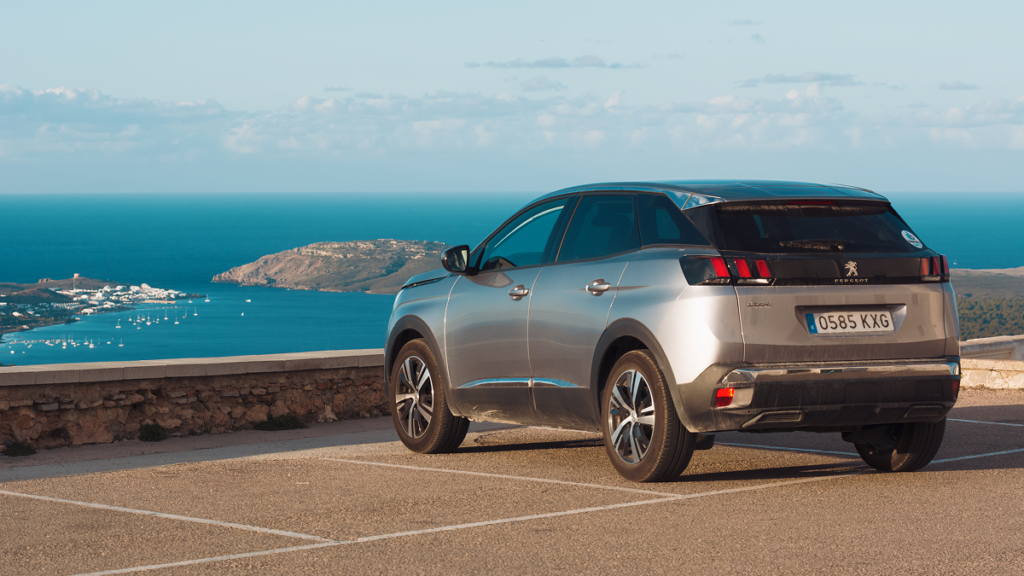
Bringing a car to Menorca could soon come with a permit and a price tag. Credit: vivooo / Shutterstock
Drivers who’d normally just roll off the ferry and head for the beach could soon be filling in an online form and paying a fee first. Menorca’s parliament has taken the first step towards a permit system for tourist cars, with the real limits still to be decided.
The Consell de Menorca could set a summer cap on cars
The Balearic Parliament gave its first approval on Tuesday September 22 to a change in the law that protects Menorca as a UNESCO Biosphere Reserve. That change would let the Consell de Menorca, the island’s governing council, set a limit on how many vehicles can be on the island each summer and control when they’re allowed to arrive.
Gone would be the days of simply turning up and driving off the ferry. The Parliament backed sending the proposal forward for full processing, with 46 of the 56 deputies present voting in favour. Vox abstained, calling it excessive bureaucracy, and Més per Menorca, despite supporting the goal, voted against because they wanted it fast-tracked instead.
A capacity study handed to lawmakers alongside the bill put a recommended ceiling of 120,000 vehicles on the island each summer, split into 86,023 for residents and just 33,977 left over for visitors and businesses. However, that figure isn’t locked in yet. The actual cap will be decided each year, or every two years, by the Consell, based on its own studies into how much traffic Menorca’s roads can realistically take on.
Second-home owners kept to one car, and most tourists need a good reason
For British and other foreign owners of a second home on Menorca, the rules are already quite clear. The island allows one vehicle per property and no more. People with reduced mobility, and anyone with a genuine professional reason to bring a car, would also be exempt.
So would residents’ own vehicles, emergency services, public transport, taxis, commercial delivery vans and agricultural or industrial machinery. Everyone else, in short, ordinary holidaymakers who prefer bringing their own car over on the ferry, would be counted against the new summer quota.
Formentera already shows what this could look like
Menorca wouldn’t be the first Balearic island to try this. Formentera has run its own vehicle permit system since 2025, and this summer its daily quota of 1,732 cars and 122 motorbikes sold out during peak weeks. Anyone wanting to bring a car has to apply through formentera.eco and pay a daily fee, up to €9 a day for a car in July and August, with fines of between €1,000 and €10,000 for driving without one. Rental cars picked up on Ibiza or elsewhere aren’t allowed in at all.
Mallorca passed a similar law of its own in June, and it’s still working its way through parliament there too. So this is quickly becoming standard practice across the Balearics rather than just on one of its busiest islands.
The system won’t be ready before summer 2027
Menorca’s version has a long way to go yet. The council wants its full council session, the plenary, to approve the detail before the end of this year, with cameras already being agreed with the port authority for installation at Maó. However, officials are targeting summer 2027 for the scheme to actually start, not next year’s season.
So anyone planning to bring their own car to Menorca can go ahead as normal for now. It’s next summer when travellers must start to pay attention, and with Formentera’s permits already selling out and Mallorca close behind, it’s worth checking what Menorca decides before booking the ferry.
Follow Euro Weekly News on Google News
Get breaking news from Spain, travel updates, and expat stories directly on your Google News feed.
Follow on Google NewsSign up for personalised news
Subscribe to our Euro Weekly News alerts to get the latest stories into your inbox!
By signing up, you will create a Euro Weekly News account if you don't already have one. Review our Privacy Policy for more information about our privacy practices.




Harry Dennis
Born in the UK and raised on the Cádiz coast, Harry brings his background in design, music, and photography to his writing for Euro Weekly News, sharing stories that celebrate culture and lifestyle across Spain and beyond.
Comments