Bitcoin price: Why Is crypto rising again?
By Nicola EWN • Updated: 28 Sep 2026 • 11:25 • 3 minutes read
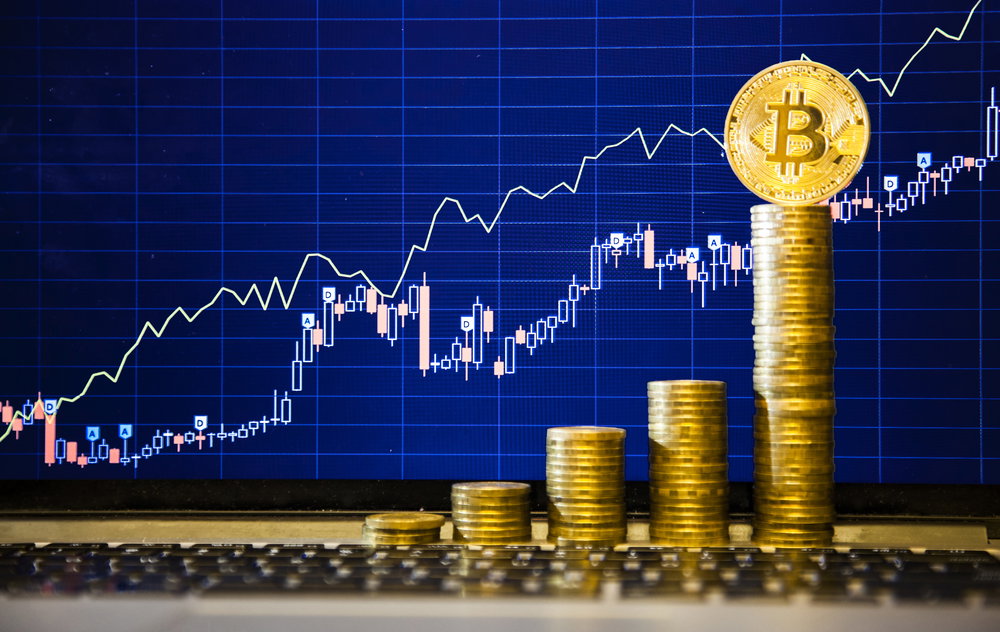
Image: Tom Stepanov/Shutterstock.com
Bitcoin is making headlines again, and this time the interest is spreading well beyond dedicated crypto investors.
The latest rally has caught the attention of mainstream financial institutions, professional asset managers, and ordinary people whose money usually sits in shares, property, or even casual betting
So what is driving prices up, and does this represent the start of another sustained boom? The honest answer is that Bitcoin rallies rarely have a single cause. They tend to happen when several positive factors arrive at the same time, and that is exactly what appears to be happening now.
Institutional money is flowing in
The crypto market of 2026 looks very different from the one that existed five years ago. Bitcoin is no longer the preserve of technology enthusiasts and early adopters. It is now accessible through regulated exchange-traded funds, or ETFs, which allow investors to gain exposure to Bitcoin without ever needing to manage a digital wallet or deal directly with a crypto exchange.
When money flows into these ETFs, the funds are generally required to buy more Bitcoin to back the investment. That creates genuine buying pressure rather than speculative noise. Major companies, professional asset managers, and high-net-worth individuals increasingly treat Bitcoin as an alternative asset worth holding alongside traditional investments, not as a replacement for them, but as a potential hedge against inflation and currency debasement.
Across Europe, institutional adoption has accelerated significantly since 2024, with established financial firms allocating meaningful resources to cryptocurrency for the first time.
Interest rates still shape the picture
Bitcoin operates outside the traditional banking system, but central bank policy still influences its price more than many people expect.
When interest rates are high, safe government bonds offer attractive returns, and investors have less incentive to take on risk elsewhere. When rate expectations shift downward, money tends to move toward higher-risk, higher-reward assets. Bitcoin benefits from exactly that dynamic.
Right now, uncertainty surrounds both US Federal Reserve policy and European Central Bank decisions. Investors on both sides of the Atlantic are watching closely, and that uncertainty is creating the kind of volatility Bitcoin is known for, with sharp moves up and down as sentiment shifts.
A weaker US dollar also tends to help Bitcoin, since prices are denominated in dollars and a softer currency draws more international buyers into the market.
Supply stays fixed while demand grows
Bitcoin has a hard cap of 21 million coins. New coins enter circulation through mining, but the rate at which that happens declines over time by design. This fixed supply is central to Bitcoin’s appeal as an asset.
When demand increases and the supply of new coins remains constrained, prices can move sharply. Long-term holders tend to take their Bitcoin out of active circulation, removing further supply from the market. A relatively modest increase in demand can therefore have an outsized effect on price when few existing owners are willing to sell.
That dynamic does not guarantee sustained growth. It simply means the market can respond quickly in either direction.
Psychology plays its own role
Market confidence is self-reinforcing in crypto perhaps more than in any other asset class. Rising prices attract media coverage. Coverage attracts new buyers. New buyers push prices higher, which attracts more coverage. The cycle feeds itself.
The fear of missing out is real across all forms of financial activity, from stock markets to casual betting, and crypto is no exception. Investors who ignored Bitcoin at lower price points often rush in once a rally is underway.
The same mechanism can reverse just as quickly. If confidence evaporates, the selling can be rapid and significant. Bitcoin can still show large daily swings even during an overall uptrend, and anyone watching the price closely should expect that.
What this means for ordinary investors
Greater institutional acceptance does not make Bitcoin a safe investment. It does not generate income, pay dividends, or have an underlying earnings stream. Its price is determined almost entirely by what buyers are prepared to pay at any given moment.
Regulatory changes, security failures, economic shocks, and shifts in sentiment can all cause significant losses. Anyone considering exposure should start by understanding their own risk tolerance, use a regulated and reliable platform, and treat only money they can genuinely afford to lose as available for investment.
Bitcoin’s rally may continue if demand holds and financial conditions improve. It may also pause or reverse sharply with little warning. Crypto is now more connected to the wider economy than it once was, but it retains the volatility that has always defined it.
For European investors in particular, it is worth checking how cryptocurrency investments are regulated in your country, since rules vary across EU member states and are continuing to evolve.
This article is for informational purposes only and does not constitute financial or investment advice. Cryptocurrency investments carry significant risk of loss, including the possibility of losing your entire investment. Always seek independent financial advice before investing.
18+ only. Please gamble responsibly. jugarbien.es
Follow Euro Weekly News on Google News
Get breaking news from Spain, travel updates, and expat stories directly on your Google News feed.
Follow on Google NewsSign up for personalised news
Subscribe to our Euro Weekly News alerts to get the latest stories into your inbox!
By signing up, you will create a Euro Weekly News account if you don't already have one. Review our Privacy Policy for more information about our privacy practices.





Nicola EWN
Nicola is a writer and strategist working across culture, media, and digital editorial. With broad industry experience, she helps brands and publications shape compelling narratives and engaging online content.
Comments