Pet owners in Spain urged to keep emergency card in wallet in case of an accident
By Molly Grace • Published: 30 Sep 2026 • 17:55 • 3 minutes read
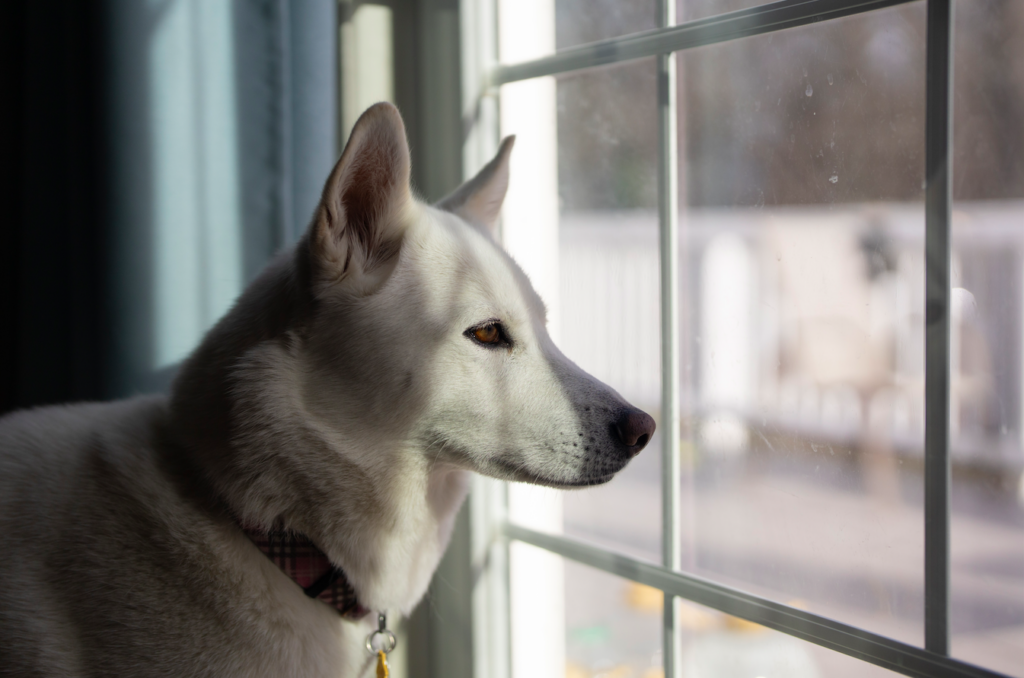
The card could make a considerable difference during an emergency. Photo credit: Volodymyr TVERDOKHLIB/Shutterstock
If you live alone with a dog, cat or another animal, there is one frightening question you may never have considered: what happens to them if you are suddenly taken to hospital and nobody knows they are waiting at home? A simple card kept inside your wallet or purse could make sure they are not forgotten.
Pet owners are being urged to carry an emergency card stating that they have an animal at home, together with the information someone would need to make sure it is looked after if its owner is unable to return. The idea is particularly important for people who live alone with their pets. If an accident leaves you unconscious, you are taken away by ambulance or you are unexpectedly admitted to hospital, the people treating you may have no reason to know that a dog, cat or other animal is sitting behind your front door waiting for you.
The small card with a very important job
The emergency card is designed to fit into a wallet alongside your bank cards or driving licence. It should clearly state that there is an unattended animal at home and provide enough information for someone to arrange immediate care. At a minimum, owners should include their name and address, the type of animal they have and the name of the pet. A trusted emergency contact who can get into the property and take responsibility for the animal should also be listed. For animals with additional needs, the card can contain information that could be vital if somebody else suddenly has to take over their care.
That could include medication, allergies, ongoing medical conditions, mobility problems, dietary requirements and the name and contact details of a friend or the animal’s veterinary practice. The aim is to give someone enough information to act quickly if needed. Spanish pet organisations have already promoted wallet-sized versions of this type of card. Wamiz España and Purina, for example, provide a downloadable emergency card specifically designed to be carried in a wallet and used if the owner suffers an accident or needs emergency hospital treatment.
What happens if nobody knows about your pet?
It is easy to assume that someone will eventually realise there is an animal at home. That may not happen. A person living alone could be taken from work, the street or their car without being able to tell anyone where they live or that they have animals. If they are unconscious or seriously injured, even their mobile phone may be inaccessible. Meanwhile, the animal could be waiting at home without food, water or medication.
This is especially worrying for pets that rely on medication at particular times of the day. A dog with a heart condition, a cat receiving regular treatment or an older animal with health problems could become seriously unwell if nobody reaches them. An emergency card does not need to contain a huge amount of information. A clear message such as “I have a pet alone at home”, followed by the owner’s address and emergency contact details and medication the animal needs, may be enough to alert somebody to the problem.
Keep the information easy to find
The card needs to be somewhere emergency personnel are likely to find it. A wallet or purse is useful because it is normally carried with the owner and can be checked for identification and emergency information. Owners can also make the same information available elsewhere, such as through an emergency contact on their phone, a note attached to their keys or information left somewhere accessible at home. The important thing is that the details are kept up to date. If the emergency contact moves, changes their telephone number or can no longer look after the animal, the card should be replaced.
Owners should also make sure the person listed actually knows they have been nominated and has access to the animal if necessary. For something that takes only a few minutes to prepare, the card could make a considerable difference during an emergency. You may not be able to tell anyone about the animal waiting at home, so make sure the information can speak for you.
Follow Euro Weekly News on Google News
Get breaking news from Spain, travel updates, and expat stories directly on your Google News feed.
Follow on Google NewsSign up for personalised news
Subscribe to our Euro Weekly News alerts to get the latest stories into your inbox!
By signing up, you will create a Euro Weekly News account if you don't already have one. Review our Privacy Policy for more information about our privacy practices.

Molly Grace
Molly is a British journalist and author who has lived in Spain for over 25 years. With a background in animal welfare, equestrian science, and veterinary nursing, she brings curiosity, humour, and a sharp investigative eye to her work. At Euro Weekly News, Molly explores the intersections of nature, culture, and community - drawing on her deep local knowledge and passion for stories that reflect life in Spain from the ground up.
Comments