Altea unveils new rules for animal emergencies, lost pets and dangerous dogs
By Lottie Verrier • Updated: 14 Sep 2026 • 13:54 • 3 minutes read
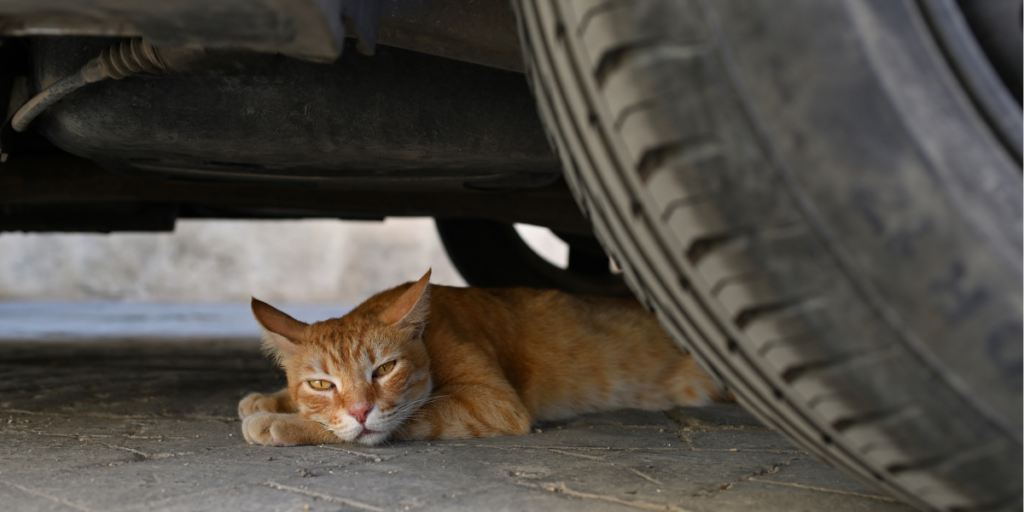
What to do if you find a lost or injired animal Credit: Shutterstock/Maryna Postryhan
Finding an injured animal can be stressful, particularly when you are not sure who is responsible for helping it.
Altea has now set out exactly what residents should do, with three new animal welfare protocols covering found animals, the recovery of pets taken into municipal care and potentially dangerous animals.
The detailed guidance aims to ensure animals are dealt with according to their species and condition, rather than sending every case through the same process.
Found a lost or injured animal?
For dogs, cats, ferrets and other companion animals that are lost, abandoned, injured, involved in an accident or found dead, residents should contact Altea Local Police on 96 584 55 11.
A municipal collection service operates 24 hours a day, with animals taken to the agreed animal protection centre.
There is a different procedure for sick community cats. Residents should contact an authorised colony manager, known as a PGEC, who can arrange for the cat to be taken to a collaborating veterinary clinic.
For horses, goats, sheep, chickens and other farm, production or captive animals, the contact is Altea’s Department of Health and Animal Welfare on 966 88 27 02 or benestaranimal@altea.es. The municipal collection service also operates around the clock for these cases.
People finding injured or endangered wildlife, including birds, hedgehogs, foxes and bats, should contact the Santa Faz Wildlife Recovery Centre on 965 93 80 85.
And if a dolphin, turtle, shark or other marine animal is stranded, the protocol says to call 112.
Getting your pet back
The second protocol sets out a detailed procedure for owners whose animals have been collected.
The first step is to go to Altea Local Police at C/ Calitx, 5, with a DNI. The owner or responsible person must request and sign an Acta de Entrega Animal, which allows them to collect the animal from the designated Animal Protection Centre during its opening hours.
For an identified pet, owners must provide its passport and proof that mandatory requirements are up to date, including rabies vaccination, annual deworming against Echinococcus and sterilisation of cats over six months.
They must also prove that the animal was reported missing to RIVIA and/or Altea Town Hall within 72 hours.
If treatments are not up to date, they can be carried out at the centre, with the owner paying the costs before taking the animal home. Alternatively, owners can sign a responsible declaration, notify the council through the official register and have 10 working days to complete the requirements.
For unidentified animals, ownership must first be demonstrated, for example through photographs or other evidence. The animal must then be microchipped, issued with a passport, registered or updated on RIVIA and given the required treatments before it can be returned.
Importantly, an unidentified animal will not be handed over without a microchip. Refusing the mandatory treatments means the animal will not be returned and can instead be processed as abandoned.
Dangerous dogs face extra checks
Owners recovering a potentially dangerous dog must also provide the relevant PPP licence and registration in Altea’s Municipal Register of Potentially Dangerous Animals.
Without the required application, the animal cannot be released. Owners who need to apply have 10 working days to complete the documentation, with failure to comply potentially leading to an economic sanction.
Animals that are sick, injured or involved in an accident are taken first to a veterinary centre. Owners must pay the relevant veterinary costs and complete the necessary legal requirements before recovery.
The protocols also warn that an animal may be considered abandoned if its disappearance has not been reported within 72 hours, it is not collected within the legal deadline, remains without attention or is left in a public place without a responsible person.
Once the relevant period has passed, Altea can issue an abandonment declaration, arrange adoption and potentially impose a financial penalty.
Animals subsequently offered for adoption will be identified, have their required treatments up to date and be sterilised, unless a medical reason prevents this.
Follow Euro Weekly News on Google News
Get breaking news from Spain, travel updates, and expat stories directly on your Google News feed.
Follow on Google NewsSign up for personalised news
Subscribe to our Euro Weekly News alerts to get the latest stories into your inbox!
By signing up, you will create a Euro Weekly News account if you don't already have one. Review our Privacy Policy for more information about our privacy practices.





Lottie Verrier
Lottie Verrier is a journalist and digital media specialist based in Mallorca. After a decade in London media, including a role as Deputy Editor for the MailOnline’s eCommerce division, she now combines her editorial expertise with a passion for the island to create engaging content that celebrates the best of life in Spain. Instagram @lottieinmallorca
Comments