Brussels takes action against Spain over failure to update blackout plan
By Molly Grace • Published: 01 Oct 2026 • 23:26 • 4 minutes read
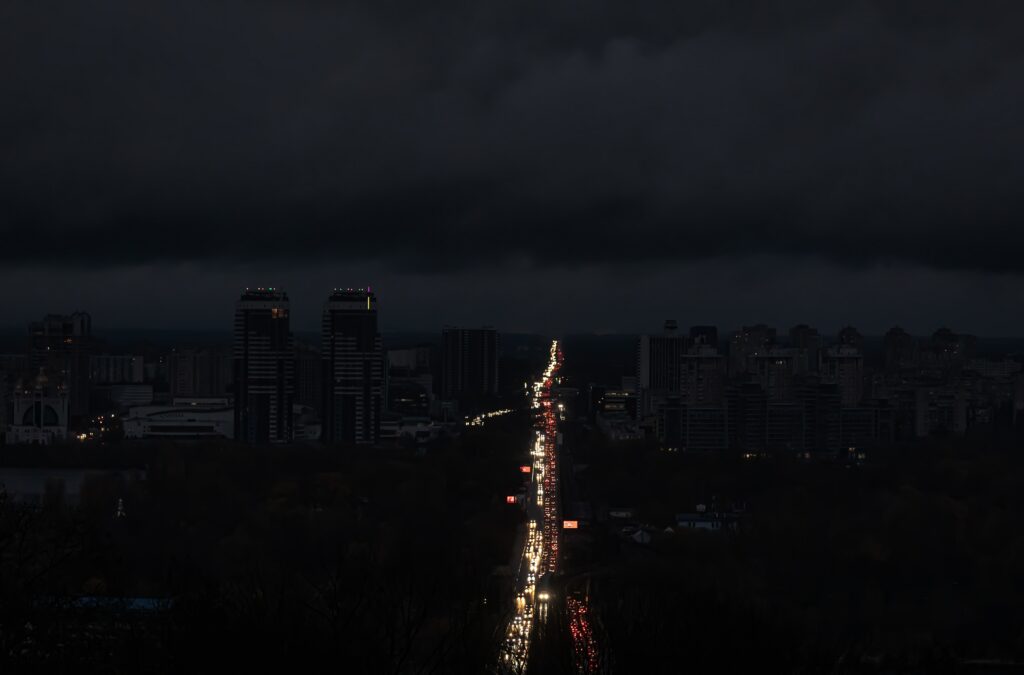
Spain now has two months to respond to Brussels' formal notice. Photo credit: Drop of Light/Shutterstock
When the lights suddenly go out, most people are not thinking about European electricity regulations. They are thinking about how long the fridge will stay cold, whether the phone still has enough battery and how they will pay for anything if the card machines stop working. After Spain’s huge blackout in April 2025, the question of how prepared the country really is for another major power failure has become much harder to ignore.
Now Brussels has opened a formal infringement procedure against Spain because the country has not notified the European Commission of its updated electricity risk-preparedness plan, despite the deadline passing in January 2026. France is facing the same action, while Belgium has received an additional formal notice. The Commission’s action does not mean Brussels has declared Spain incapable of preventing another blackout, nor does it say the missing plan caused the April 2025 outage. It concerns Spain’s failure to notify the updated plan required under EU rules.
Spain missed the January deadline
Under EU Regulation 2019/941, member states must adopt and publish an updated electricity risk-preparedness plan every four years. The latest plans were due to be notified to the European Commission by 5 January 2026. Spain had not done so by the deadline, according to the Commission, which has now sent the country a letter of formal notice. Spain has two months to respond. If Brussels decides that the response does not resolve the issue, the procedure could move to the next stage, known as a reasoned opinion.
These plans are not simply paperwork sitting in a Brussels filing cabinet. They are supposed to set out the measures a country has planned or taken to prevent, prepare for and deal with an electricity crisis. That includes situations caused by extreme weather, malicious attacks, fuel shortages and other events capable of disrupting electricity supplies. Because European electricity networks are interconnected, a serious incident in one country can also affect its neighbours.
What should Spain’s plan cover?
The purpose of the preparedness plans is to establish how countries would respond if their electricity systems came under serious pressure. They are based on national and regional crisis scenarios and are intended to help ensure that electricity can be directed where it is needed during a crisis. The plans also have to consider how countries would cooperate with one another when an emergency crosses national borders.
That cross-border element is particularly relevant to Spain. The Iberian Peninsula’s electricity system is connected to the wider European network through interconnections with France, while Spain and Portugal operate closely linked electricity systems. The European Commission itself has been reviewing the EU’s electricity security rules in light of recent crises. In January 2026, it said the review had taken lessons from the April 2025 blackout across the Iberian Peninsula, alongside other energy-security problems, and identified the need for a stronger approach to future risks.
The blackout that left millions without power
The timing is likely to make the latest Brussels action particularly significant for people in Spain. On 28 April 2025, a massive power failure swept across Spain and Portugal, leaving millions without electricity. Trains stopped, traffic lights went out, businesses were unable to operate normally and card payments and other services were disrupted. Last year EWN reported at the time how the blackout affected everyday life across Spain, from transport and communications to shops and petrol stations.
Spain and Portugal blackout: what really caused the chaos? The European Commission has subsequently examined the lessons from the event as part of its wider assessment of European energy-security rules. However, the current infringement procedure is not an accusation that Spain’s delayed preparedness plan caused that blackout. The two issues should not be confused. For people who experienced the outage first-hand, though, the idea of Spain being told it has not submitted its latest preparedness plan is likely to raise an obvious question: what happens if the lights go out again?
What happens now?
The infringement procedure does not immediately impose a fine or change how electricity is supplied to Spanish homes. Spain now has two months to respond to Brussels’ formal notice and address the failure to notify its updated risk-preparedness plan. If the Commission is not satisfied with the response, it can issue a reasoned opinion setting out the alleged breach in greater detail and giving Spain another opportunity to comply.
If the matter remained unresolved after that stage, the Commission could ultimately take the case to the Court of Justice of the European Union. Spain is not the only country facing action over the missing update. France has also been sent a formal notice, while Belgium had already received a letter in March 2026 over earlier failures relating to its electricity risk-preparedness plan and has now received an additional notice concerning its latest update.
For anyone living in Spain, the practical issue is simple: electricity crises can affect far more than the lights in your home. The 2025 blackout showed what happens when transport, communications, payments, businesses and essential services suddenly lose power. EWN has also reported on more recent local power cuts, including repeated outages affecting residents around Mijas and Fuengirola during the summer of 2026. Power blackouts force Las Cañadas residents onto streets Brussels is now waiting for Spain to explain why its updated national plan has not been notified, and what it intends to do about it.
Follow Euro Weekly News on Google News
Get breaking news from Spain, travel updates, and expat stories directly on your Google News feed.
Follow on Google NewsSign up for personalised news
Subscribe to our Euro Weekly News alerts to get the latest stories into your inbox!
By signing up, you will create a Euro Weekly News account if you don't already have one. Review our Privacy Policy for more information about our privacy practices.





Molly Grace
Molly is a British journalist and author who has lived in Spain for over 25 years. With a background in animal welfare, equestrian science, and veterinary nursing, she brings curiosity, humour, and a sharp investigative eye to her work. At Euro Weekly News, Molly explores the intersections of nature, culture, and community - drawing on her deep local knowledge and passion for stories that reflect life in Spain from the ground up.
Comments