Spain could let first-time buyers finance 100% of a home worth up to €250,000
By Molly Grace • Published: 01 Oct 2026 • 22:30 • 4 minutes read
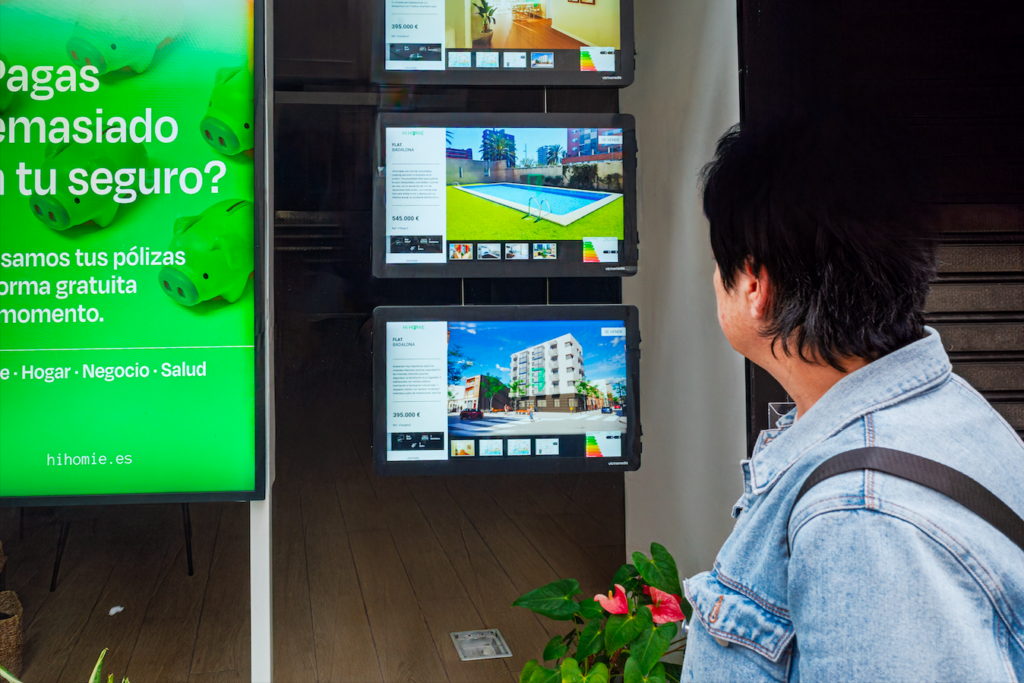
The public financing will carry zero interest and no commissions. Photo credit: Manuel Milan/Shutterstock
If you have spent years watching house prices climb while your savings account refuses to keep up, buying your first home can feel like a game you cannot even start. You may be able to afford the monthly mortgage payments, but finding tens of thousands of euros for the deposit is a very different problem.
That is the barrier Spain’s government is now trying to tackle with a new financing scheme for first-time buyers. The plan could allow some people who have managed to save little or nothing for a deposit to finance the full value of a home, with properties costing up to around €250,000 potentially falling within the numbers. But there is an important catch: the scheme has been created, while the detailed rules for who will qualify and exactly how it will operate have not yet been finalised.
A €50,000 boost for first-time buyers
The new TU CASA mechanism has been created under a Royal Decree-Law published in Spain’s Official State Gazette on September 30 and entering into force on October 1. It is designed for people buying their first habitual home with a mortgage who can afford the repayments but do not have enough savings to cover the usual deposit. Under the legislation, the public loan can cover the lower of 20 per cent of the property’s value or €50,000. It will be managed by the Instituto de Crédito Oficial (ICO) and will be provided at 0 per cent interest with no commissions.
The government describes it as complementary financing, meaning it is not intended to replace the mortgage provided by a bank. That is where the much-discussed €250,000 figure comes from. If a bank provides an 80 per cent mortgage on a €250,000 home, that would amount to €200,000. The TU CASA loan could potentially provide the remaining €50,000, bringing the combined financing to the full €250,000 purchase price. It does not, however, mean that everyone without savings will automatically be able to buy a €250,000 property with no money upfront.
The rules are not all in place yet
The Royal Decree-Law establishes the financing mechanism, but it does not contain the complete set of eligibility conditions. A subsequent Council of Ministers agreement must establish the objectives, beneficiaries, limits, characteristics and initial amount of the financing line, as well as the application procedure. That means prospective buyers should not yet assume that simply having no savings and wanting to buy a first home will be enough.
The government has said the mechanism is aimed at people who can meet the cost of a mortgage but lack the savings normally required to get through the door in the first place. The legislation also makes clear that the property purchased through TU CASA will remain subject to a maximum resale price. In other words, this is not intended to be a way of buying a subsidised property and immediately selling it at whatever price the market will bear.
The public loan does not come with a normal mortgage bill
There is another significant difference between TU CASA and an ordinary bank loan. The public financing will carry zero interest and no commissions, with a repayment period of up to ten years. However, buyers will receive a period of grace linked to the mortgage, lasting until the mortgage is paid off or for a maximum of 30 years under the mechanism established in the decree.
The exact repayment arrangements will therefore depend on the final rules governing the scheme. The government says the measure is intended to help people who are capable of paying for a home but have been blocked by the upfront capital required to obtain a mortgage.
It will not make buying a home completely free
There is another detail prospective buyers should keep firmly in mind. Financing the purchase price does not necessarily mean having no costs whatsoever when buying a property. Depending on the type of home and where it is located, buyers can still face taxes, notary costs, registration fees and other expenses connected with the purchase.
The new public loan is designed to address the financing gap for the property itself, not wipe out every expense associated with becoming a homeowner. And the bank providing the mortgage will still have its own lending criteria. A buyer will therefore need to qualify for the private mortgage as well as meeting the eventual requirements for TU CASA.
When can buyers actually apply?
The Royal Decree-Law is already in force, but the practical details of the scheme are still being developed. The government says the Council of Ministers must now establish the detailed framework, including who can benefit and the limits that will apply. There is also a political step still to come: because this is a Royal Decree-Law, it must be convalidated by Congress.
For someone struggling to build a deposit while house prices continue to sit out of reach, that means the announcement is significant, but it is not yet a green light to walk into a bank and ask for the €50,000. What it does provide is a new route for first-time buyers who can afford the monthly cost of owning a home but have been stopped by the biggest hurdle at the beginning: finding the money to get the mortgage in the first place.
Follow Euro Weekly News on Google News
Get breaking news from Spain, travel updates, and expat stories directly on your Google News feed.
Follow on Google NewsSign up for personalised news
Subscribe to our Euro Weekly News alerts to get the latest stories into your inbox!
By signing up, you will create a Euro Weekly News account if you don't already have one. Review our Privacy Policy for more information about our privacy practices.



Molly Grace
Molly is a British journalist and author who has lived in Spain for over 25 years. With a background in animal welfare, equestrian science, and veterinary nursing, she brings curiosity, humour, and a sharp investigative eye to her work. At Euro Weekly News, Molly explores the intersections of nature, culture, and community - drawing on her deep local knowledge and passion for stories that reflect life in Spain from the ground up.
Comments