HCB Hospitales advances Alzheimer’s care in Benidorm
By Penny • Published: 01 Oct 2026 • 13:30 • 1 minute read
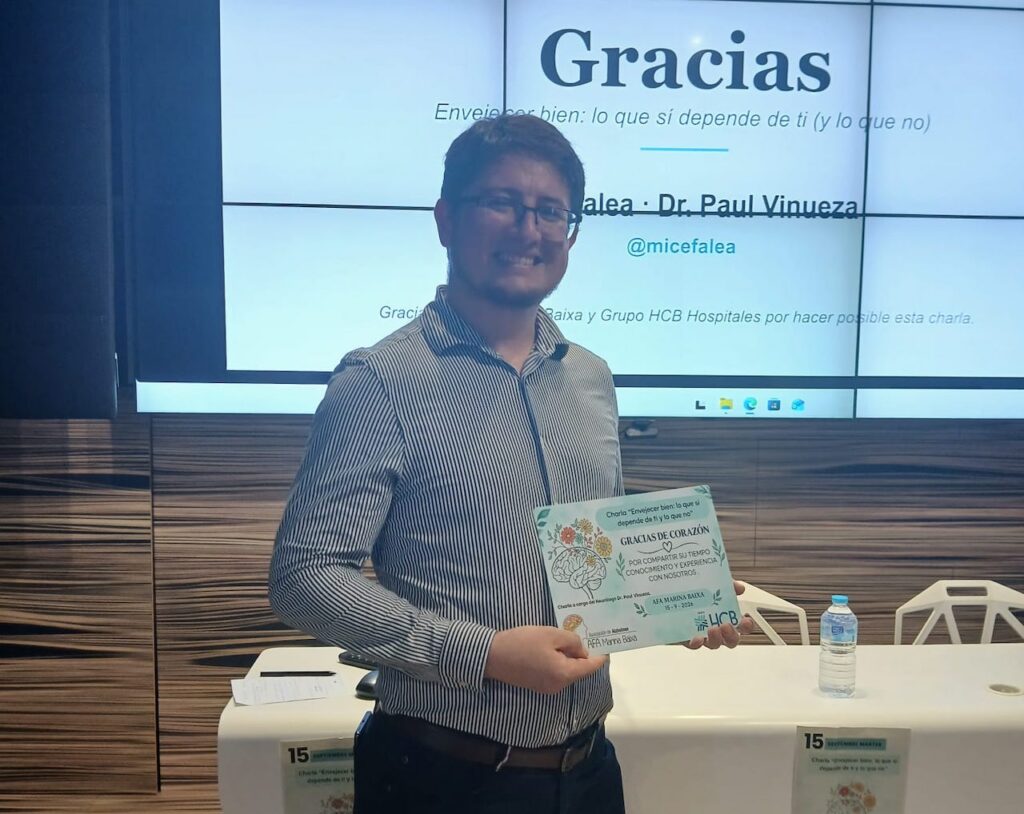
Dr. Paul Vinueza, head of the Neurology Department. Credit: HCB Hospitales
The approach to Alzheimer’s disease is experiencing a fundamental shift, moving from symptomatic management to targeting underlying biological mechanisms. HCB Hospitales in Benidorm is at the forefront of this transition, implementing cutting-edge diagnostic tools and preparing specialized clinical pathways for disease-modifying therapies.
Earlier and More Accessible Diagnosis The hospital’s Neurology Department, led by Dr Paul Vinueza and Dr José Javier Hernández, has introduced the p-tau217 blood biomarker test. This diagnostic tool measures biological changes linked to amyloid and tau pathology through a simple blood draw. Offering precision previously reserved for complex or invasive procedures, p-tau217 enables earlier detection when integrated with clinical examinations and neuropsychological evaluations. While not completely replacing imaging or spinal taps, clear results can spare patients from more invasive investigations.
Preparation for Targeted Therapies Parallel to diagnostic advancements, HCB Hospitales is developing protocols for donanemab, an innovative monoclonal antibody targeting beta-amyloid plaques in patients with early symptomatic Alzheimer’s (mild cognitive impairment or mild dementia). Unlike traditional treatments that only manage symptoms, donanemab addresses a core biological driver of the disease by clearing amyloid plaques.
While not a cure or a complete halt to progression, it represents a pivotal shift in therapeutic strategy. Administration requires rigorous patient selection, including confirmed amyloid pathology and assessment of clinical, genetic, and safety profiles.
Specialised Infrastructure and Outlook Implementing these advanced therapies requires a robust, multidisciplinary clinical infrastructure. HCB Hospitales is actively structuring specialized care pathways to ensure safe administration and comprehensive monitoring, particularly for managing risks such as Amyloid-Related Imaging Abnormalities (ARIA).
Looking ahead, Dr Vinueza anticipates that blood biomarkers like p-tau217 will become routine in clinical practice, paving the way for early detection and future combination therapies targeting tau proteins and neuroinflammation alongside amyloid. Ultimately, acting directly on disease biology redefines how Alzheimer’s is diagnosed and treated from its earliest stages.
For more information visit: www.hcbhospitales.com
Follow Euro Weekly News on Google News
Get breaking news from Spain, travel updates, and expat stories directly on your Google News feed.
Follow on Google NewsSign up for personalised news
Subscribe to our Euro Weekly News alerts to get the latest stories into your inbox!
By signing up, you will create a Euro Weekly News account if you don't already have one. Review our Privacy Policy for more information about our privacy practices.





Penny
Penny has been a writer and a key member of the editorial department at Euro Weekly News, Europe’s largest free English-language newspaper in Spain, for many years. Specialising in cultural commentary, community features, and regional lifestyle trends, Penny crafts engaging stories that matter to the expatriate community. From local events to lifestyle insights across the Costa del Sol and beyond, her work connects readers with the heartbeat of Spain.
Comments